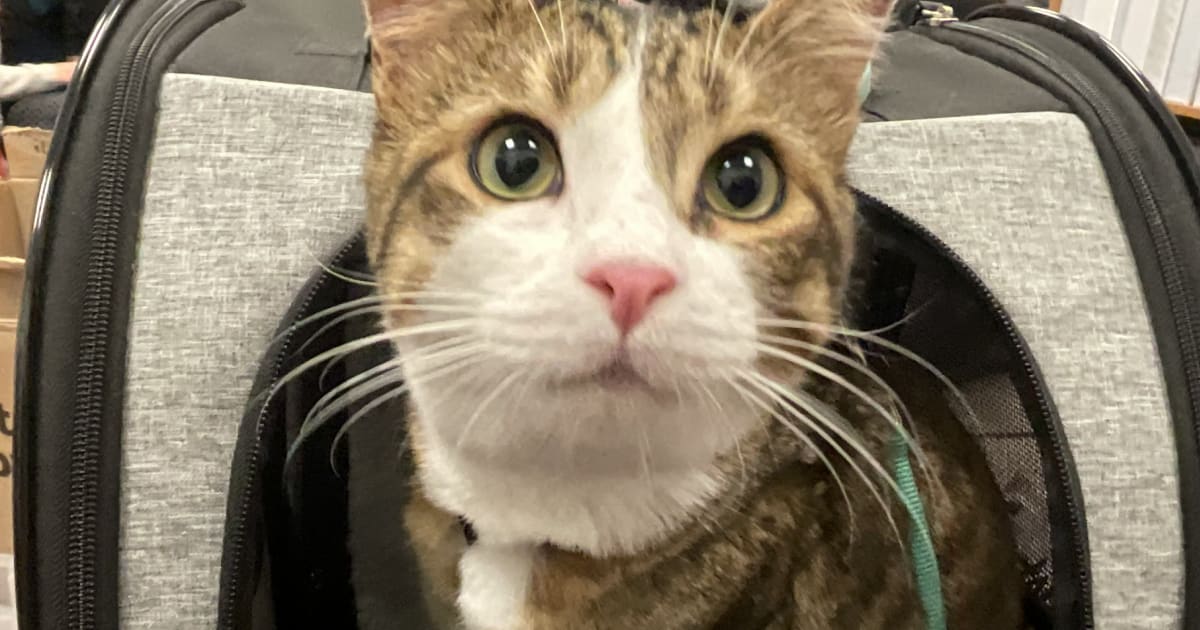
Cat Training Gets Kids With Disabilities Active
Teaching cats to sit and taking them on backpack walks helped 36 kids with developmental disabilities get more active outdoors. The six-week program at Oregon State University showed kids took on more responsibility while their cats became more confident too.
Getting kids excited about exercise can be tough, but Oregon State University researchers just found an unexpected solution: let them train their cats.
A federally funded study followed 36 children with developmental disabilities, ages 8 to 17, as they learned to train and care for their family cats over six weeks. The results surprised even the researchers.
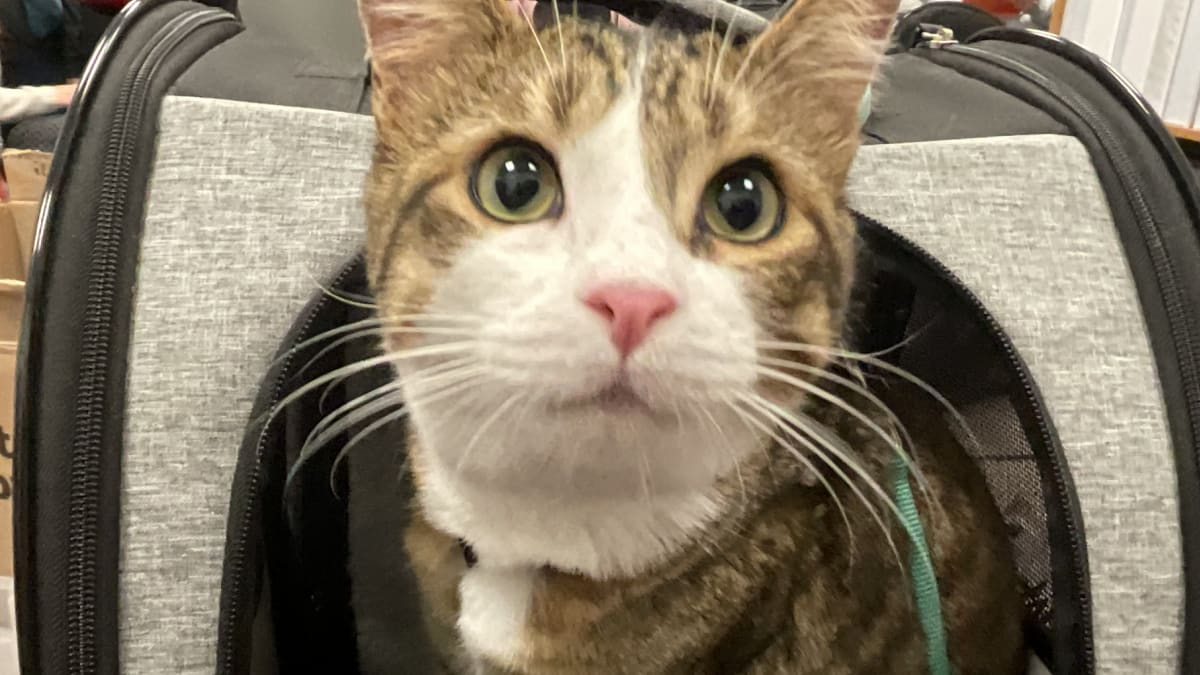
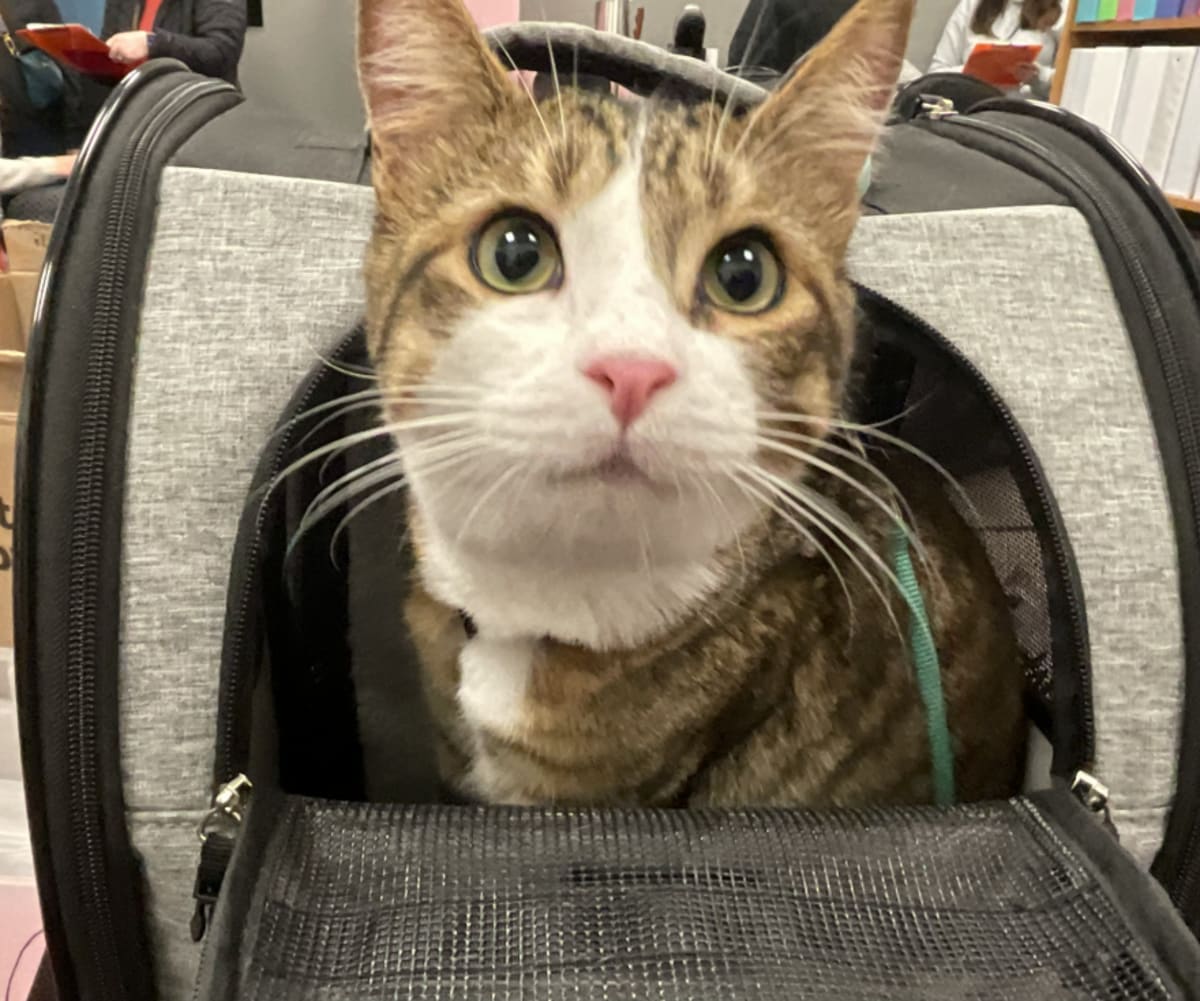
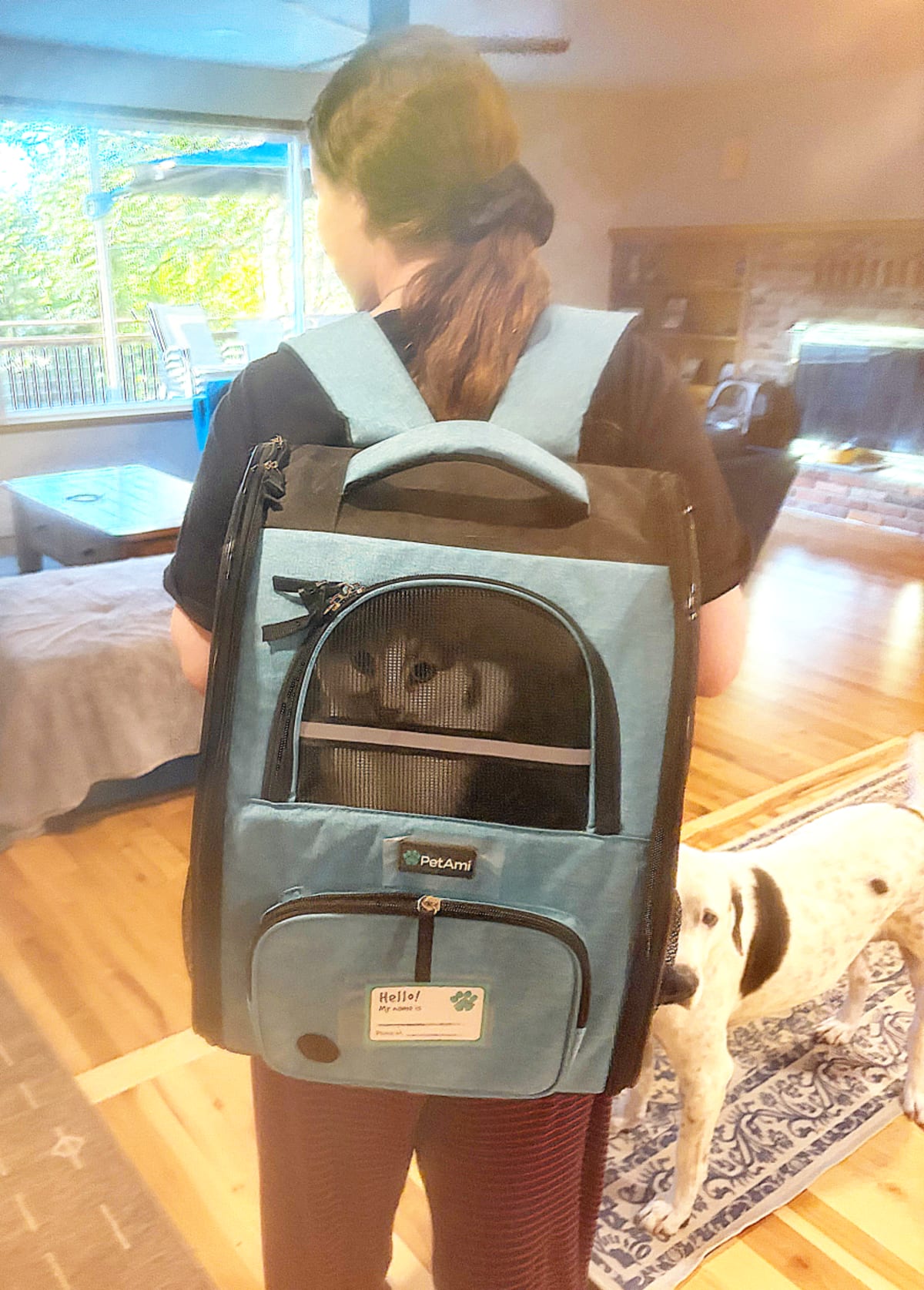
Kids attended 45-minute sessions where they taught their cats to sit and respond to their names using treats and positive reinforcement. They also completed activities at home, including taking their cats outside in secure, zippered backpacks.
The cat backpack walks made the biggest difference. Professor Megan MacDonald, who led the study, said outdoor activity among participants jumped significantly during the program.
"That's really moving the needle in terms of changing and improving physical activity behavior for children," MacDonald said. Every single child attended every session, something MacDonald credits to how much fun everyone had.
By the end of six weeks, children had taken on real responsibilities at home. They fed, groomed and played with their cats more regularly without being asked.
The Ripple Effect
The benefits didn't stop with the kids. Video observations showed the cats became more secure, confident and social after participating in the program.
MacDonald said the National Institutes of Health-funded study focused on both the children and their relationships with their pets. The researchers wanted to understand how working together could help both species thrive.
Parents noticed the changes too. Families reported that children showed more independence and initiative in caring for their pets, skills that often translated to other areas of their lives.
The study shows that creative approaches to physical activity can work when traditional exercise programs fall short. For kids who might struggle with sports or gym class, teaching a cat new tricks offers a judgement-free way to get moving and build confidence.
Finding ways to help children with developmental disabilities stay active matters more than ever, and this furry approach might just be the purr-fect solution.
More Images

Based on reporting by Google News - Researchers Find
This story was written by BrightWire based on verified news reports.
Spread the positivity!
Share this good news with someone who needs it