CATL Targets 12,000 Wh/kg Lithium-Air Battery by 2030
The world's largest battery maker is developing lithium-air batteries with the same energy density as gasoline, potentially enabling electric vehicles to travel over 1,000 miles on a single charge. This breakthrough could finally make EVs superior to gas cars in every way.
📺 Watch the full story above
Imagine an electric car that can drive from New York to Miami on one charge, costs less than a gas car, and recharges in minutes. That future just got closer.
CATL, the world's largest battery manufacturer, announced it's developing lithium-air batteries with an energy density of 12,000 watt-hours per kilogram. That's roughly the same energy storage as gasoline, according to chief scientist Wu Kai at China's 2026 Powering The Nation forum.
Current electric vehicle batteries max out around 300 watt-hours per kilogram. The new technology would store 40 times more energy in the same weight, completely transforming what's possible with electric transportation.
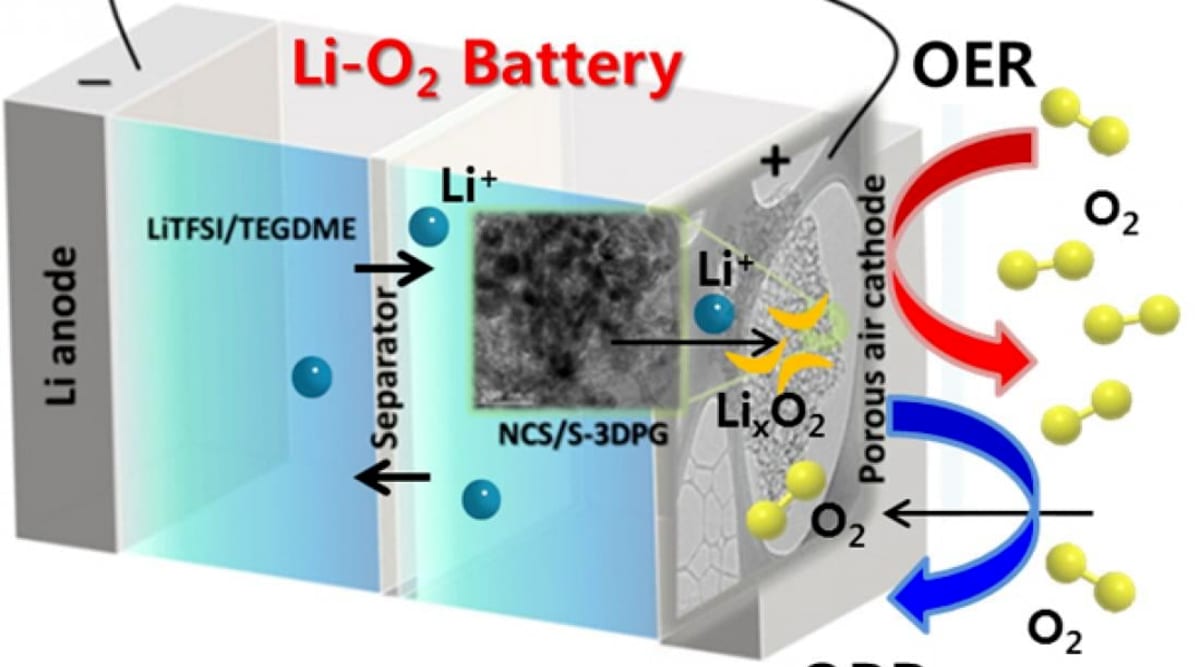
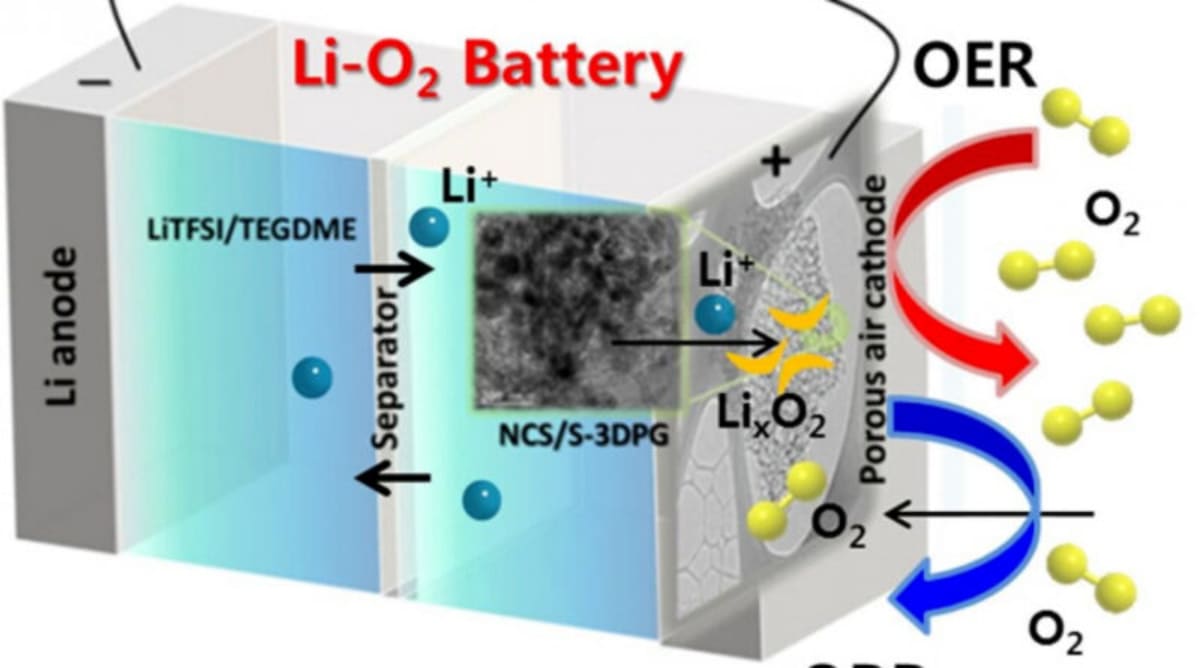
Unlike traditional lithium batteries that use heavy metals like cobalt and nickel, lithium-air batteries breathe oxygen from the air as fuel. This design cuts weight dramatically and earned them the nickname "breathable batteries."
The technology isn't just theoretical anymore. Researchers at the University of Illinois Chicago and Argonne National Laboratory demonstrated a lithium-air battery in 2024 that survived over 700 charge cycles in normal air conditions.
By 2025, they achieved 1,200 watt-hours per kilogram with a 1,000 cycle lifespan at room temperature. The breakthrough came from creating a new chemical reaction that forms and breaks down lithium oxide more efficiently.
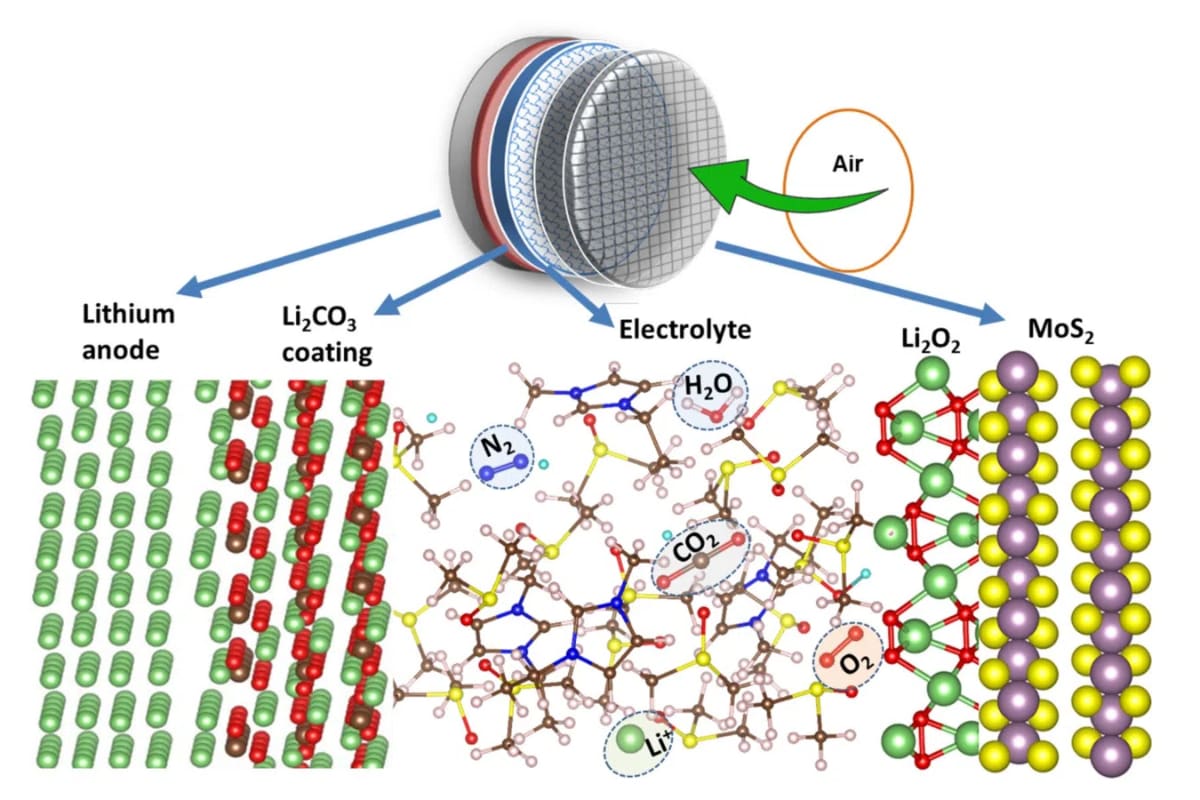
Early prototypes failed quickly because they generated compounds that limited energy efficiency. The research teams solved this by replacing flammable liquid components with solid ceramic polymer materials that stopped leaks and stabilized the batteries during high-energy use.
CATL has mapped out a clear path forward. They're focusing on proven battery technologies like sodium-ion for today's customers, solid-state batteries as a medium-term goal, and lithium-air as the long-range vision for 2030 and beyond.
The Ripple Effect
These batteries could revolutionize far more than personal transportation. Electric airplanes could finally compete with jet fuel on range and weight. Cargo ships could cross oceans without diesel. Remote communities could store weeks of solar power in compact systems.
The technology would also make electric vehicles affordable in developing nations where charging infrastructure is limited. A car that only needs charging once a month changes the equation completely for billions of people.
American researchers laid the groundwork for this breakthrough, but China's commitment to manufacturing at scale means they'll likely bring it to market first.
The race to perfect lithium-air batteries could determine which countries lead the clean energy revolution for the next century.
More Images
Based on reporting by CleanTechnica
This story was written by BrightWire based on verified news reports.
Spread the positivity!
Share this good news with someone who needs it