CDC's Hidden World Cup Mission Kept 6.5M Fans Safe
While the world watched soccer, the CDC ran a massive behind-the-scenes operation to protect millions of fans from disease outbreaks. Their success proves that the best public health work is the kind you never notice.
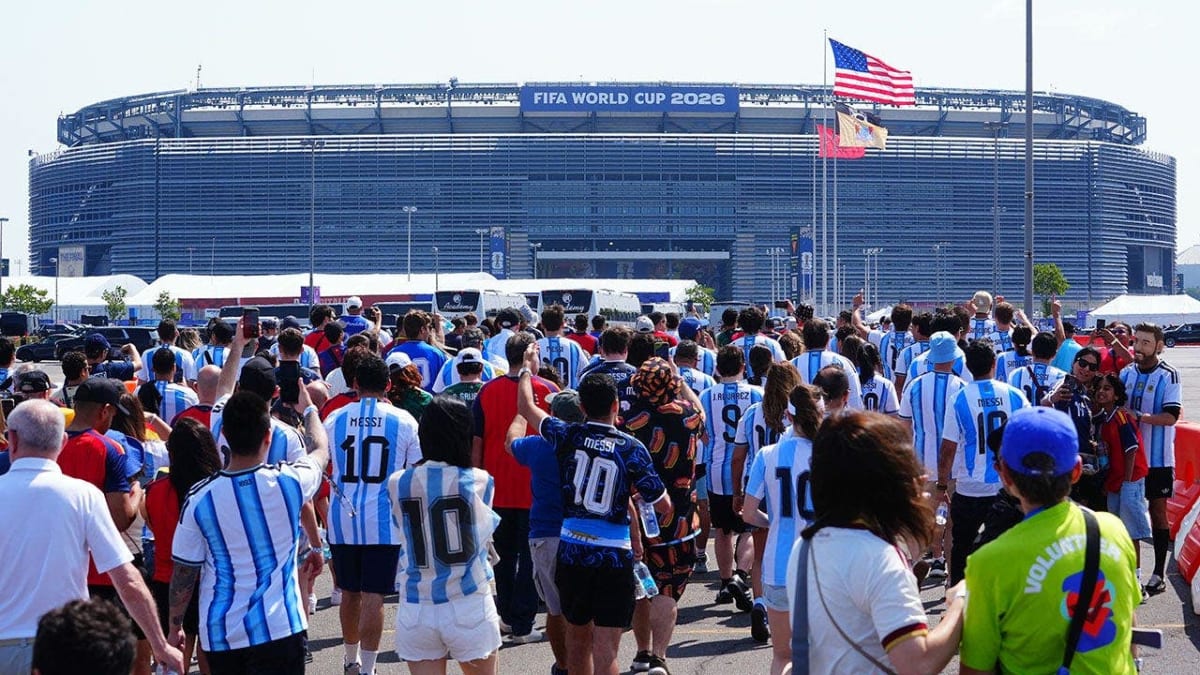
When 6.5 million fans descended on North America for the 2026 FIFA World Cup, they came for goals and glory. What they didn't see was the army of public health experts working around the clock to keep them safe from invisible threats.
The Centers for Disease Control and Prevention coordinated one of its largest peacetime operations during the 78-match tournament. Across 16 cities in the U.S., Canada, and Mexico, CDC teams tracked everything from wastewater to social media, watching for the first signs of disease outbreaks.
The timing made their job even tougher. The tournament overlapped with Independence Day celebrations, creating massive crowds just as Ebola and Hantavirus outbreaks were active internationally. With more than 5 million tickets sold and fans traveling between cities, one sick person could trigger a widespread outbreak.
The CDC deployed disease surveillance experts to host cities and set up 24-hour health monitoring at U.S. ports of entry. They created a special World Cup data dashboard that gave local health departments real-time updates as fans and teams moved across borders.
Their biggest worry was measles, which spreads easily in crowds. By mid-July, the U.S. had already confirmed 2,260 measles cases, making constant vigilance essential.
The operation required coordination across multiple federal agencies, including the Department of Health and Human Services, the White House FIFA World Cup Task Force, and U.S. Customs and Border Protection. Teams worked in shifts to ensure nothing slipped through the cracks.
The Ripple Effect
The World Cup operation did more than protect soccer fans. It tested and strengthened the CDC's readiness systems that protect Americans every day.
The partnerships formed, surveillance tools refined, and lessons learned now support ongoing public health work nationwide. The same wastewater monitoring and data-sharing systems that tracked potential outbreaks during the tournament continue protecting communities months later.
"Readiness is not only measured by how we respond to emergencies, but by the work we do every day to prevent them," said acting CDC Director Dr. Jay Bhattacharya. The tournament proved that prevention works best when it's invisible.
In March, the CDC released new guidance helping health officials prepare for everything from biological threats to mass casualty incidents. That framework treats major events as connected networks where travel links distant communities.
The most remarkable achievement? Nobody got sick enough to notice. No outbreak made headlines, no tournament got disrupted, and millions of fans went home with nothing but happy memories.
The CDC's World Cup mission officially closes on July 31, but the work never really ends.
More Images
Based on reporting by Fox News Health
This story was written by BrightWire based on verified news reports.
Spread the positivity!
Share this good news with someone who needs it