Central African Republic Park Tourism Brings New Hope
In a country known for instability, Dzanga-Sangha National Park is proving that wildlife tourism can create real jobs and income for local communities. Around 800 visitors came in 2025 to see forest elephants and habituated gorillas, bringing steady work to guides and funding for schools and healthcare.
In the southwestern corner of the Central African Republic, a conservation success story is quietly taking shape.
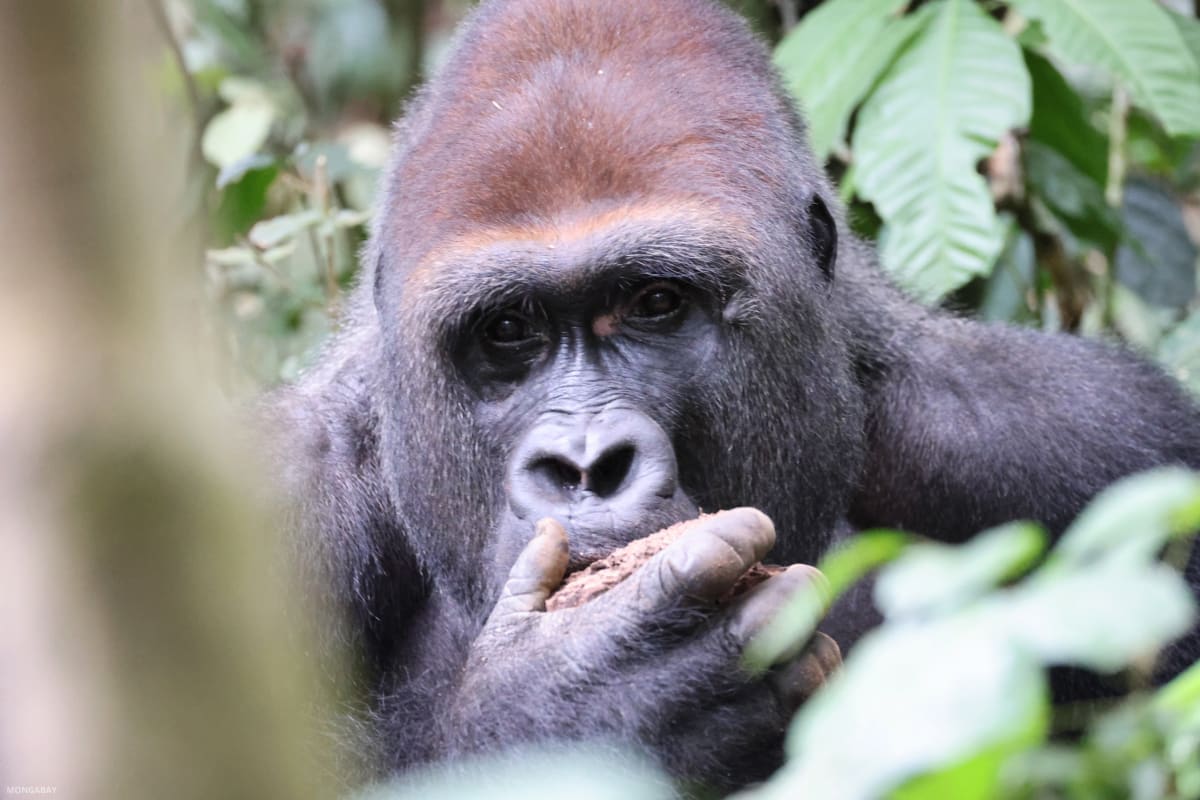
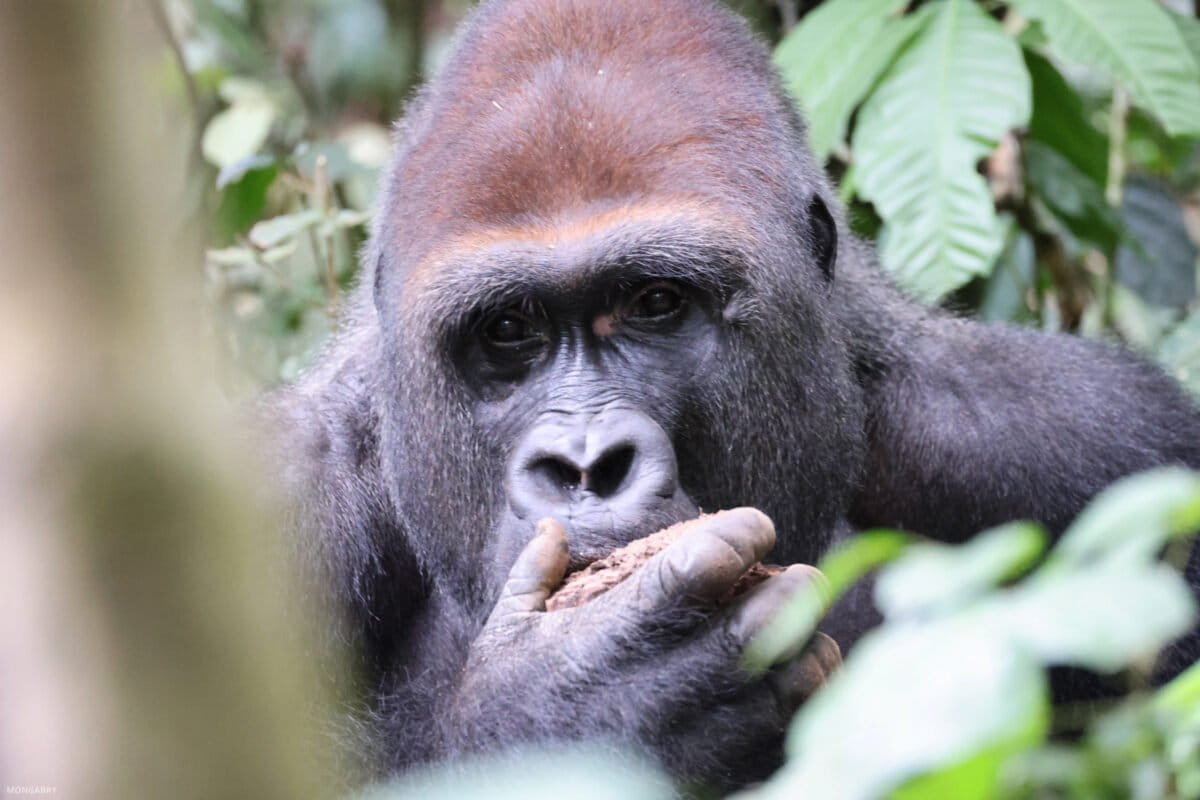
Dzanga-Sangha National Park welcomed around 800 tourists in 2025, a modest number that's creating meaningful change in the surrounding communities. Visitors travel to see forest elephants gathering at Dzanga Bai and habituated lowland gorillas, two attractions found almost nowhere else on Earth.
"There is growth," said Gervais Pamongui, deputy director of the Dzanga-Sangha Protected Areas. He credits both the remarkable wildlife and a measure of regional stability that has held steady even as other parts of the country face challenges.
The uptick in visitors means real improvements for local residents. Tour guides and trackers now have consistent work throughout the year. Families can afford school fees and medical care with income from tourism jobs.
Revenue sharing agreements between the park, government agencies, and local communities fund essential services. A solar farm now powers the town of Bayanga at the park's edge. A mobile clinic serves surrounding areas, alongside a human rights center and community radio station.
Tour guide Léonce Madomi acknowledges the country's complicated reputation but notes that Bayanga has largely avoided the disruptions seen elsewhere. "Both true and false," he said of concerns about insecurity in the region.
The Ripple Effect
The benefits extend beyond individual paychecks. Lodges report steadier business, creating a foundation for planning and investment. Park officials are now designing upgrades to the Dzanga Bai viewing platform, anticipating continued growth.
The model isn't perfect yet. Tourism jobs reach only a slice of the local population. Poor roads and occasional food shortages remain real constraints. Questions persist about whether wildlife tourism alone can support a broader regional economy.
Still, Dzanga-Sangha offers proof that conservation and community development can work together, even in challenging circumstances. The park creates opportunities in a place where economic prospects have historically been limited.
For communities surrounding the park, the steady stream of visitors represents more than tourism numbers. It's validation that their natural heritage has value, and that protecting it can improve daily life in tangible ways.
What happens next depends on whether these early gains can spread beyond the park boundaries and reach more families across the region.
More Images

Based on reporting by Mongabay
This story was written by BrightWire based on verified news reports.
Spread the positivity!
Share this good news with someone who needs it
%2Ffile%2Fattachments%2Forphans%2FKyran-Tourism7_528375.jpg)