Central African Republic's Ecotourism Brings Hope
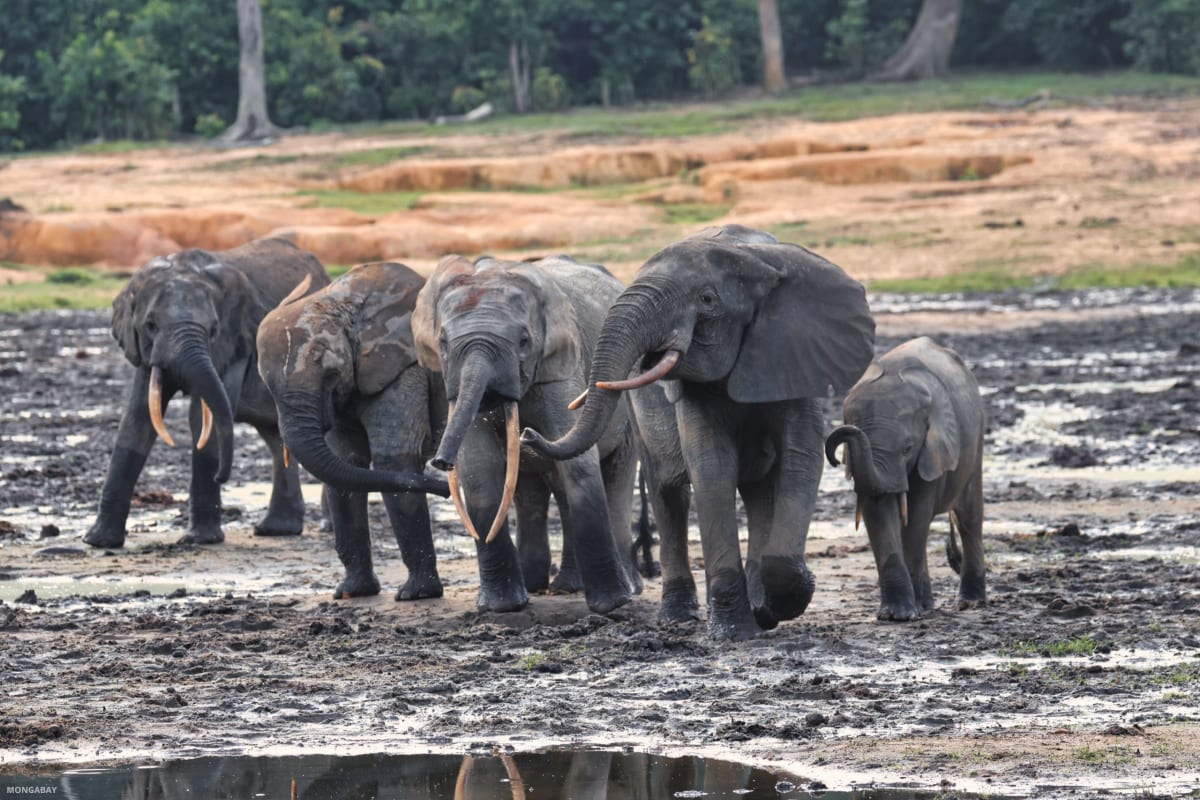
In a country known for conflict, a quiet wildlife tourism success story is unfolding in the forests of Dzanga-Sangha. Forest elephants and gorillas are drawing 800 visitors yearly, creating jobs and showing a different side of the Central African Republic.
Deep in the Congo Basin rainforest, something unexpected is happening in one of the world's most conflict-affected countries.
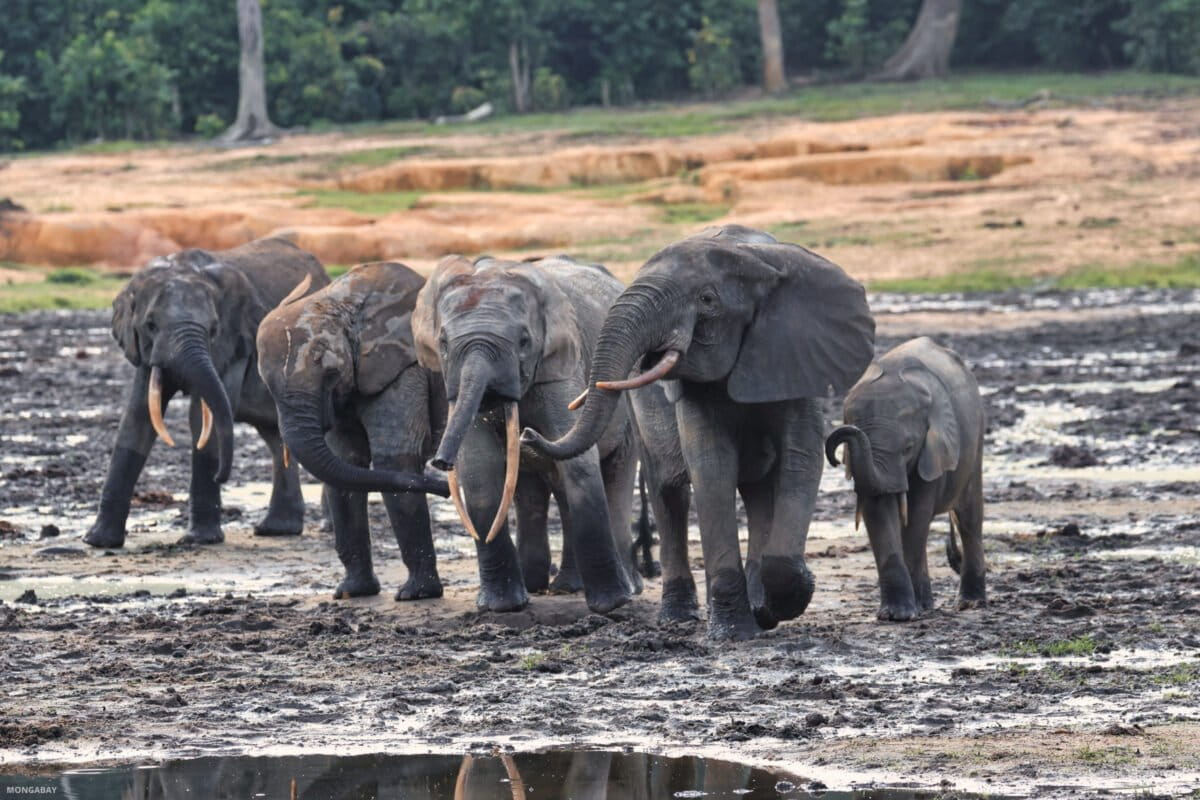
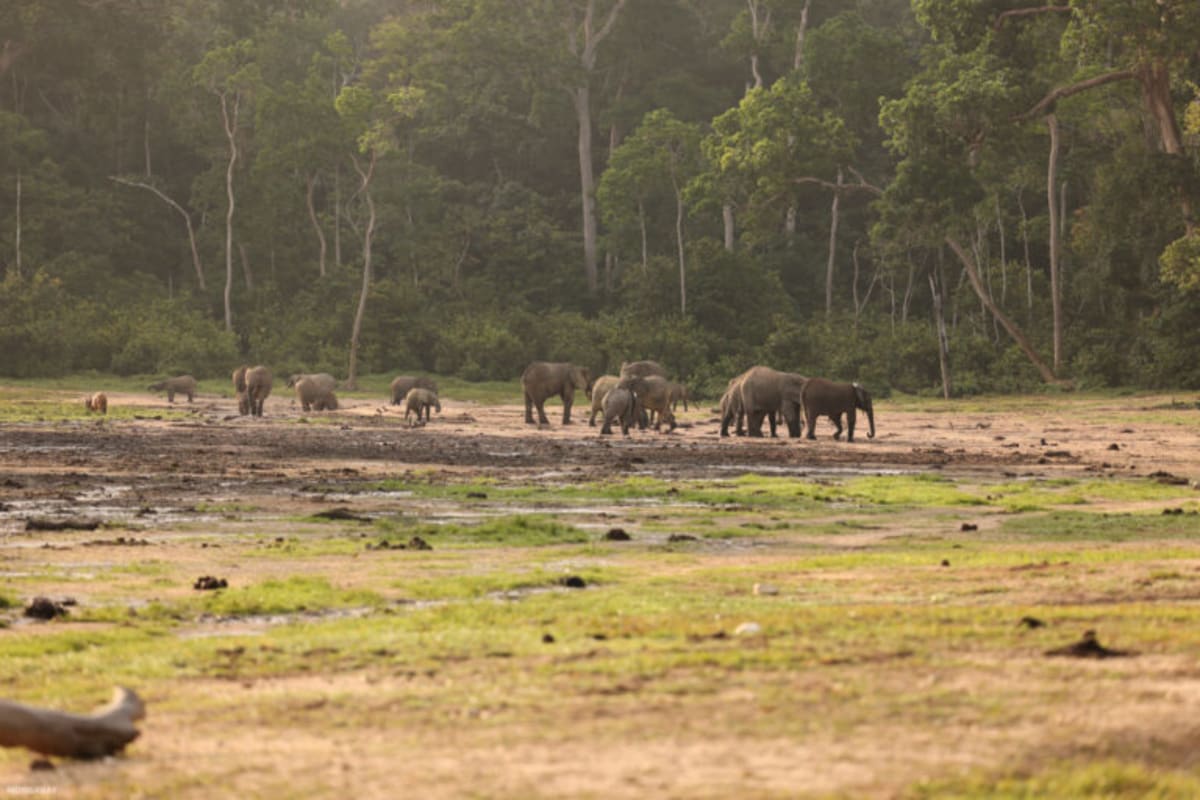
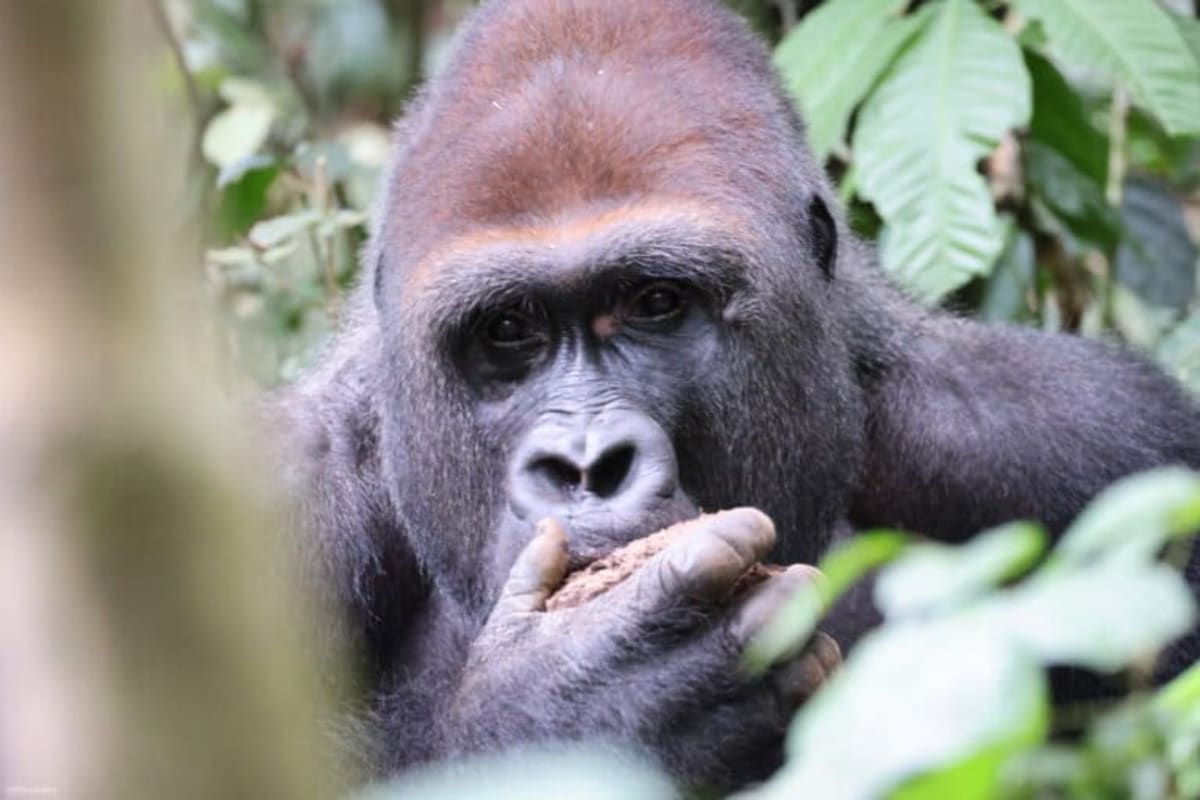
Dzanga-Sangha National Park in southwestern Central African Republic welcomed about 800 tourists in 2025, generating roughly $1 million in revenue. Visitors come to witness up to 150 forest elephants gathering in a single clearing and to observe western lowland gorillas in their natural habitat.
For tour guide Léonce Madomi, who has worked in the region for 16 years, the change has been striking. "I think it's over the last two or three years that tourism has really increased," he says. Word of mouth from satisfied visitors has helped shift perceptions about safety in the area.
The growth remains modest by international standards, but locals say the impact is real. Hotel workers and guides report more consistent employment than in previous years. Zongbo Noella, who has worked at Doli Lodge since 2014, says the increase in visitors helps her support her family in ways that weren't possible before.
Gervais Pamongui, deputy director of Dzanga-Sangha Protected Areas, credits two factors for the uptick. The wildlife attractions themselves draw nature enthusiasts from about 20 countries, including Germany, Russia, Spain and the United States. But equally important is the improved stability in this southwestern pocket of the country, allowing visitors to feel safe.
The area around Bayanga has remained relatively calm even as other parts of the Central African Republic continue to face challenges. Madomi is careful to acknowledge this distinction. "Yes, there are areas where there are problems," he says. "But not here in Bayanga."
The Ripple Effect
Beyond the direct tourism dollars, the project is creating unexpected opportunities. More Central Africans are visiting as domestic tourists, exploring their own country's natural heritage. Trackers and guides are finding steady work leading forest excursions at dawn, interpreting wildlife signs for visitors who would never spot them alone.
The revenue sharing and small economic opportunities are beginning to reshape what's possible in communities that have had few alternatives. For Grace Balembe, a WWF tracker, tourism means having a job that might not otherwise exist.
Challenges remain, from poor road infrastructure to questions about whether benefits are reaching communities equitably. But for now, the forest elephants gathering at Dzanga Bai are offering something the Central African Republic rarely gets: a chance to tell a different story about itself.
More Images

Based on reporting by Mongabay
This story was written by BrightWire based on verified news reports.
Spread the positivity!
Share this good news with someone who needs it
%2Ffile%2Fattachments%2Forphans%2Fozz1astreetmuralpromotingrhinoconservationinthetownofHluhluweKwaZuluNatalimagetonycarnie_225511.jpg)