CERN Discovers Mystery Particle After 20-Year Search
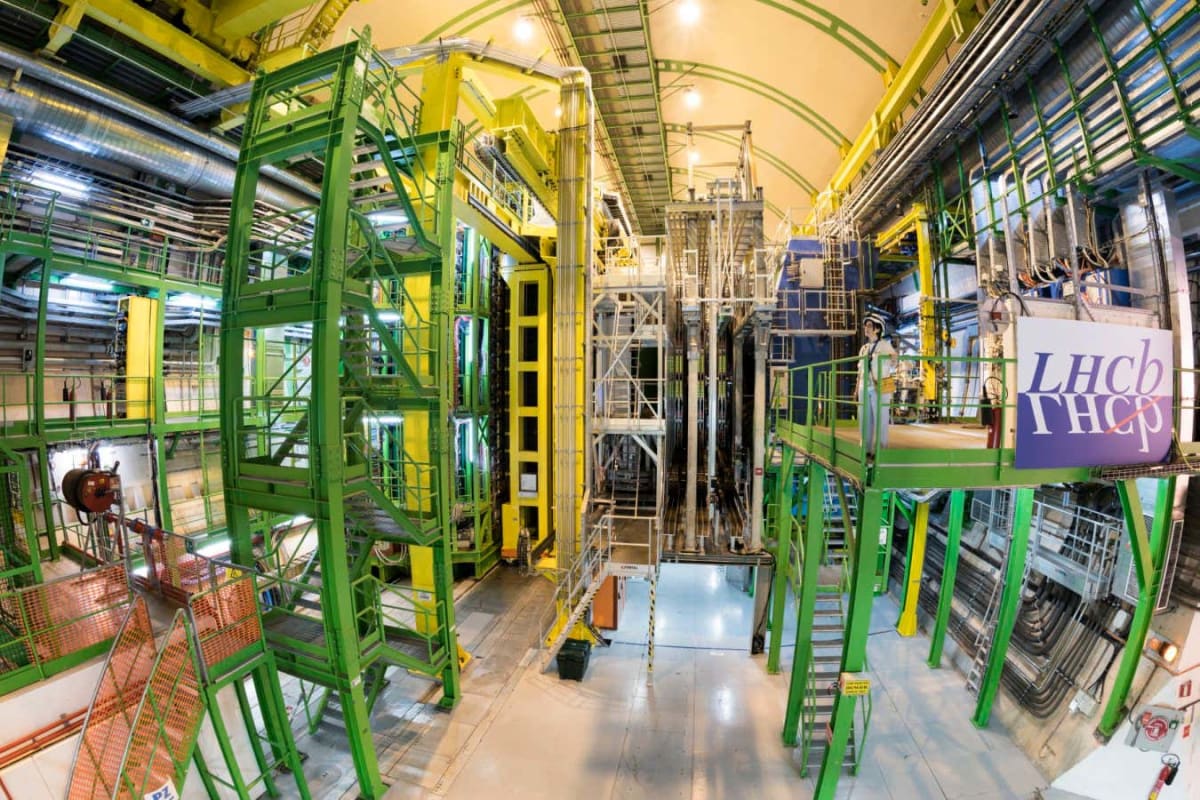
Scientists at CERN's Large Hadron Collider just found a particle that solves a puzzle from 2002, proving upgrades to the world's most powerful atom smasher are paying off. The discovery shows we can now detect particles that live for just a fraction of a trillionth of a second.
After two decades of searching, scientists finally caught a glimpse of one of nature's most elusive building blocks.
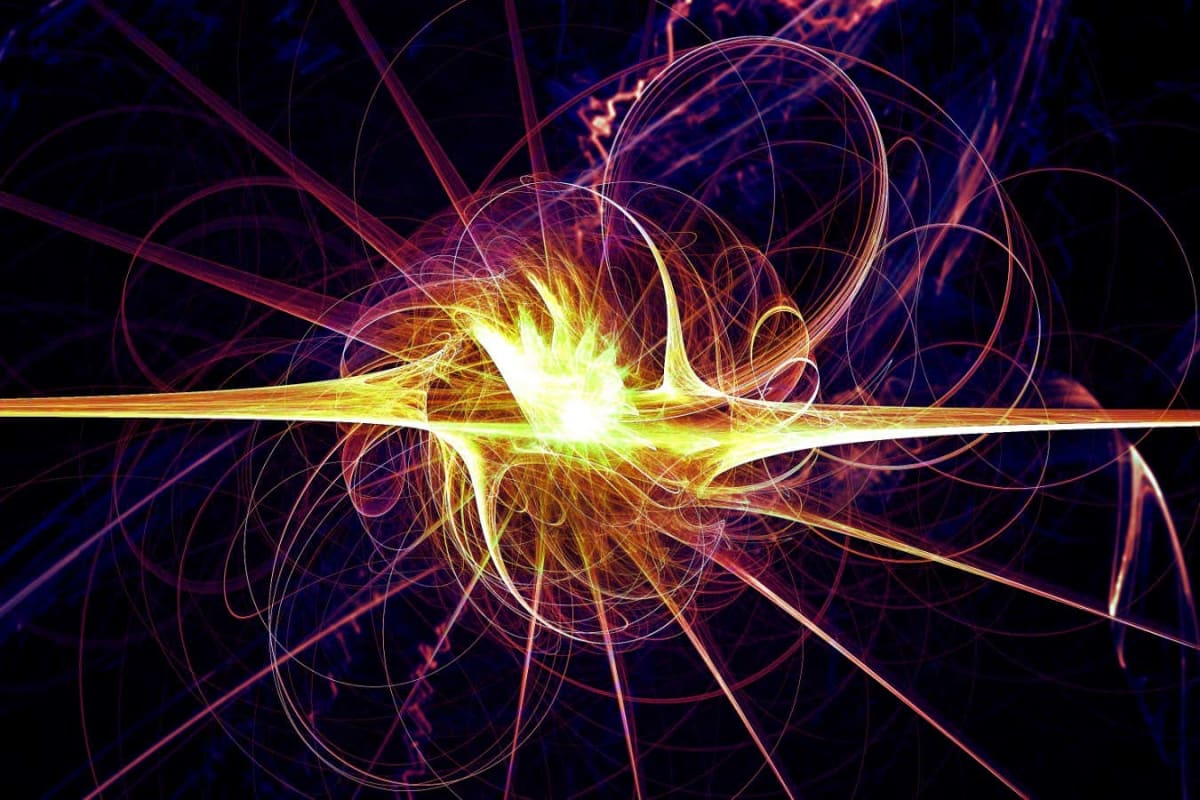
Physicists at CERN's Large Hadron Collider in Switzerland detected a new particle called Xicc+, made of exotic charm quarks that exist for only a sixth of a trillionth of a second before vanishing. The discovery clears up confusion from an experiment 20 years ago that thought it spotted this particle but couldn't be certain.
The new finding reached "7 sigma" confidence, far exceeding the 5 sigma threshold scientists need to confirm a discovery. That means there's virtually no chance this result is a fluke.
What makes this win even sweeter is what it reveals about scientific progress itself. One year of data from CERN's upgraded detector accomplished what 10 years of older technology couldn't, according to Chris Parkes at the University of Manchester.
The particle is a heavier cousin of the proton, containing two charm quarks plus one down quark instead of the lighter quarks found in everyday matter. In 2017, scientists spotted its sister particle Xicc++, which has an up quark instead and lives six times longer.
Back in 2002, researchers at Illinois's Fermilab thought they'd found Xicc+, but their measurements showed a puzzling mass that didn't match predictions. The new discovery reveals the particle's true mass aligns with its sister particle, settling the mystery once and for all.
Why This Inspires
This breakthrough shows how persistence and better tools unlock nature's secrets. The upgrades to CERN's equipment transformed an impossible search into a clear success, proving that investing in scientific advancement pays real dividends.
Understanding how heavy quarks stick together could reveal fundamental truths about the strong nuclear force, one of nature's four basic forces. While today's theories struggle to predict these exotic particles' behavior, scientists like Juan Rojo at Vrije University Amsterdam believe this discovery will answer important questions within five years.
The detection proves that patience and improved technology can solve puzzles that stump us for decades.
More Images



Based on reporting by New Scientist
This story was written by BrightWire based on verified news reports.
Spread the positivity!
Share this good news with someone who needs it

%3Amax_bytes(150000)%3Astrip_icc()%3Afocal(599x0%3A601x2)%2Fdana-price-with-trap-091626-152b86c5a0aa4313a091e8c042946009.jpg)