CERN Shares Free Electronics Library for Circuit Designers
The team behind the world's largest particle accelerator just released thousands of electronics components for free. Circuit designers worldwide can now access the same professional parts library used by Europe's top physics research facility.
Scientists at CERN don't just smash particles together to unlock the secrets of the universe. They also design thousands of custom circuit boards to make their experiments work, and now they're sharing those resources with everyone.
The European particle physics lab just released its entire KiCad electronics library to the public for free. These are the same component designs their engineers use to build equipment for the Large Hadron Collider, the massive underground ring that straddles the border between Switzerland and France.
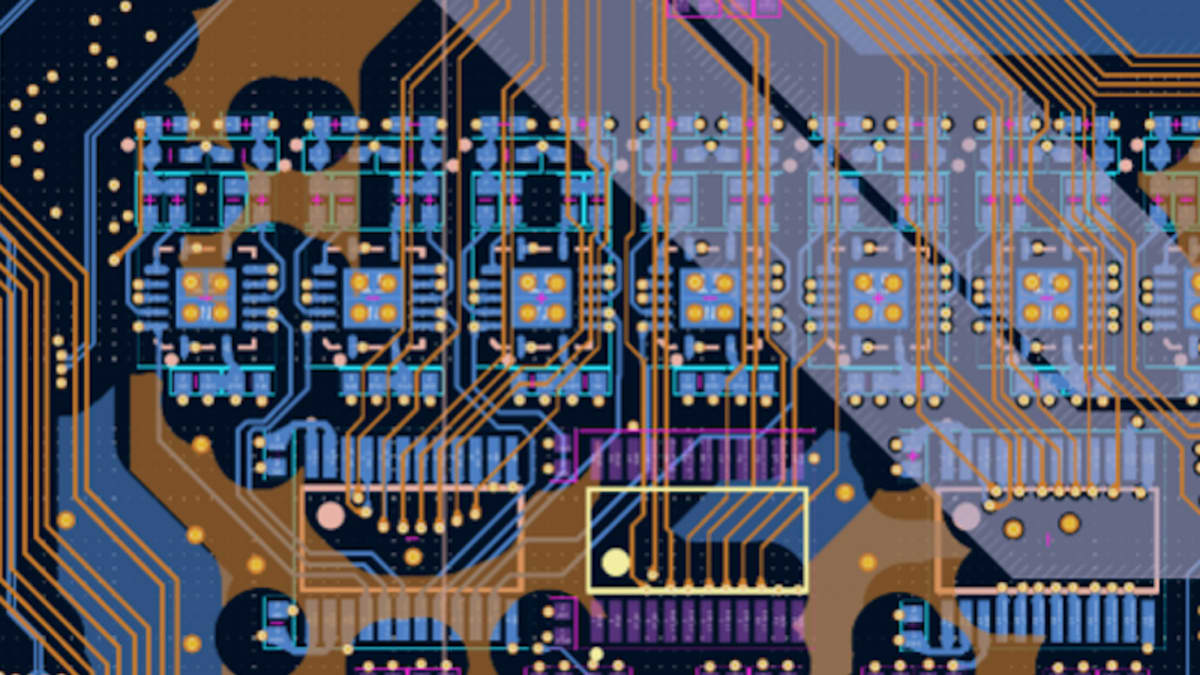
For anyone who designs printed circuit boards, this is like getting access to a professional workshop. The library includes footprints and symbols for a huge variety of electronic parts, all tested and used in some of the world's most demanding scientific equipment.
CERN's engineering team works with everything from simple resistors to exotic sensors that operate in extreme conditions. Their library reflects this breadth, offering designers a ready-made collection that took years of expert work to compile.
The files are available now on GitLab and work with KiCad version 9, with version 10 support coming soon. KiCad is free, open-source software for designing electronics, making this gift accessible to students, hobbyists, and professionals alike.
The Ripple Effect
This isn't CERN's first contribution to making technology more open and accessible. The lab has a track record of sharing its innovations with the world, most famously inventing the World Wide Web in 1989 and releasing it freely.
Their approach to KiCad follows the same philosophy. Years ago, CERN engineers invested significant effort into improving KiCad's usability, helping transform it from a basic tool into professional-grade software. Javier Serrano, one of the engineers involved, once explained their goal: make KiCad as important to open hardware as the GCC compiler was to open-source software.
That vision is becoming reality. By releasing their component libraries, CERN is lowering the barrier for anyone who wants to build electronics. Students learning circuit design won't need to recreate parts from scratch. Small companies can prototype faster. Makers can focus on innovation instead of tedious library work.
The electronics community is already celebrating the release. For many designers, installing CERN's library will become standard practice, bringing a touch of particle physics precision to projects around the world.
When scientists share their tools this generously, everyone wins.
More Images


Based on reporting by Google News - Technology
This story was written by BrightWire based on verified news reports.
Spread the positivity!
Share this good news with someone who needs it