CES 2026: AI Goes Invisible as Tech Puts People First
This year's Consumer Electronics Show marked a turning point where technology companies stopped chasing flashy features and started designing products that quietly support real human needs. From robots that help with dementia care to smart homes that feel calmer, innovation finally feels thoughtful.
The biggest tech show in the world just proved that the future isn't louder or flashier. It's quieter, kinder, and finally designed for actual humans.
At CES 2026 in Las Vegas, thousands of companies unveiled products that share a surprising new philosophy: technology should fade into the background and make life easier, not more complicated. After years of AI hype and over-the-top gadgets, this shift toward "invisible innovation" signals a mature new chapter in tech.
The most telling change? AI stopped being the main attraction. Companies like NVIDIA and Lenovo now embed artificial intelligence as a behind-the-scenes helper that reduces mental load without demanding attention. Lenovo's Qira assistant seamlessly follows you from phone to laptop without constant notifications or privacy concerns.
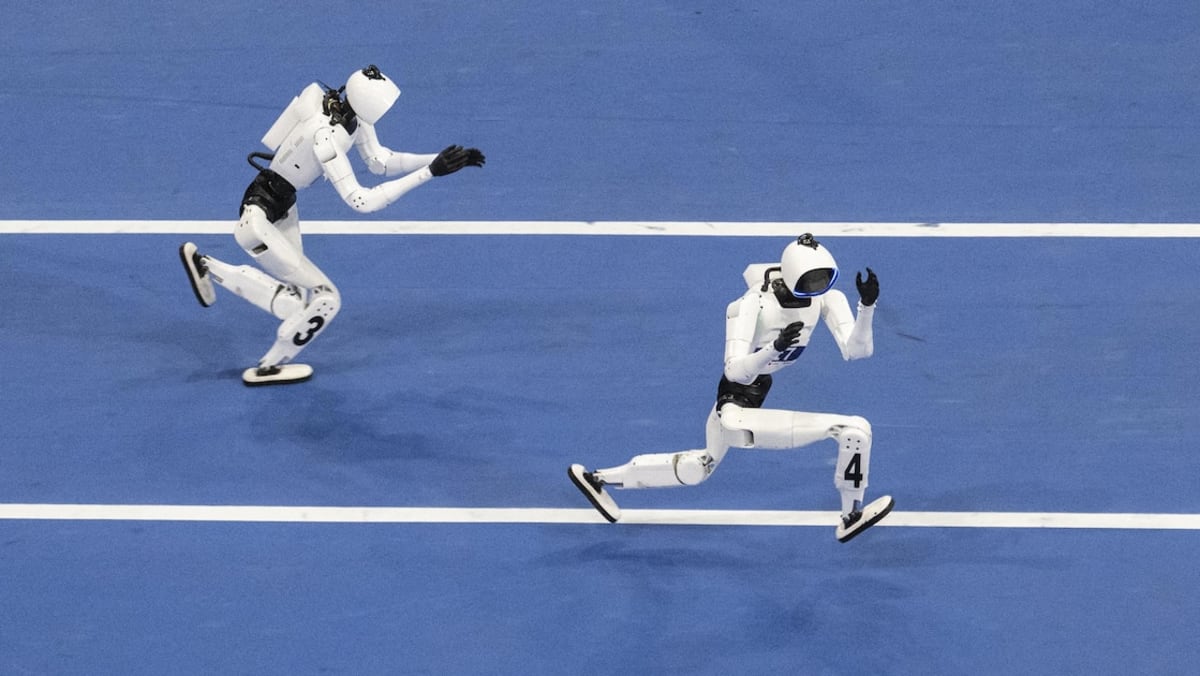
Robots got more practical too. LG's CLOi robot handles delicate household tasks with genuine care, while new designs specifically support elderly people with dementia through companionship that prioritizes dignity over novelty. Even robot vacuums finally tackled stairs, with Roborock's Saros Rover climbing steps effectively if slowly.
Smart home tech embraced calm over chaos. The wooden Mui Board interface hides in plain sight as décor until you need it. GE's new refrigerator scans groceries and updates your shopping list automatically instead of creating more digital busywork. Chef's knives now use ultrasonic vibration to glide through vegetables effortlessly.
Wearables became quiet co-pilots. Smart rings and pendants take notes or summarize conversations without screens demanding constant attention. Naqi Logix won Best of Innovation for neural earbuds that translate facial muscle signals into commands, offering truly hands-free control for people with disabilities.
The Ripple Effect
This human-centered design philosophy extends far beyond convenience. When elder care robots treat people with dignity, when wearables help instead of interrupt, and when AI respects privacy, technology finally serves its original purpose: improving quality of life for everyone.
The innovations unveiled affect caregivers managing dementia patients, workers juggling multiple devices, people with disabilities seeking independence, and anyone exhausted by technology that demands too much attention. By reducing friction and cognitive load, these products give people time and mental energy back.
CES 2026 didn't showcase the most powerful technology ever made. It showcased technology powerful enough to know when to step back and let humans be human.
Based on reporting by Google: robotics innovation
This story was written by BrightWire based on verified news reports.
Spread the positivity!
Share this good news with someone who needs it