Chagossian People Push for Right to Return Home
After 60 years of forced displacement, the Chagossian people are claiming their right to return to their ancestral islands in the Indian Ocean. A recent landing by four Chagossians signals a new chapter in their fight for self-determination.
Misley Mandarin and three other Chagossians stepped onto Île du Coin on February 16, declaring their intention to establish a permanent settlement on their ancestral land. It was the first time in decades that Chagossians asserted their right to return home without asking permission.
The Chagossian people were forcibly removed from the Chagos Archipelago in the late 1960s when the UK established a military base on Diego Garcia. For 60 years, they've fought for recognition and the right to go home.
Now, momentum is building in their favor. Courts have recognized them as the rightful "belongers" of the islands, and the United Nations has identified them as indigenous inhabitants with rights to self-determination.
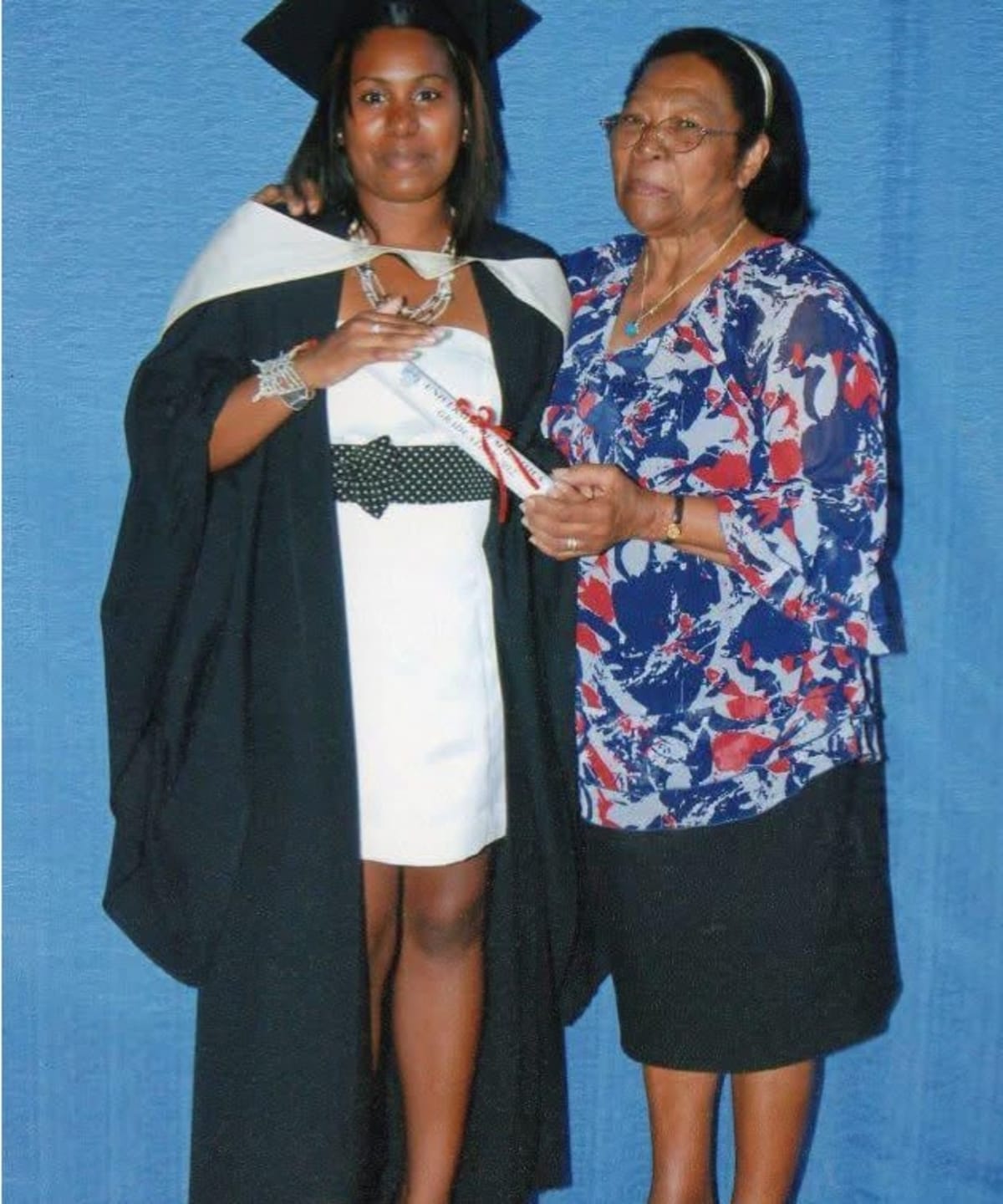
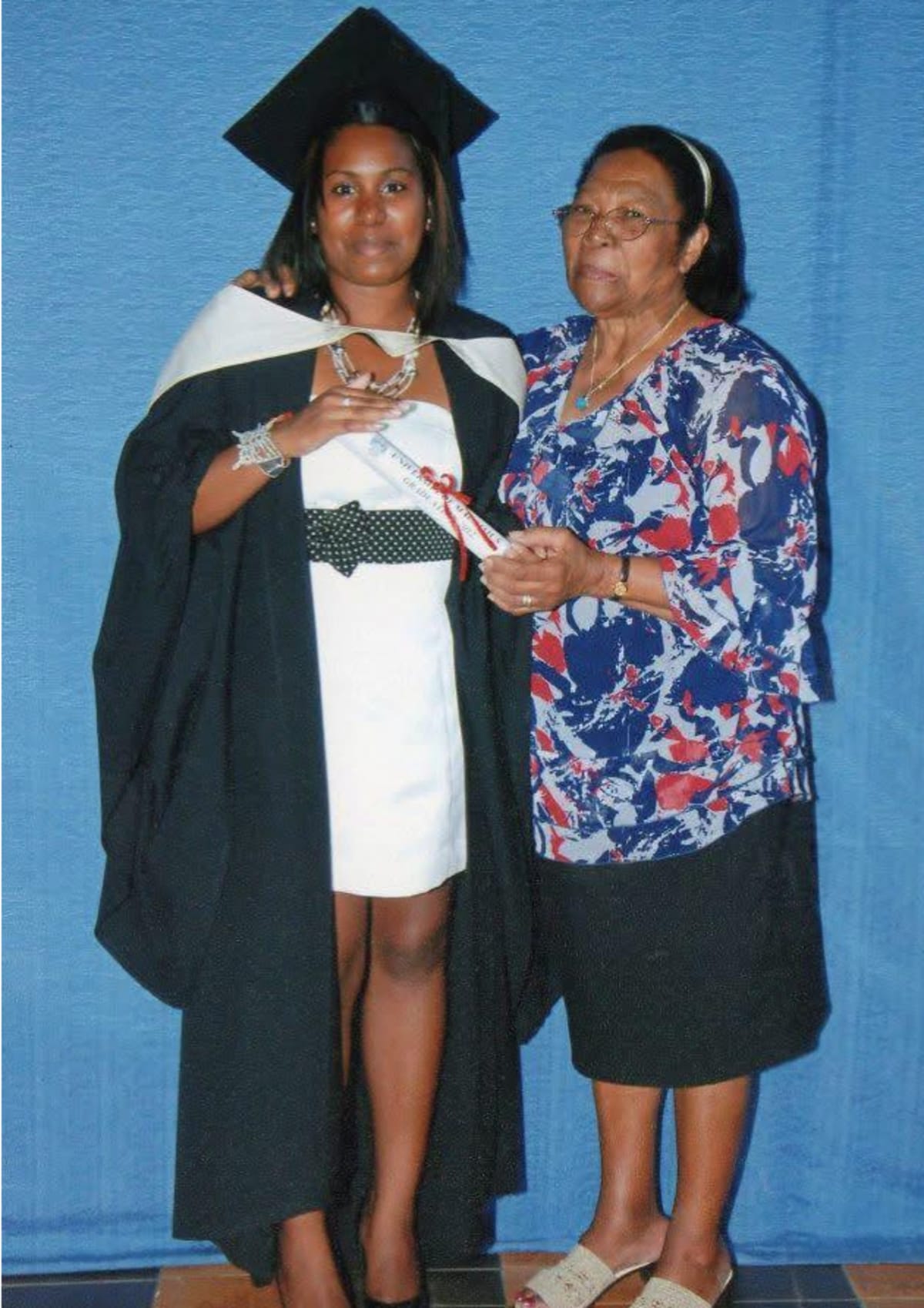
Pascalina Nellan, a UK-based advocate whose grandmother Lucile Uranie was born on Diego Garcia, sees hope in recent developments. She believes the Chagossians deserve more than being pawns in diplomatic negotiations between the UK and Mauritius.
In May 2025, the UK and Mauritius signed a treaty transferring sovereignty while maintaining the military base. But the deal's ratification has stalled, and critically, it was negotiated without meaningful Chagossian participation.
In December 2025, the UN Committee on the Elimination of Racial Discrimination called on both governments to suspend the treaty process. The committee emphasized that Chagossians must be involved in any decisions about their homeland.
The Ripple Effect spreads beyond one community's homecoming. This story touches fundamental questions about indigenous rights, decolonization, and whether displaced peoples can truly shape their own futures.
Nellan challenges the false choice between conservation and return. "A rights-centric resettlement is built not around what states find convenient, but around what the Chagossians are entitled to as a people," she explains.
The Chagossian community across the diaspora is united in wanting a voice in their future. They're not necessarily seeking independence, just the right to participate in decisions about their islands, their culture, and their economic development.
International law supports their claim. The International Court of Justice's 2019 opinion recognized the incomplete decolonization of the territory, while multiple UN resolutions have affirmed indigenous peoples' rights to self-determination.
The February landing represents more than symbolic protest. It's a statement that the Chagossian people are ready to write the next chapter of their story themselves.
More Images
Based on reporting by Google News - Reconciliation
This story was written by BrightWire based on verified news reports.
Spread the positivity!
Share this good news with someone who needs it