Challenger Engineers' Warning Still Saves Lives 40 Years Later
Forty years ago, engineers fought desperately to stop a launch they knew was unsafe. Their courage and the lessons learned transformed how NASA listens to safety concerns, creating protocols that protect astronauts today.
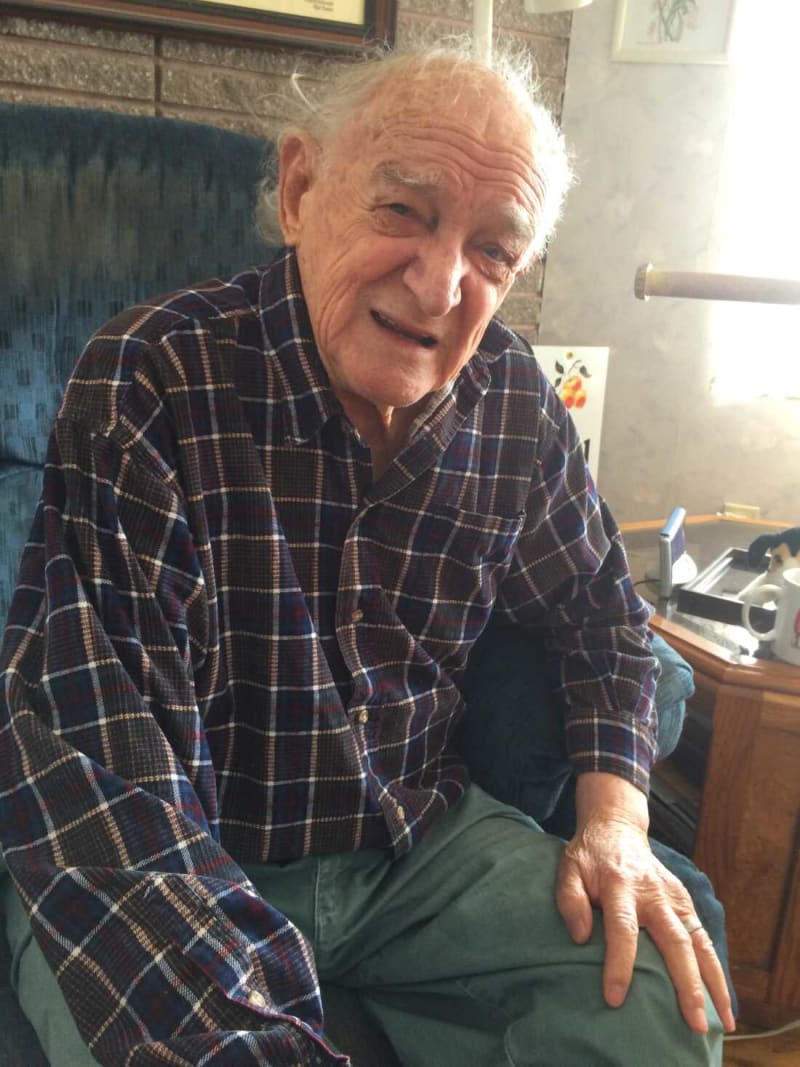
Bob Ebeling pounded his dashboard in frustration that cold January morning in 1986, telling his daughter the Challenger would explode. He and fellow engineers at Morton Thiokol had spent the previous night trying everything they could to stop the launch.
They had the data, the photographs, and the expertise. The synthetic rubber O-rings sealing the booster rocket joints wouldn't work properly in freezing temperatures, they warned. At first, even their own executives agreed and recommended against launch.
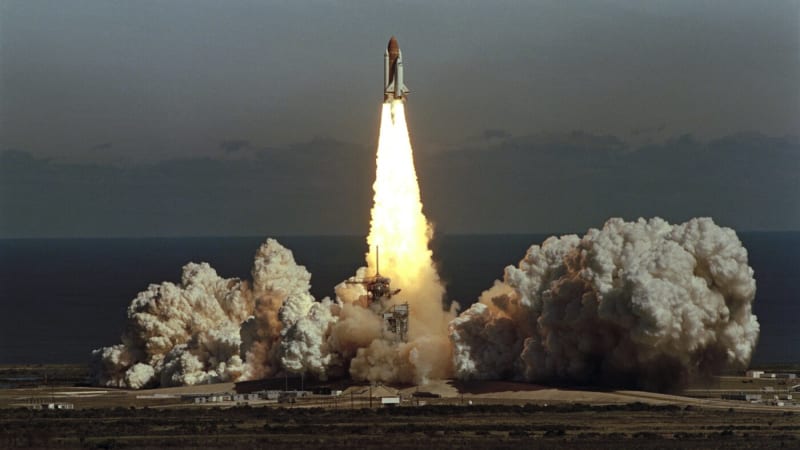
But the engineers lost that battle. When Challenger lifted off on January 28, 1986, seven astronauts including teacher Christa McAuliffe were aboard. The shuttle exploded 73 seconds into flight, witnessed by millions of schoolchildren watching live.
Roger Boisjoly, one of the engineers on the O-ring task force, had written a memo six months earlier warning of "a catastrophe of the highest order" if the problem wasn't fixed. Despite his expertise and passion, his voice wasn't enough to overcome what researchers later called "normalization of deviance," the dangerous acceptance of known risks that hadn't yet caused disaster.
The engineers carried guilt for years, wondering if they could have done more. But their fight wasn't in vain.
The Bright Side
The Challenger tragedy fundamentally changed how NASA approaches safety concerns. Engineers today have protected channels to raise alarms, and technical experts have stronger voices in launch decisions. The culture shift these engineers fought for has helped keep astronauts safer for four decades.
Their warnings about speaking up when something feels wrong now echo through engineering programs and safety training worldwide. Companies across industries study the Challenger disaster to understand why expert voices must be heard, especially when lives are at stake.
NASA's current safety protocols, including independent oversight and the requirement that engineers prove a launch is safe rather than managers prove it's unsafe, trace directly back to lessons learned from that cold morning. Every astronaut who has returned home safely since owes something to those engineers who refused to stay silent.
The courage it took for Ebeling, Boisjoly, and their colleagues to fight their own management and challenge NASA created a template for ethical engineering that extends far beyond spaceflight. Medical device safety, aviation standards, and construction protocols all reflect the principle they championed: technical truth matters more than schedule pressure.
Four decades later, their persistence in the face of tragedy stands as proof that speaking up, even when overruled, can change systems and save future lives.
More Images



Based on reporting by Google News - Science
This story was written by BrightWire based on verified news reports.
Spread the positivity!
Share this good news with someone who needs it