Chan Zuckerberg Opens $150M Fund for Rare Disease Research
Patient-led groups fighting rare diseases are getting a massive boost. The Chan Zuckerberg Initiative just announced $150 million in funding to help families turn hope into real treatments.
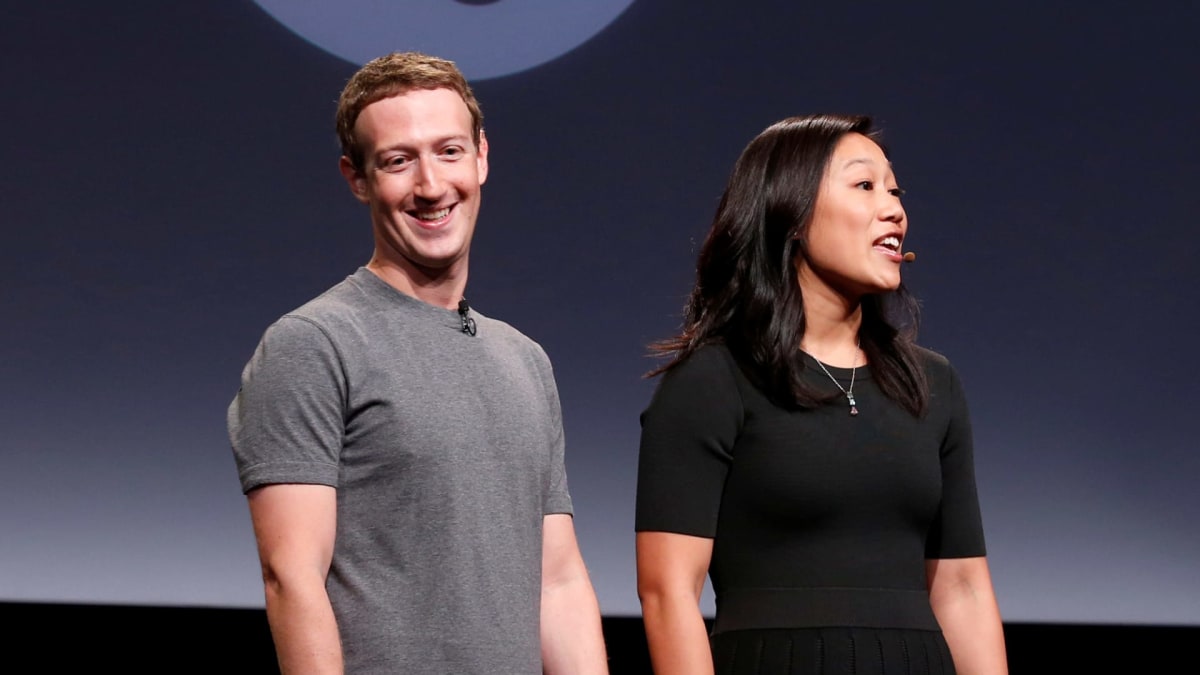
Priscilla Chan remembers sitting across from families who had done everything right, only to hear that medicine didn't have answers yet. Now, through her Chan Zuckerberg Initiative, she's making sure those families become the ones driving the solutions.
The organization's Biohub announced its fourth round of funding through the Rare As One Network, focusing on rare lung diseases, immune disorders, and rare cancers. Applications open this October, continuing a program that has already committed more than $150 million to patient-led research groups.
The results have been stunning. Organizations supported by Rare As One have engaged over 320,000 patients and 26,000 researchers across their networks. More than half of these groups have launched clinical trials, with some now sponsoring those trials themselves.
Sunitha Malepati saw this transformation firsthand. As vice president of the CACNA1A Foundation, which studies rare neurological conditions, she says the funding completely changed what her young organization could accomplish. "We had a bold vision but limited infrastructure," she explains. "Through the program's funding, training, and peer community, we were able to build the organizational capacity needed to actively drive research."
The program isn't just writing checks. It's connecting patient groups with Every Cure, a nonprofit that uses artificial intelligence to find new uses for existing medicines. The partnership means AI can identify promising treatments that might help rare disease patients who currently have no options.
The Ripple Effect
What started as support for patient advocacy groups has evolved into a new model for medical research. These aren't just support groups anymore. They're sophisticated research organizations building infrastructure, organizing scientific communities, and pushing treatments toward clinical trials faster than traditional pathways.
The timing couldn't be better. With AI accelerating drug discovery, the ceiling for what's possible keeps rising. Biohub recently launched a $500 million Virtual Biology Initiative to build predictive models of cells, complete with its own AI tool for drug discovery.
"What once felt impossible is happening," Chan said in a statement. "With AI accelerating what's scientifically possible, every day we are lifting the ceiling of what's possible for families."
For the 94 patient organizations that have received support so far, impossible is becoming routine. They're proving that the people who need answers most aren't bystanders in scientific progress. They're the ones making it happen.
The fourth funding cycle opens this fall, ready to help more families stop waiting for medicine to catch up.
Based on reporting by Google News - Disease Cure
This story was written by BrightWire based on verified news reports.
Spread the positivity!
Share this good news with someone who needs it