Cheap Healthy Foods Could Cut Diet Emissions 33%
A new study reveals that choosing the cheapest healthy foods could slash your diet's carbon footprint by one-third while cutting grocery costs by the same amount. The secret? Everyday staples like beans, nuts, and small fish are already climate-friendly.
Eating for the planet doesn't require expensive organic products or specialty stores. A groundbreaking study just proved that the cheapest healthy foods are also some of the best for cutting carbon emissions.
Researchers analyzed 440 local food products across 171 countries and found something remarkable. When people choose the least expensive healthy options, their dietary emissions drop by one-third compared to typical eating patterns.
Even better? These climate-friendly diets cost about one-third less than what most people currently spend on food. That means families can save money and help the planet at the same time.
The study, published in Nature Food, busts a persistent myth that's kept many people from making sustainable food choices. Marketing campaigns have long promoted the idea that environmentally friendly eating requires fancy, expensive ingredients.
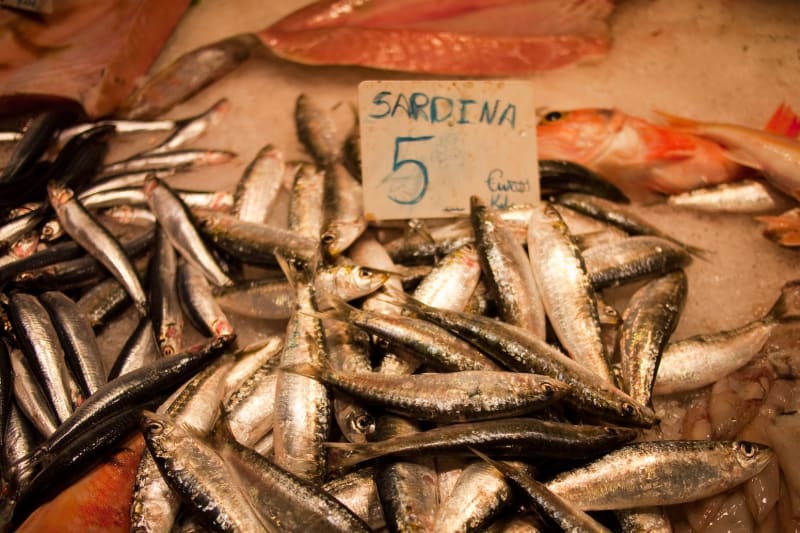
The reality is much simpler. Many foods people already eat regularly fall into the sweet spot of being both affordable and low-emission. White beans, apples, onions, carrots, and small fish like sardines all make the list.
Legumes, nuts, seeds, and healthy oils shine especially bright in the research. These everyday pantry staples pack nutrition without the hefty carbon price tag of meat-heavy diets.
The researchers compared three different healthy diets for each country: one using the most-consumed foods, one using the cheapest options, and one using the lowest-emission choices. The most-consumed diet emitted 2.44 kilograms of CO2-equivalent per person daily and cost $9.96.
Switching to the least expensive healthy foods delivered major reductions in both cost and carbon without sacrificing nutrition. Each diet still met nutritional guidelines needed for long-term health.
The Ripple Effect
This research arrives at a perfect moment. As families worldwide face rising grocery costs, the news that budget-friendly shopping aligns with climate action offers a rare win-win solution.
The findings also extend beyond individual choices. A companion study in the same journal found that reforming EU policies that reduce taxes on meat products could decrease food-related emissions by up to 5.7%.
Together, these studies show that both personal choices and policy changes can make sustainable eating accessible to everyone. The tools already exist in every grocery store and market around the world.
The message is clear: protecting the planet through food choices doesn't require wealth or sacrifice, just smart shopping for foods that have nourished communities for generations.
Based on reporting by Carbon Brief
This story was written by BrightWire based on verified news reports.
Spread the positivity!
Share this good news with someone who needs it