Chennai Stops Ocean Plastic With Trash Barriers and Locals
A new floating barrier in Chennai's waterways caught five tonnes of trash in just two days, with locals turning garbage into opportunity. The project pays waste pickers to collect plastic before it reaches the ocean.
Chennai just proved that stopping ocean plastic doesn't require expensive technology. It requires listening to the people who already collect trash for a living.
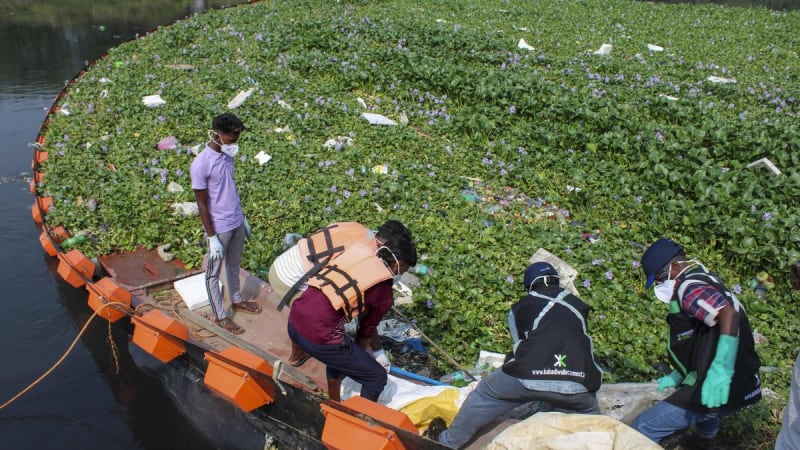
A pilot trash barrier launched this week at Buckingham Canal has already intercepted five tonnes of waste in two days. More than half of it was banned single-use plastics that would have reached the Bay of Bengal.
The project stands apart because it puts waste pickers and neighborhood scrap shop owners at the center of the solution. These informal workers, who already understand the city's waste streams better than anyone, now have official roles in operating the barriers and sorting recyclables.
Swathi Lakshmi from Kabadiwalla Connect explains the thinking behind it. The organization identified 2,000 scrap shops across Chennai back in 2017, and that number has grown since. In this first phase, they're partnering with five scrap shops and 50 waste pickers.
The barriers catch everything floating downstream, including water hyacinth. Researchers at Anna University are studying how to extract usable fiber from the plants before disposal. Hard plastics like bottles get recycled through existing channels, while low-value flexible plastics go to cement factories as feedstock.
Danish funding through Danida green business partnerships made the pilot possible. Ocean Plastic Forum, Kabadiwalla Connect, and Gleco developed and implemented the system with approval from the Greater Chennai Corporation and Water Resources Department.
The Ripple Effect
The project does more than clean waterways. It creates dignified work for people the formal economy often ignores.
Waste pickers who once scavenged dumps now have structured roles with fair compensation. Neighborhood scrap dealers become environmental partners instead of informal operators working in the shadows. The Rotary Club is bringing the message to schools, teaching kids how their discarded plastic wrappers travel through storm drains to the sea.
Residents' associations are joining too. Ganga Sridhar from Mandaveli Raja Street says neighbors are learning to trace the journey their trash takes. The awareness shifts behavior at the source.
Scientists studying ocean pollution and lake restoration are already helping plan the expansion. What works at Buckingham Canal can scale to other waterways across the city.
The formula is simple: meet plastic where it flows, involve people who know waste best, and create economic value from what gets thrown away.
Based on reporting by The Hindu
This story was written by BrightWire based on verified news reports.
Spread the positivity!
Share this good news with someone who needs it