Chesapeake Bay Crab Population Jumps 46% in One Year
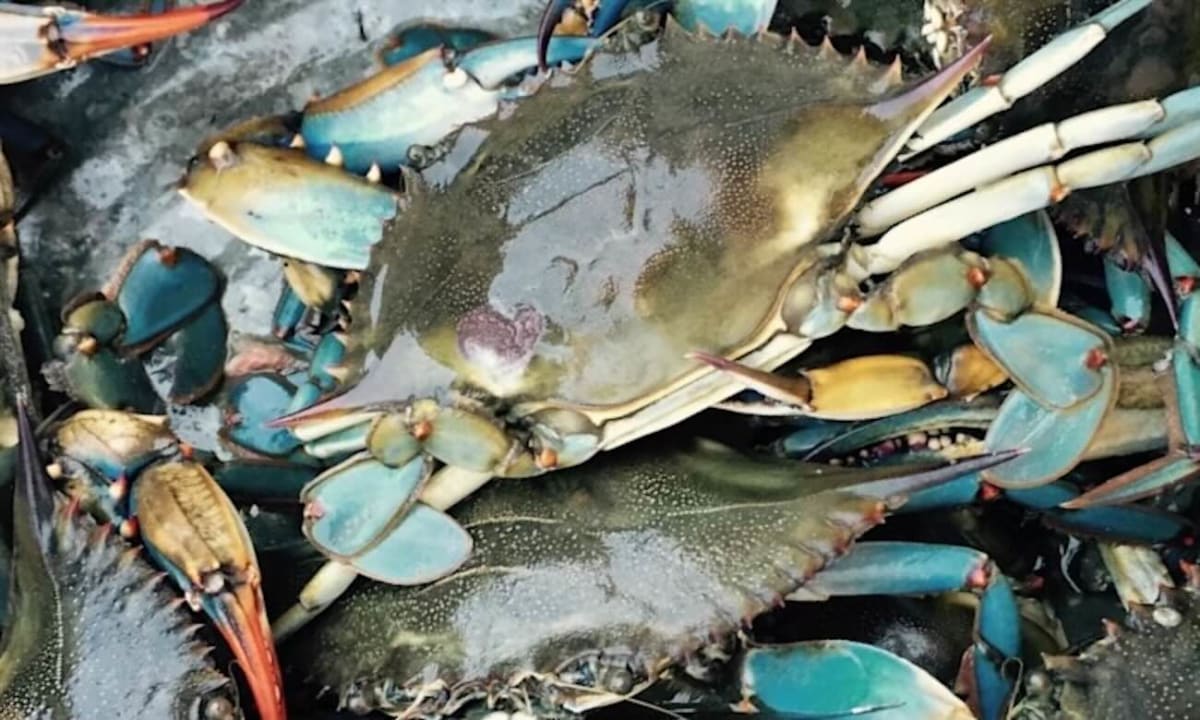
Blue crabs are making a remarkable comeback in the Chesapeake Bay, with numbers reaching their highest point since 2019. Years of conservation efforts are finally paying off for the iconic species that defines the region's culture.
After years of worrying declines, blue crabs are thriving again in America's largest estuary.
The Chesapeake Bay's blue crab population surged to 349 million this winter, a 46% jump from last year and the highest count since 2019. The annual survey from Maryland's Department of Natural Resources and Virginia Institute of Marine Sciences brought welcome relief to conservationists who've worked tirelessly to save these iconic crustaceans.
The juvenile crab population tells an even more hopeful story. With 228 million young crabs counted, the next generation looks strong and healthy.
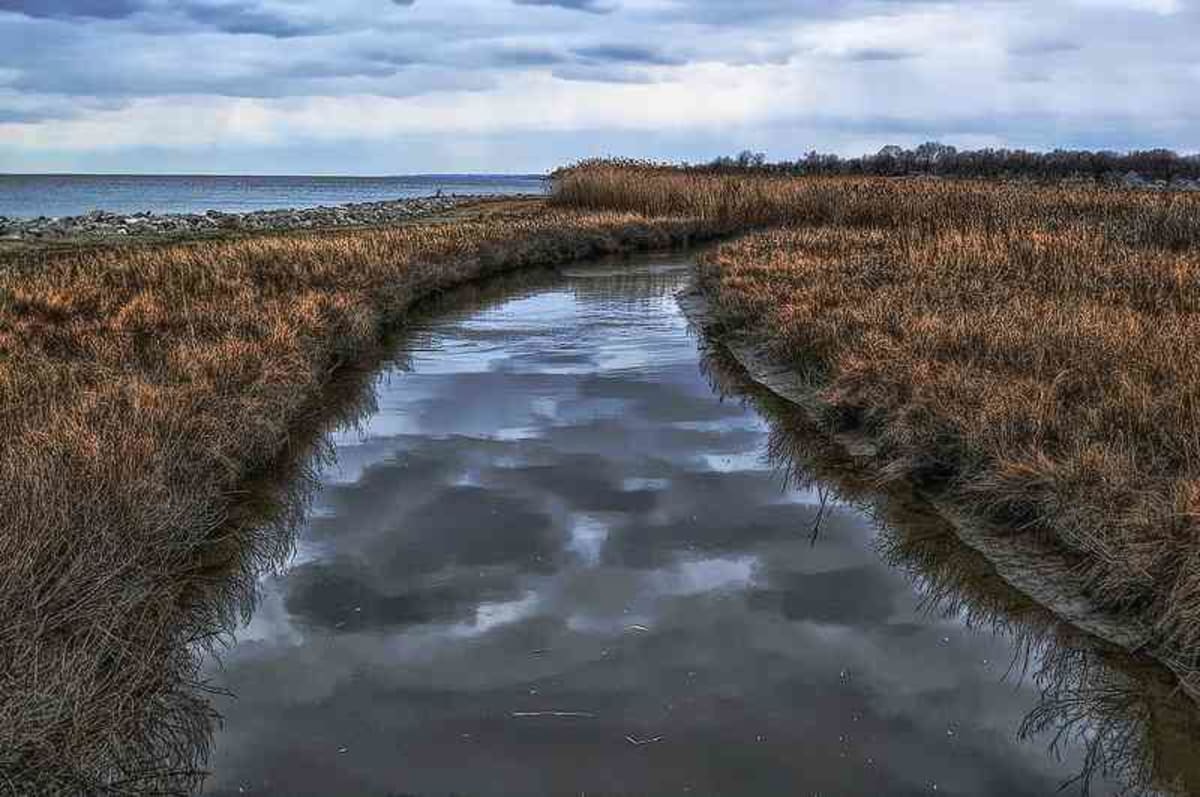
The Chesapeake Bay stretches 200 miles from Maryland to Virginia, supporting more than 3,600 plant and animal species. But blue crabs hold special meaning here as a cornerstone of regional heritage, economy, and dinner tables.
Getting to this point wasn't easy. Rising water temperatures, invasive blue catfish that prey on dormant crabs, and decades of overfishing had pushed populations to dangerous lows. The catfish were introduced in the 1970s for recreational fishing, a decision that backfired spectacularly as they hunted crabs year-round.
Maryland and Virginia stepped up with strict catch limits for both commercial and recreational crabbers. The 2026 Chesapeake Bay Blue Crab Assessment confirmed those rules worked, with no overfishing detected in the bay.
The good news extends beyond crabs. Maryland just reported that underwater seagrass coverage, which provides critical habitat for young crabs and other species, expanded by nearly 13% in a single year. Bay-wide seagrass acreage now covers 89,385 acres, up 7% from 2024.
The Ripple Effect
When crab populations recover, entire ecosystems benefit. Healthy seagrass beds filter water, provide oxygen, and shelter countless marine species. The restoration creates jobs for watermen, supports local restaurants, and preserves a way of life that's defined the Chesapeake region for generations.
Both states continue sharing data and coordinating conservation efforts, proving that environmental cooperation works. Their commitment shows in the numbers, with multiple species rebounding as water quality improves.
These crabs prove that nature can heal when we give it the chance.
More Images
Based on reporting by Good News Network
This story was written by BrightWire based on verified news reports.
Spread the positivity!
Share this good news with someone who needs it