Chess-Inspired Solar Panels Boost Clean Energy 30%
Researchers in Asia are proving clean energy doesn't need expensive tech—just creativity. From rearranging solar panels like chess pieces to recycling old EV batteries, five breakthrough studies show developing nations can leapfrog to affordable renewable power.
📺 Watch the full story above
What if solving the climate crisis was less about inventing new technology and more about using what we already have in smarter ways?
That's exactly what researchers at the Asian Institute of Technology are proving. Their five recent studies tackle clean energy challenges across Asia using secondhand batteries, chess strategy, and fair-sharing models that put expensive high-tech solutions to shame.
The most eye-catching breakthrough came from an unexpected source: a chess board. Solar panels normally lose efficiency when clouds, leaves, or bird droppings create shade. But by rearranging panels in the movement pattern of a chess rook, the team unlocked 30% more usable energy compared to traditional setups.
"It's like solving a puzzle," explains the concept. Instead of shade killing the whole system's output, the rook pattern disperses it evenly, keeping power flowing strong.
Another study gave electric vehicle batteries a second career. Rather than letting old EV batteries rot in landfills, researchers paired them with cryptocurrency mining operations to create carbon-neutral microgrids for remote communities. The crypto miners use excess solar power during the day, and the recycled batteries store energy for nighttime use.
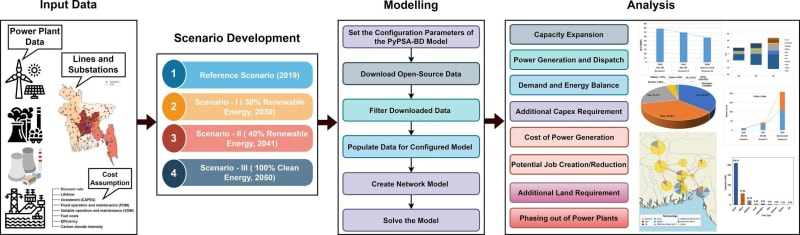
For Bangladesh, the team built PyPSA-BD, the first open-source energy planning tool designed specifically for a developing country. Now government planners can test different scenarios for moving away from coal and gas without leaving citizens in the dark or broke.
The Ripple Effect: Fair energy-sharing models developed in these studies cut community energy costs by nearly 40% and slashed emissions by more than half. When local "energy hubs" with solar panels and batteries can trade power fairly, everyone wins. The system even rewards communities that invest more in renewables with bigger profit shares, creating a built-in incentive to go greener.
The final innovation adds power-to-gas technology that converts surplus electricity into storable hydrogen, making local grids more resilient when supply or demand swings unexpectedly.
Dr. Jai Govind Singh, who leads research at AIT, sees these practical solutions as proof that developing nations don't need to wait for wealthy countries to invent their way forward. "With the right models, fair rules, and a bit of creativity, developing countries can leap ahead to clean energy futures," he said.
From Bangladesh to communities across Asia, these studies demonstrate that affordable clean energy isn't about who has the fanciest equipment—it's about who thinks most creatively about using what's already available.
More Images


Based on reporting by Google News - Clean Energy
This story was written by BrightWire based on verified news reports.
Spread the positivity!
Share this good news with someone who needs it