Chicago Block Clubs Fight Poverty One Job at a Time
Grassroots leaders on Chicago's South and West sides are helping neighbors find work by vouching for those with criminal records and organizing transportation to job sites. These community organizers are proving that hyperlocal solutions can break cycles of poverty where traditional programs fall short.
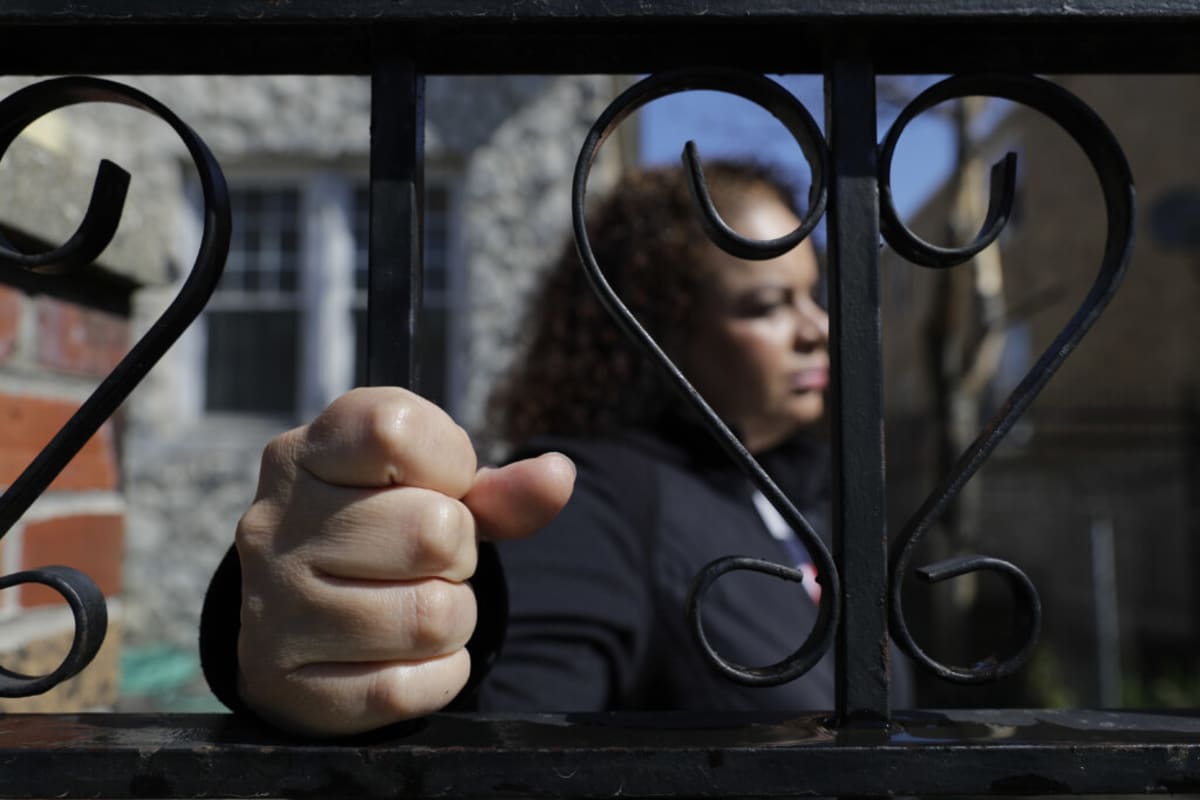
When Diana Graham watched a man murdered at her front gate eight years ago, the 82-year-old decided it was time to take back her Austin neighborhood. She rallied city officials to shut down the drug houses across from her home, and what started as one woman's fight became a blueprint for community-led change.
Graham is one of hundreds of block club leaders working across Chicago's South and West sides, where poverty rates reach as high as 62% in some areas. These grassroots organizers are doing something remarkable: they're helping neighbors find jobs and breaking the cycle of poverty one person at a time.
The challenge is enormous. Nearly three dozen community areas on the South and West sides face unemployment rates between 10% and 30%, far above the national average. Two major obstacles keep residents from work: criminal records that scare off employers, and lack of transportation to jobs outside the city.
Block clubs are tackling both problems head-on. Leaders personally vet residents who are ready to work and vouch for them to employers, making businesses more willing to take a chance on someone with a record. They organize carpools and rides to job sites beyond city limits, removing the transportation barrier that keeps so many trapped in unemployment.
These community leaders also create stepping stones into formal employment. They organize paid opportunities like cleaning vacant lots, maintaining community gardens, and helping senior citizens. These short-term jobs give residents work experience while building community pride, and they engage young people early in responsibility and skill development.
Nearly 700 block clubs have registered with the city since 2008, most concentrated in the neighborhoods that need them most. Unlike distant government programs, these hyperlocal groups build trust and rapport that makes real change possible.
But city policies sometimes get in their way. Complicated permitting processes make it hard to access vacant lots for beautification projects. Licensing laws prevent skilled but uncredentialed workers from taking construction jobs that could lift families out of poverty.
The Ripple Effect
When block clubs succeed at connecting one person to employment, the impact spreads throughout the neighborhood. That newly employed resident becomes a taxpayer, a role model, and proof that change is possible. Their success inspires neighbors and shows young people a path forward.
Children growing up on blocks with active clubs see adults taking pride in their community and working together toward shared goals. They learn that their neighborhood matters and that they have the power to shape their environment.
The solution isn't complicated: Chicago needs to clear the obstacles blocking these community heroes from doing their best work. Give them easier access to vacant land and streamline permits for smaller projects led by skilled residents.
What started with one woman refusing to accept violence at her doorstep has become a movement of neighbors helping neighbors find dignity through work.
Based on reporting by Google News - Jobs Created
This story was written by BrightWire based on verified news reports.
Spread the positivity!
Share this good news with someone who needs it

%2Ffile%2Fauthors%2F1208692869403170820.jpg)