Chicago Builds Nation's Largest Air Quality Network
After a civil rights complaint over environmental injustice, Chicago installed 277 air monitors across every neighborhood to track pollution in real time. The system is helping residents finally prove what they've always known about their air.
When community activists filed a civil rights complaint over Chicago relocating a scrap metal facility to a predominantly Black and Latino neighborhood, they sparked something bigger than anyone expected. The city responded by building the nation's largest community air quality monitoring network.
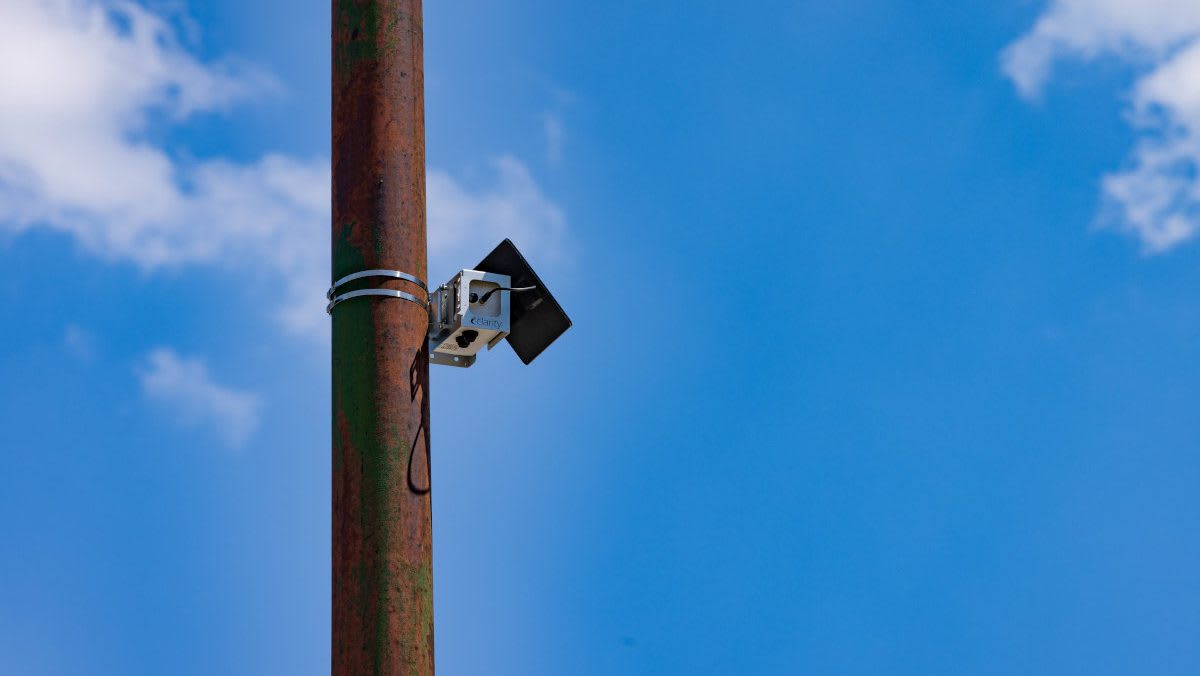
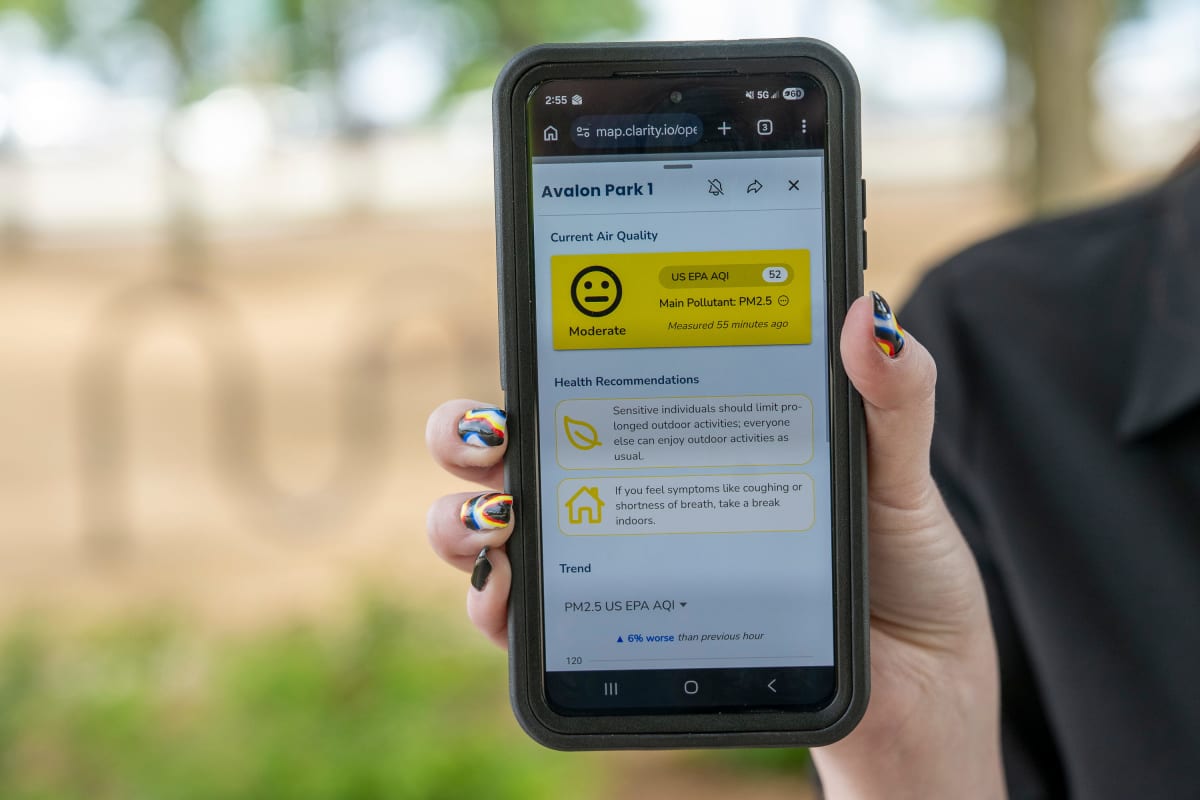
Today, 277 solar-powered monitors blanket Chicago, tracking pollution data from every single ward and community area. Each silver device, about the size of a tissue box, measures harmful particles and nitrogen dioxide, posting real-time updates that any resident can check on their phone.
The project, called Open Air Chicago, launched last fall after a 2023 settlement between the city and environmental groups. The complaint centered on General Iron's proposed move from the mostly white Lincoln Park neighborhood to the Southeast Side, where communities of color already faced pollution from industrial facilities and freight traffic.
For years, South and West Side residents had higher rates of asthma and respiratory issues but lacked hard data to prove their air was making them sick. "People are not gaslit about their experience anymore," said Oscar Sanchez, director of the Southeast Environmental Task Force, one of the groups behind the complaint.
The monitors sit less than a mile apart and measure tiny particles called PM2.5, which can pass through lungs directly into the bloodstream. They also track nitrogen dioxide from fossil fuel combustion, both linked to childhood asthma and heart problems.
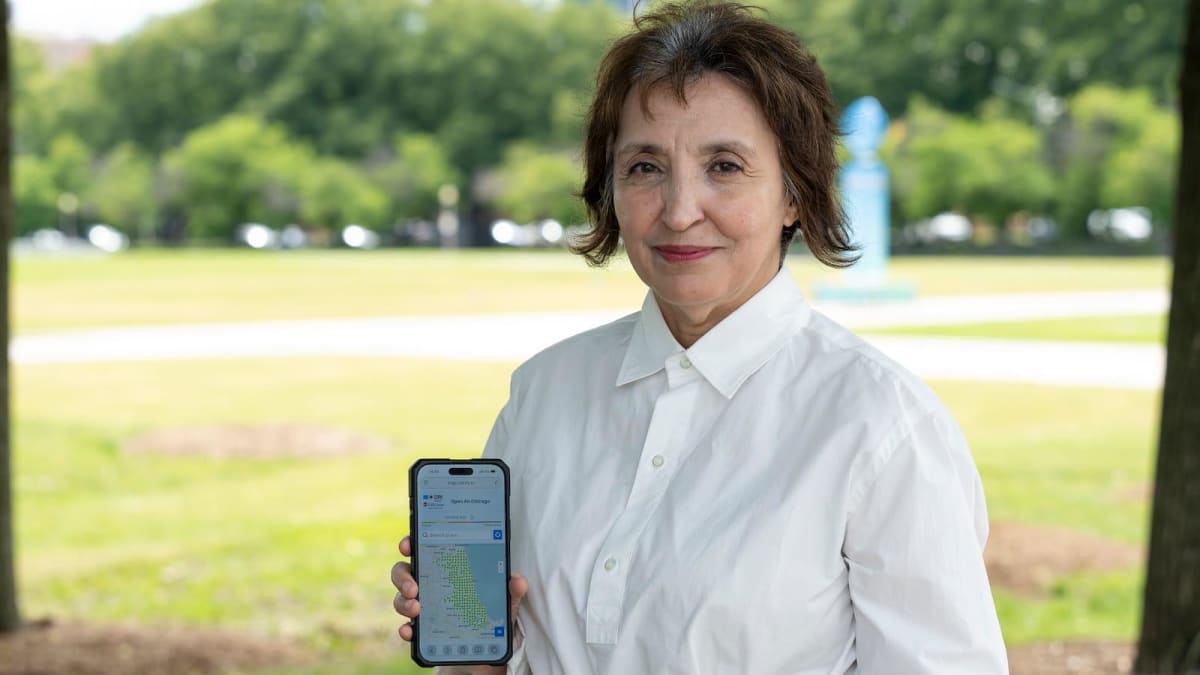
Professor Serap Erdal from the University of Illinois Chicago helped launch the system. Standing in Grant Park on a clear June day, she watched her phone light up with green dots showing safe air quality across most of the city, except for one monitor on the far South Side near industrial zones.
The Ripple Effect
The $4 million monitoring network runs through 2030 and does more than track pollution. Officials plan to use the hyperlocal data to guide decisions about permits, urban planning, and air quality control, potentially preventing future environmental injustices before they happen.
As climate change makes summers hotter and longer, air pollution typically worsens when heat and sunlight react with emissions to form ground-level ozone. The system faces its first full Chicago summer this year, when the data will matter most.
Other cities are already watching Chicago's model, which proves that community advocacy can create lasting change that protects everyone's right to breathe clean air.
More Images

Based on reporting by Grist
This story was written by BrightWire based on verified news reports.
Spread the positivity!
Share this good news with someone who needs it