Chicken Gene Evolved at Lightning Speed, Scientists Find
Texas A&M researchers discovered a pigmentation gene in chickens evolved hundreds of times faster than expected, revealing a new model for how biodiversity develops. The finding could reshape our understanding of evolution across the animal kingdom.
Scientists just uncovered a genetic process in chickens that's rewriting what we thought we knew about how nature creates diversity.
Researchers at Texas A&M University analyzed over 10,000 chicken genomes and found something remarkable. A single gene responsible for feather color evolved at what they're calling "ultrarapid" speed, producing an explosion of patterns and colors in just 8,000 years of breeding.
The gene, called MC1R, controls pigmentation in chickens and many other animals, including humans. Scientists always assumed each feather color came from a single genetic mutation, but this study revealed something far more dynamic.
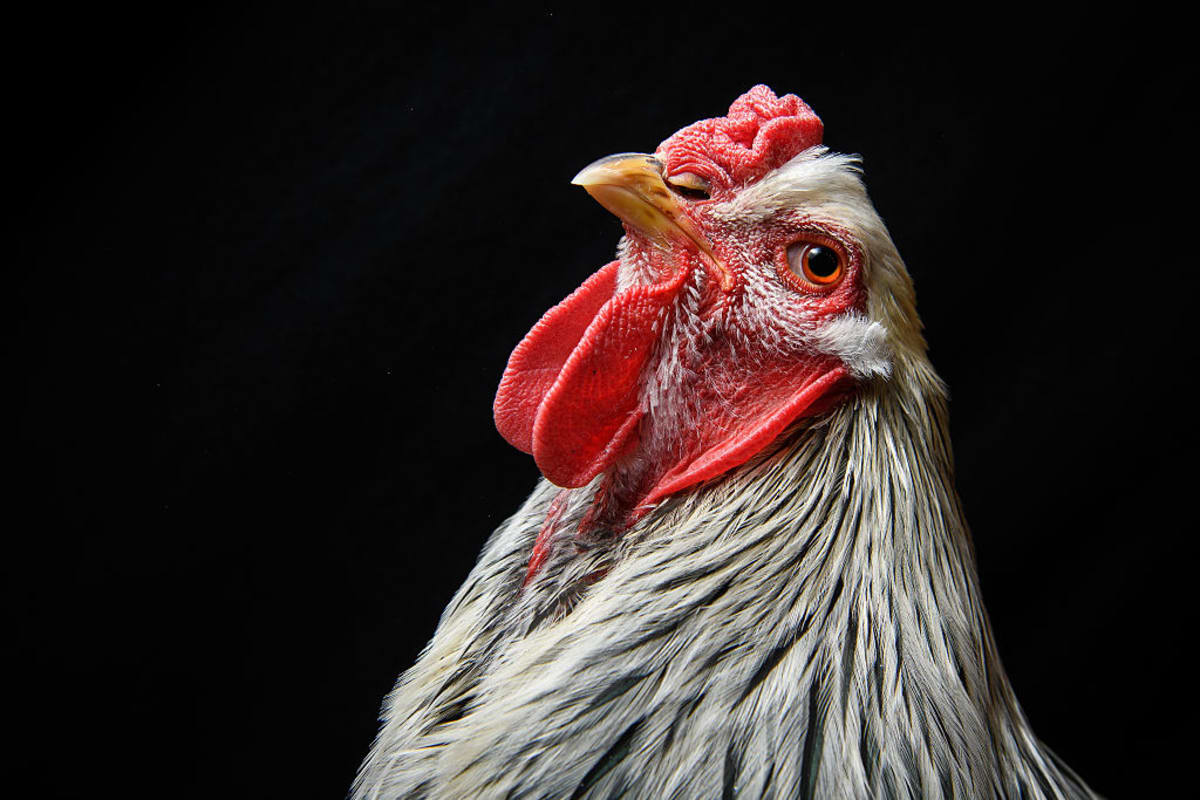
The team identified nine different mutations in MC1R that shuffled together like a deck of cards to create 18 distinct versions of the gene. Those combinations produced the incredible variety of feather colors we see today, from snowy white to jet black to intricate speckled patterns.
"One can say the result of these recombinations is that one plus one equals four rather than just two," said Dr. Leif Andersson, a professor leading the research. When two mutations occur at different spots in the gene, they can recombine to create four variations instead of just two.
This discovery challenges the traditional view of evolution as a slow, steady process. Instead, it shows that nature can generate massive diversity quickly by mixing and matching existing genetic changes.
Why This Inspires
This breakthrough does more than explain why your neighbor's backyard chickens look so different from each other. It opens a window into understanding how all life on Earth develops its stunning variety.
The findings could help scientists understand how rapid environmental changes drive evolution in other species. When nature needs to adapt quickly, this reshuffling mechanism might be a common survival strategy across the animal kingdom.
For poultry breeders, the research provides practical tools to preserve the unique characteristics that define different chicken breeds. But the real excitement lies in what comes next.
Andersson and his team want to explore how common this genetic reshuffling is throughout nature. Could this same process explain rapid adaptation in other animals facing environmental pressures?
The humble chicken, domesticated for millennia, just taught us that evolution can be far more creative and nimble than we imagined.
Based on reporting by Google News - Researchers Find
This story was written by BrightWire based on verified news reports.
Spread the positivity!
Share this good news with someone who needs it