Chile Approves Massive Green Ammonia Project in Magallanes
Southern Chile just gave the green light to one of its largest environmental projects ever: a wind-powered green ammonia facility that could help reshape clean energy production. The unanimous approval marks a major step forward for renewable energy in Latin America.
Chile's Magallanes region unanimously approved a groundbreaking green ammonia project that combines wind power, desalination, and clean fuel production in one massive facility. The August 26th vote by the regional Environmental Assessment Commission clears the path for one of the largest industrial projects ever submitted through Chile's environmental review system.
The project brings together Austrian renewable energy companies AustriaEnergy Group and Ökowind with Danish infrastructure fund Copenhagen Infrastructure Partners. Together since 2021, this international team is betting big on clean energy's future in southern Chile.
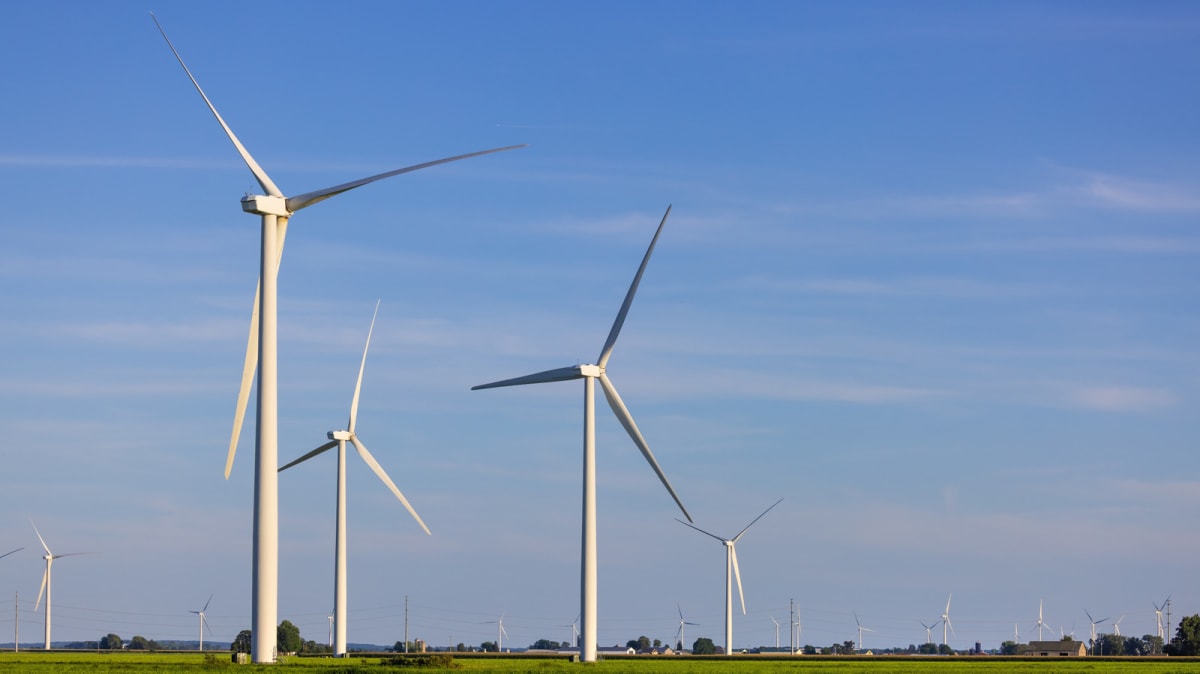
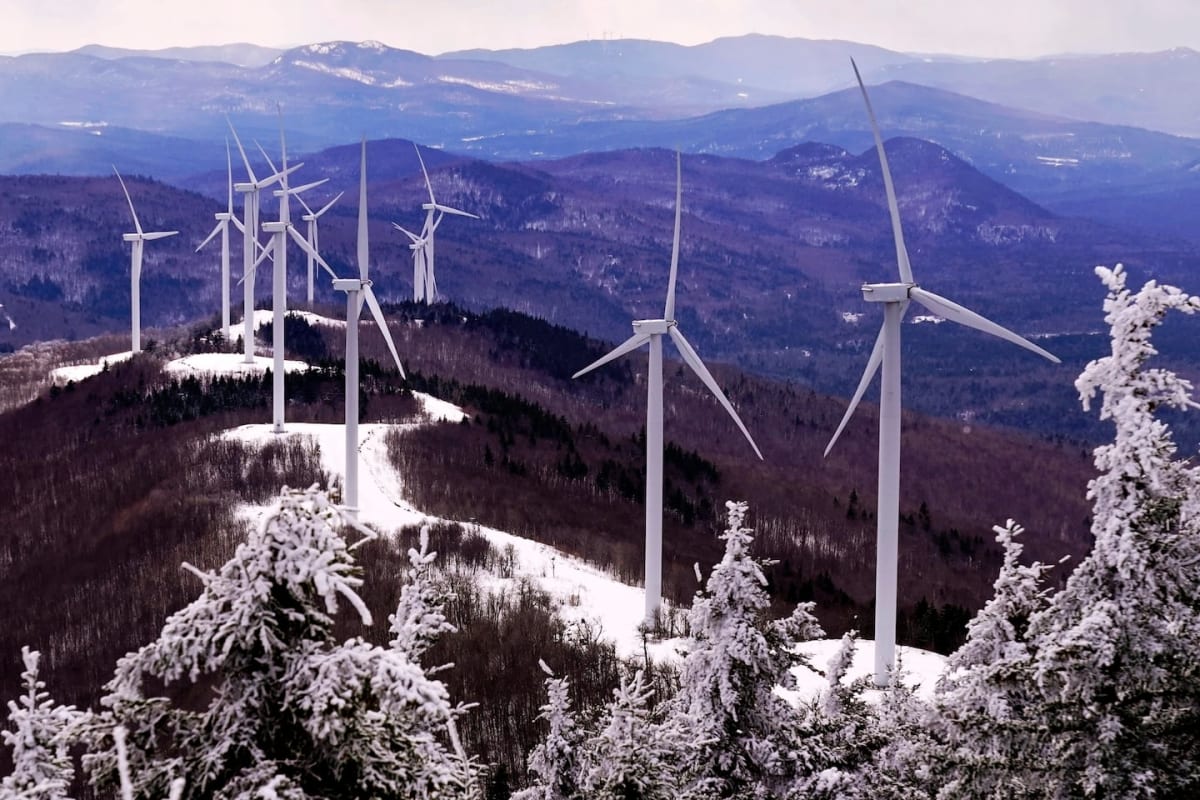
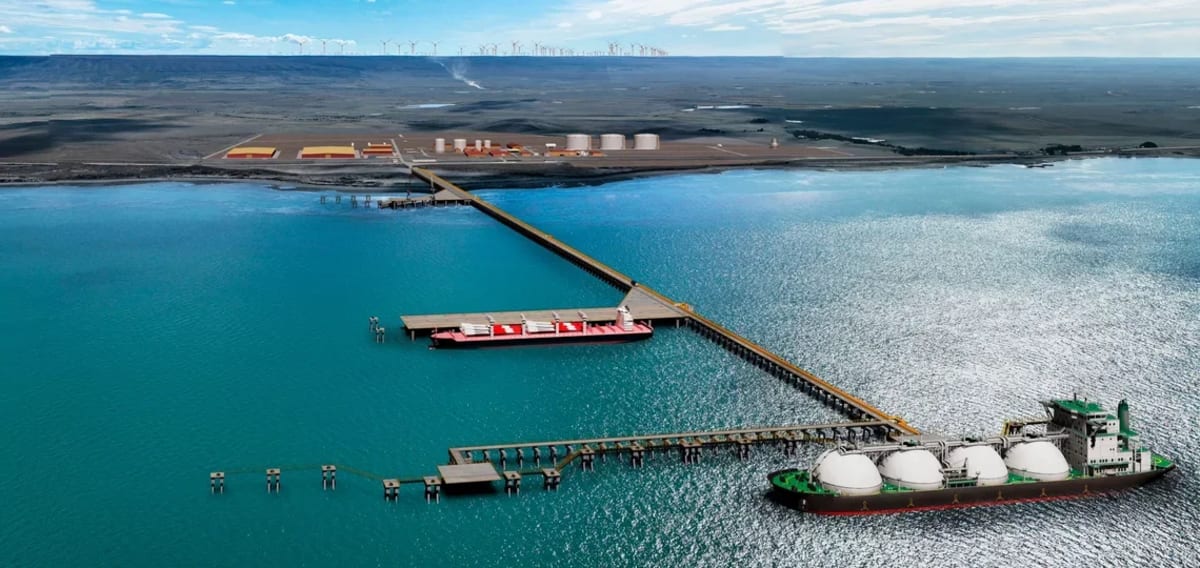
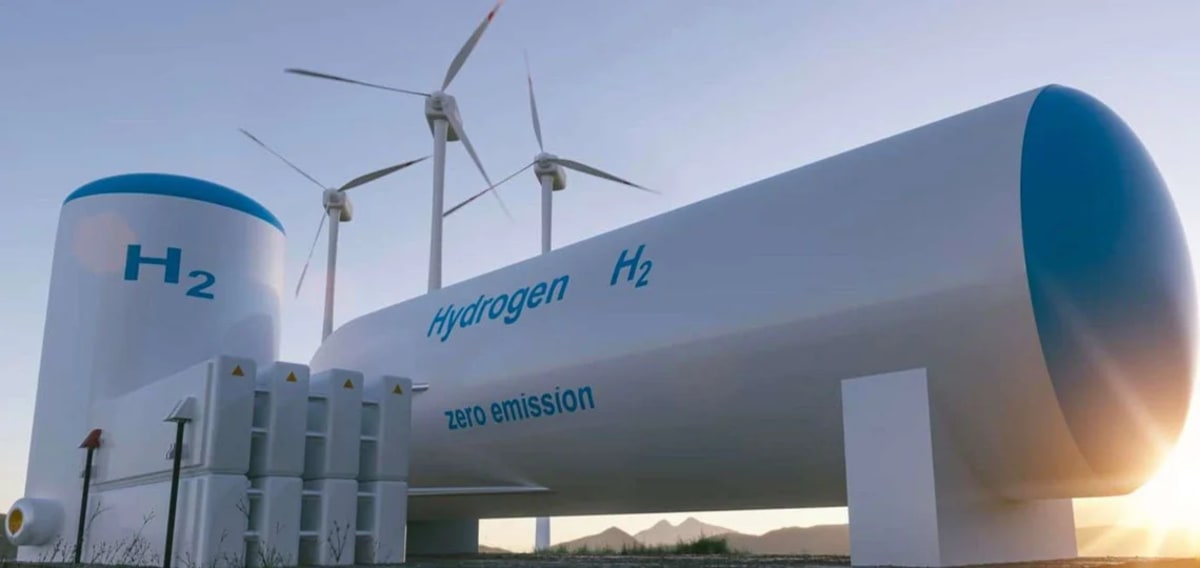
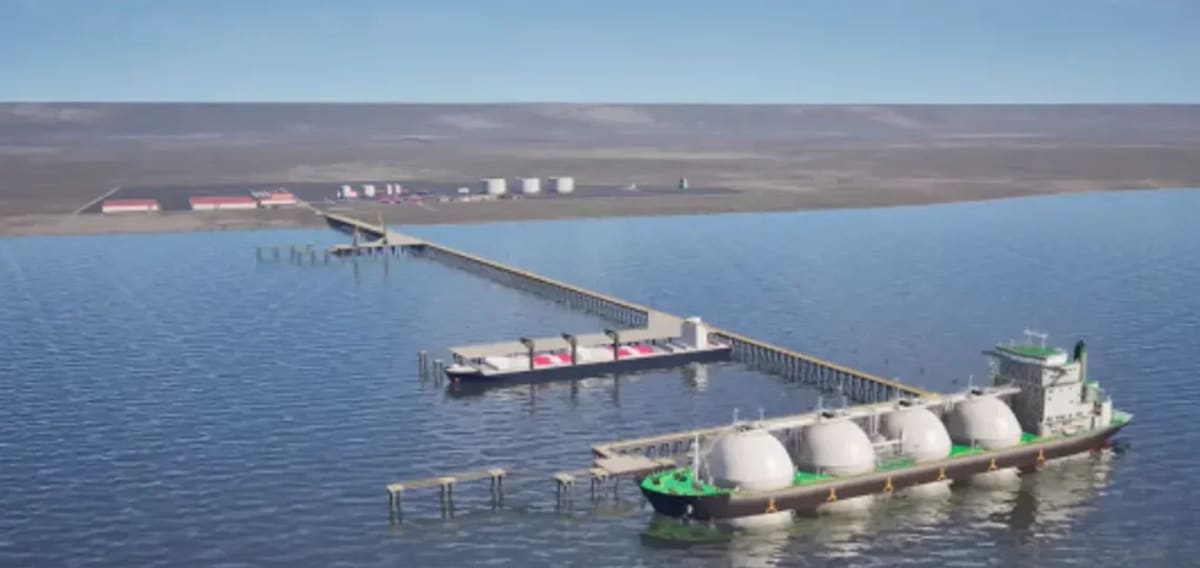
The facility will combine a wind farm, desalination plant, ammonia synthesis facility, and port terminal. Green ammonia, made using renewable energy instead of fossil fuels, can power ships, produce fertilizer, and store energy without carbon emissions.
While HNH Energy, the project developer, reminds everyone that construction won't start immediately, the unanimous approval signals strong regional support for clean energy jobs and infrastructure. The company still needs additional permits and financing, but this vote removes the biggest regulatory hurdle.
The Ripple Effect
This approval reflects growing momentum across Latin America for renewable energy projects that create local jobs while fighting climate change. Magallanes, at Chile's southern tip, has exceptional wind resources that make it ideal for projects like this one.
The project's scale grew significantly since initial planning, showing increased confidence in green hydrogen and ammonia markets. While the global green hydrogen industry faces financial challenges and timeline delays, Chile is positioning itself as a renewable energy leader for the Americas.
The Environmental Assessment Service had recommended approval in its report before the vote. Every commission member supported the project without raising questions during the session.
Some local stakeholders, including the National Monuments Council and a farming estate owner, plan to challenge the decision through administrative appeals. These conversations are part of the normal process for major infrastructure projects and give communities a voice in development decisions.
The project now enters its next phase: securing remaining permits and arranging financing for construction. Success here could inspire similar clean energy investments across the region, creating jobs while helping the world transition away from fossil fuels.
Chile's commitment to renewable energy infrastructure shows what's possible when governments, international partners, and local communities work toward a cleaner future.
More Images
Based on reporting by Google News - Chile Renewable Energy
This story was written by BrightWire based on verified news reports.
Spread the positivity!
Share this good news with someone who needs it