Chile Leads $30B Green Hydrogen Revolution in Latin America
Chile is pushing forward with nearly $30 billion worth of clean hydrogen projects that could transform how the world produces sustainable fuel. Despite economic challenges, the country's ambitious pipeline is weathering a reality check and emerging stronger.
Chile is betting big on the future of clean energy, and the numbers are starting to tell an inspiring story.
The South American nation now has roughly $30 billion worth of green hydrogen and ammonia projects either approved or moving through environmental review. The latest addition is Acuario, a massive $4.7 billion green ammonia plant planned for Chile's windswept Magallanes region that could produce enough sustainable fuel to power shipping fleets worldwide.
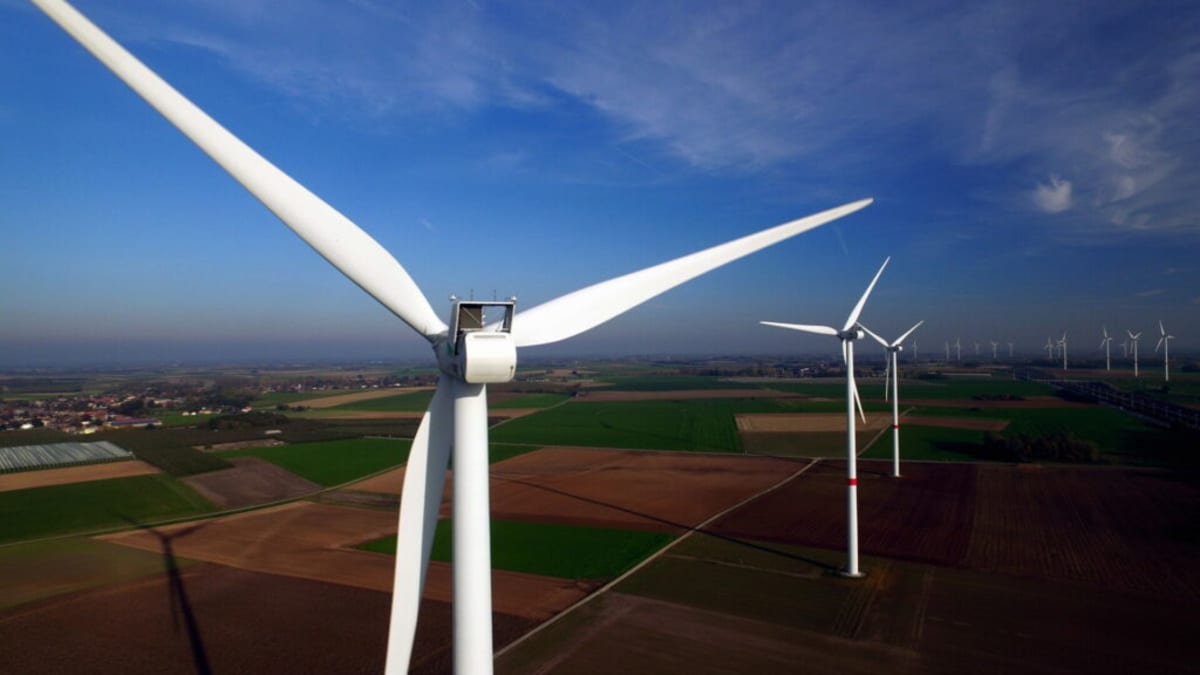
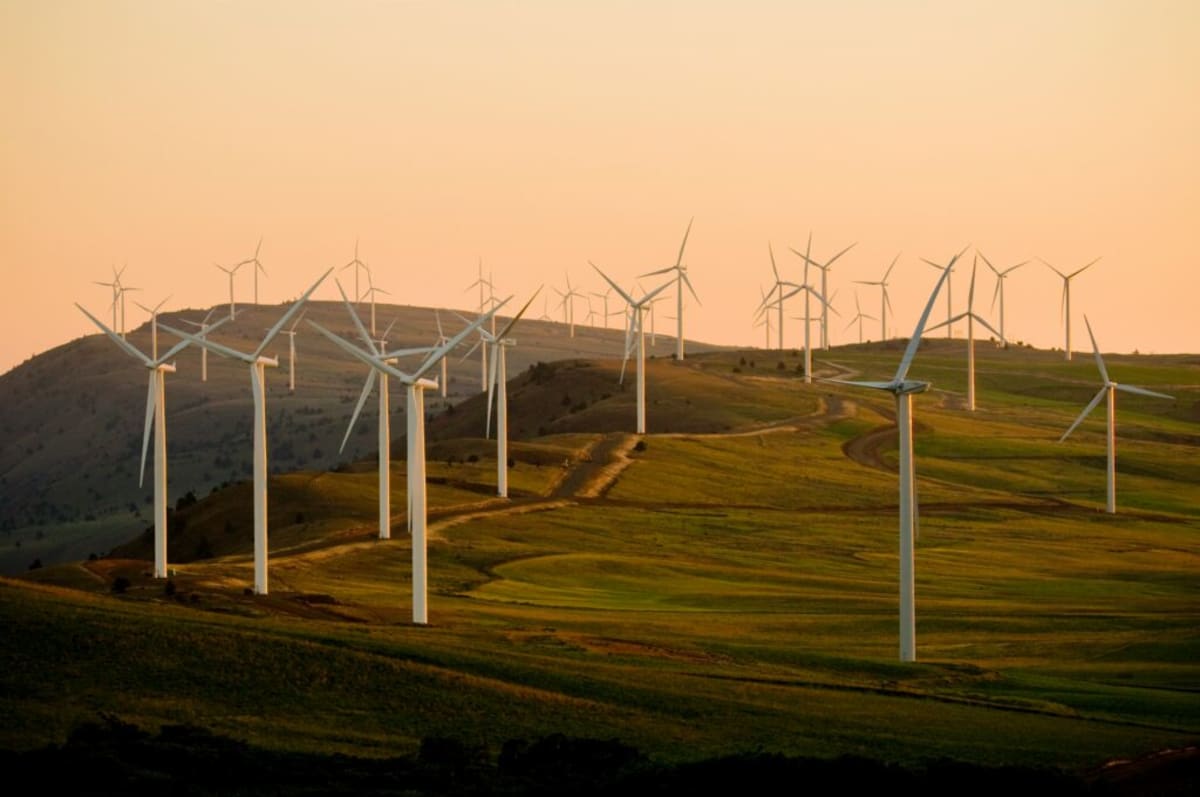
Consorcio Austral just submitted Acuario for environmental approval, joining a growing list of serious contenders. The project would harness Chile's legendary southern winds through a 1.73 gigawatt wind park to create up to 4,100 tons of green ammonia daily, with construction potentially starting by late 2029.
What makes this news particularly hopeful is what's happening behind the scenes. Chile's green hydrogen pipeline has been going through what industry insiders call a "cleaning process." Of the roughly 80 projects initially announced, only the most financially and technically sound initiatives are moving forward.
That's actually good news. Rather than chasing hype, Chile is building something real and sustainable.
Several projects have already cleared major hurdles. MAE's $2.5 billion Volta project in Antofagasta region earned environmental approval and stands as Chile's most advanced large-scale initiative. HIF Global's $830 million Cabo Negro e-fuels plant also got the green light, proving investors see genuine potential in Chile's renewable advantage.
The timing couldn't be better. Recent global fuel supply shocks have exposed the economic and security risks of depending on fossil fuels. Countries are increasingly recognizing that sustainable alternatives aren't just environmentally responsible, they're strategically smart.
Green ammonia has powerful applications beyond just being eco-friendly. Fertilizer producers need it to grow food, and the global shipping industry is preparing to use it as fuel. Ammonia-capable ships are already on order, and ports worldwide are adapting their infrastructure to handle this cleaner alternative.
The Ripple Effect
Chile's hydrogen ambitions could reshape energy markets across Latin America and beyond. The country's unique geography gives it extraordinary advantages: some of the world's strongest winds in the south and intense solar radiation in the north.
These natural gifts position Chile to become a major exporter of clean energy in chemical form. Just as the Middle East built prosperity on oil, Chile could build its next economic chapter on sunshine and wind converted into exportable hydrogen and ammonia.
The challenges are real but solvable. Green hydrogen currently costs more to produce than fossil fuel alternatives, making it harder to secure buyers and financing. But projects like Acuario and HNH Energy (an $11 billion initiative) are exploring cooperation on shared infrastructure to drive costs down.
Chile is also launching finance-focused initiatives specifically designed to help renewable hydrogen projects secure funding and find customers. This coordinated approach between government and private sector shows maturity often missing from clean energy transitions.
For regions worried about climate change but skeptical about economic trade-offs, Chile is writing a different playbook. The country is proving you can pursue aggressive decarbonization while creating genuine economic opportunity.
The road from environmental approval to operational facility remains long and complex, but Chile has already accomplished something significant: transforming abstract clean energy promises into concrete, multi-billion dollar commitments that serious investors are backing with real money.
By 2033, when projects like Acuario could come online, Chile may have built the infrastructure to supply clean fuel to industries that currently have few alternatives. That's the kind of progress the world desperately needs.
More Images



Based on reporting by Google News - Chile Renewable Energy
This story was written by BrightWire based on verified news reports.
Spread the positivity!
Share this good news with someone who needs it