Chile Opens 2,835 GWh Energy Tender to Solar and Batteries
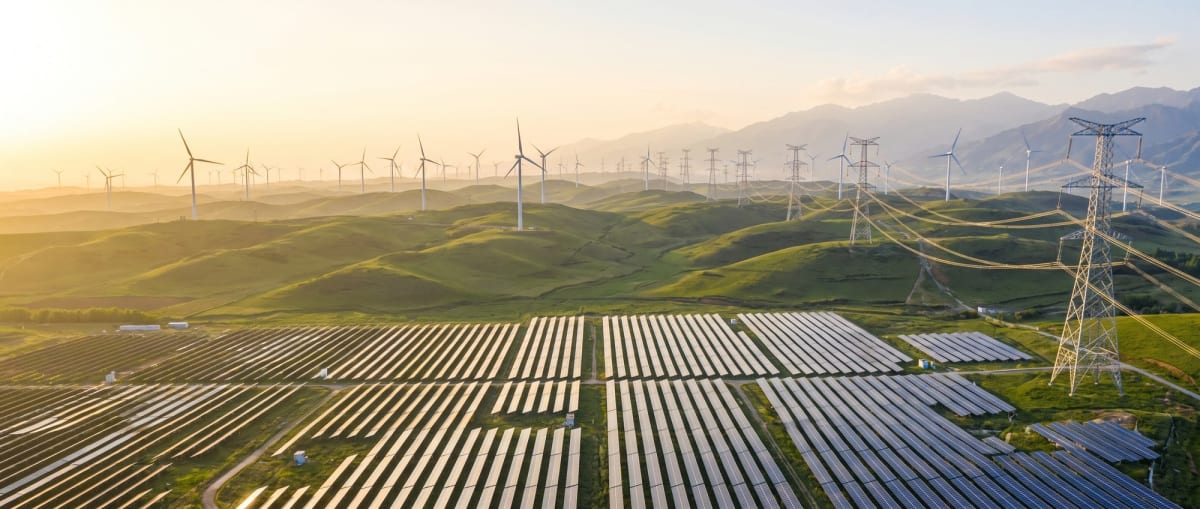
Chile just approved a massive energy tender that welcomes renewable power and battery storage to fuel the country's grid. The 2026 tender blocks coal and diesel while giving solar, wind, and energy storage equal footing to compete.
Chile is betting big on clean energy with a tender that could reshape how millions get their power.
The country's National Energy Commission approved terms for a 2,835 gigawatt-hour annual energy contract starting in 2026. Distribution companies will use this power to serve everyday customers across four zones stretching from Chile's northern deserts to its southern tip.
Here's what makes this different. The tender doesn't pick technology winners or set aside special slots for solar versus wind. Instead, it draws a clear line in the sand by blocking coal, diesel, and heavy fuel oils while keeping the door open to any cleaner alternative.
Solar farms can compete. Wind turbines can compete. Hydropower can compete. Battery storage systems can compete on equal terms for the first time.
Energy storage gets particularly interesting treatment in the rules. Batteries can back supply commitments just like traditional power plants, whether they're already built or still in planning. Bidders pairing solar panels with batteries must report how much energy comes from each part separately, but both count toward meeting contract requirements.
The commission built in smart safeguards too. Renewable projects must calculate their capacity using conservative estimates where there's a 90% chance they'll meet or exceed promised output. Battery calculations can't rely on perfect timing but must assume one charge and discharge cycle daily.
The Ripple Effect spreads across Chile's geography in thoughtful ways. The central zone gets the largest allocation at 1,799 gigawatt-hours split between two blocks, while northern, southern, and far-southern regions each receive proportional shares matching their population and industrial needs. This distribution ensures clean energy reaches communities nationwide rather than clustering in a few sunny or windy spots.
Winners who promise new projects face accountability measures. They must show financial backing, construction progress, and stick to timelines. If delays happen, they need temporary backup from existing facilities to keep the lights on.
Natural gas remains eligible under current rules, giving the tender flexibility during Chile's energy transition. But the explicit welcome mat for storage systems signals where the country sees its grid heading.
Companies have until December 2026 to submit bids, with contract awards coming in January 2027. That timeline gives developers room to assemble financing and partnerships for projects that could operate for years.
Chile is showing how energy policy can phase out the dirtiest fuels while letting innovation compete on merit.
More Images


Based on reporting by Google News - Chile Renewable Energy
This story was written by BrightWire based on verified news reports.
Spread the positivity!
Share this good news with someone who needs it