Chile Opens Massive Clean Energy Tender With Battery Storage
Chile just approved a groundbreaking energy tender that welcomes battery storage as a standalone power source for the first time. The move signals a major shift toward flexible, renewable energy infrastructure across Latin America.
Chile is making a bold bet on the future of clean energy, and batteries are finally getting a seat at the table.
The country's National Energy Commission just approved rules for a massive 2026 supply tender that will secure 2,835 gigawatt hours of annual energy for homes and businesses. For the first time, battery storage systems can compete on equal footing with traditional power plants.
The tender kicks coal, diesel, and heavy fuel oil to the curb while keeping the door open for natural gas and renewables. But the real headline is what it means for energy storage technology.
Battery projects can now bid alone or team up with solar and wind farms in hybrid configurations. Developers can submit existing storage facilities or propose new ones, as long as they connect to Chile's National Electric System and can deliver the goods.
The rules are practical too. Storage bids must calculate energy based on one daily charge and discharge cycle, preventing overly optimistic projections. If a winning project faces delays, developers must line up backup power from existing facilities to keep the lights on.
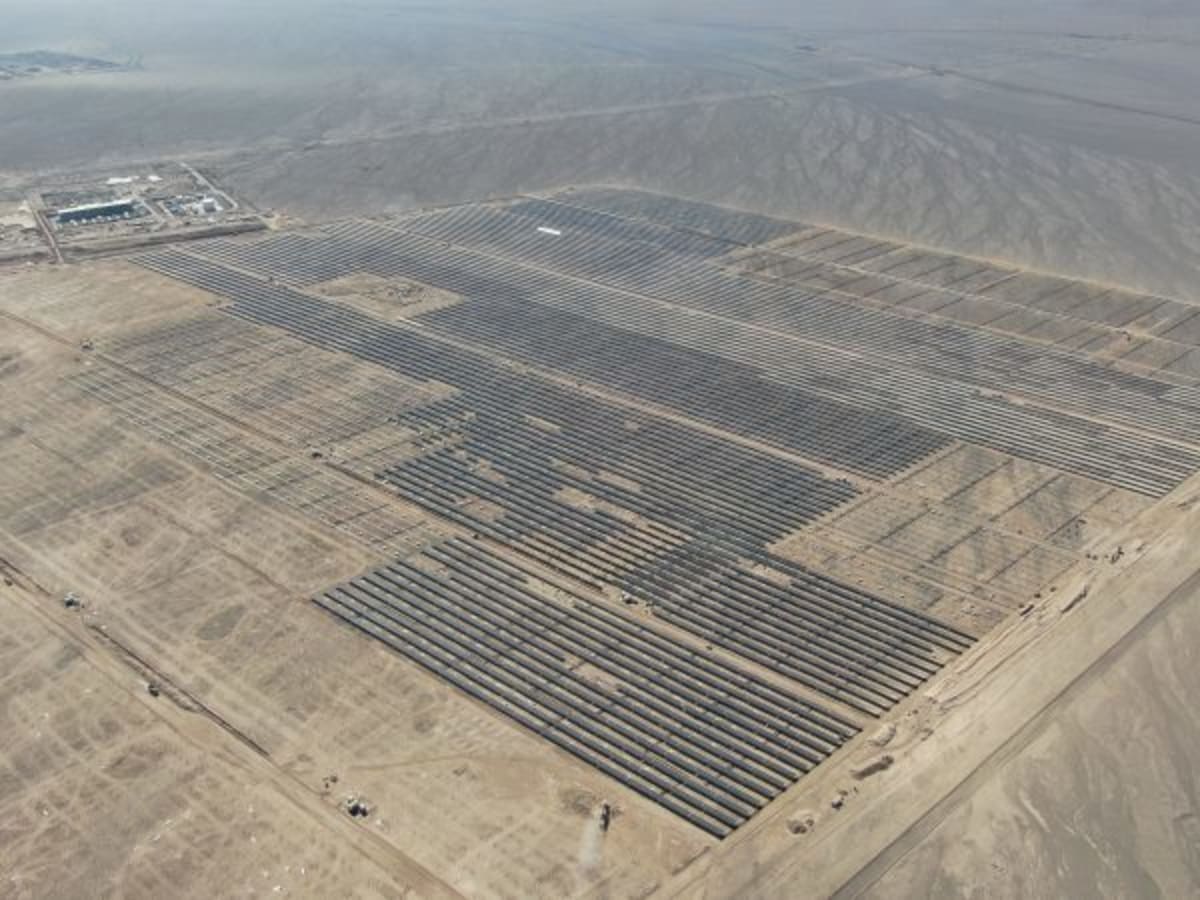
Chile has been quietly building one of the world's most ambitious renewable energy portfolios, with vast solar resources in the Atacama Desert and strong wind potential along its lengthy coastline. This tender represents the next evolution, recognizing that generating clean power is only half the battle. Storing it for when the sun sets and the wind calms is just as crucial.
The Ripple Effect
Chile's approach could become a template for other countries wrestling with renewable energy's intermittency challenge. By treating batteries as viable standalone assets rather than mere accessories to solar and wind farms, the tender acknowledges the grid-balancing role storage plays in a clean energy future.
The timeline gives developers room to prepare. Bids are due in December 2026, with contract awards coming the following month. Projects must hit specific milestones for financing and construction, ensuring winners can actually deliver.
Latin America is watching closely as Chile charts this path forward, proving that ambitious climate goals and reliable power supply can work hand in hand.
Based on reporting by Google News - Chile Renewable Energy
This story was written by BrightWire based on verified news reports.
Spread the positivity!
Share this good news with someone who needs it