Chilean Tugboat Company Wins 3 Awards for Green Operations
A tugboat company operating across Latin America just earned environmental awards in three countries for slashing emissions and running the continent's first electric-powered tug. SAAM Towage's success shows how traditional maritime industries can lead the way on sustainability.
A Chilean tugboat company is proving that going green isn't just good for the planet—it's an achievement worth celebrating across multiple countries.
SAAM Towage, one of the world's largest tugboat operators, recently received environmental excellence awards from Panama, Mexico, and Brazil for dramatically reducing its carbon footprint across Latin America. The company's approach combines smart technology with practical changes that actually work.
In Panama, the Ministry of the Environment presented SAAM with a Level 3 carbon-footprint reduction award in August 2026, recognizing two years of measurable emissions cuts. The company achieved this by carefully tracking every operation and making specific changes to reduce greenhouse gases from their towage activities.
Mexico's recognition went even further. In July, SAAM became the first tugboat company in the country to achieve carbon neutrality, certified under the rigorous ISO 14068-1 standard by DNV. They got there by making their ship towage operations more efficient and investing in environmental projects that offset remaining emissions.
Brazil gave SAAM its golden seal award for the fifth year running under the nation's greenhouse gas protocol program. The company maintained ISO 14001 environmental certification while optimizing fuel consumption across ports and offshore operations.
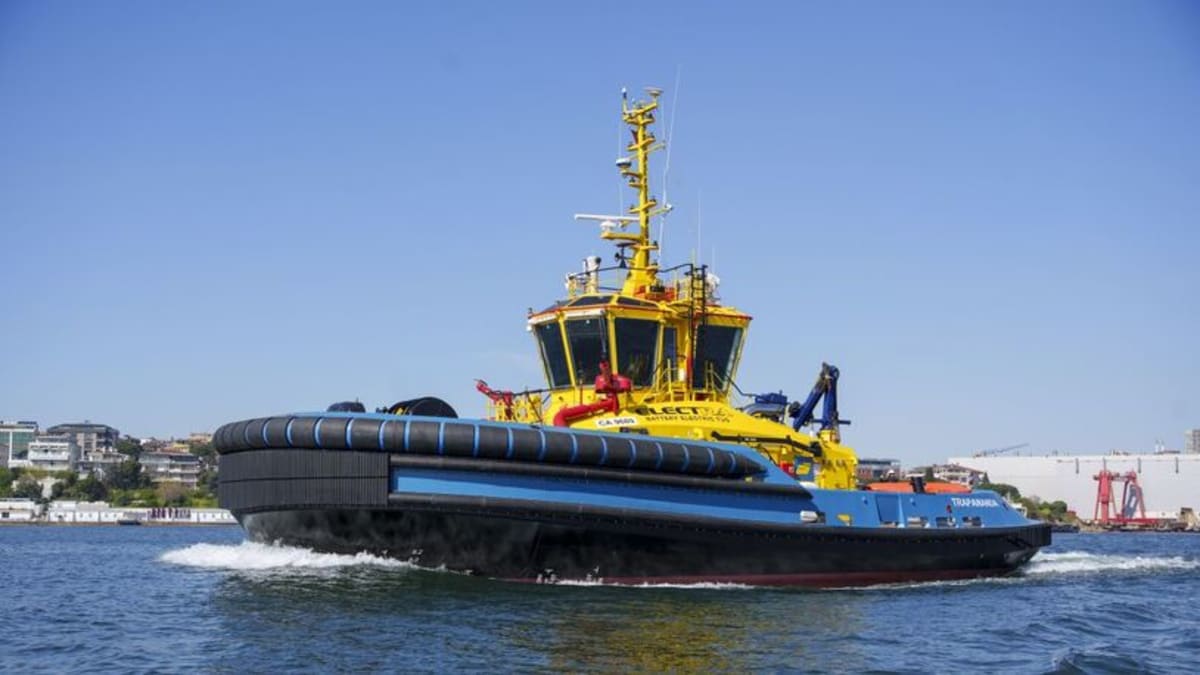
The crown jewel of SAAM's green fleet is Trapananda, Latin America's first battery-powered tugboat. Operating for a full year now at an energy terminal in southern Chile, the electric tug produces zero emissions and far less underwater noise than traditional vessels.
The Ripple Effect
SAAM isn't stopping at awards and one electric boat. In early August, the company launched a comprehensive biodiversity plan that addresses underwater noise pollution, biofouling, and protection of sensitive marine areas near their operations.
"We are translating our sustainability commitments into a roadmap with measurable actions," said Mayra Kohler, SAAM's chief of corporate affairs. The plan integrates conservation directly into the company's day-to-day operating model, creating lasting change beyond simple compliance.
The company's success demonstrates something important for maritime industries worldwide. Traditional heavy industries don't have to choose between profitable operations and environmental responsibility. SAAM's teams prove that sustainability can be baked into core business practices while creating value for communities, customers, and the environment simultaneously.
What started with measuring and monitoring emissions evolved into shore power connections, energy storage systems, and operational optimizations that reduced fuel consumption across an entire fleet operating in multiple countries. Each improvement built on the last, creating momentum toward carbon neutrality.
Latin America's shipping industry now has a working model for sustainable tugboat operations that other companies can follow.
Based on reporting by Google News - Emissions Reduction
This story was written by BrightWire based on verified news reports.
Spread the positivity!
Share this good news with someone who needs it