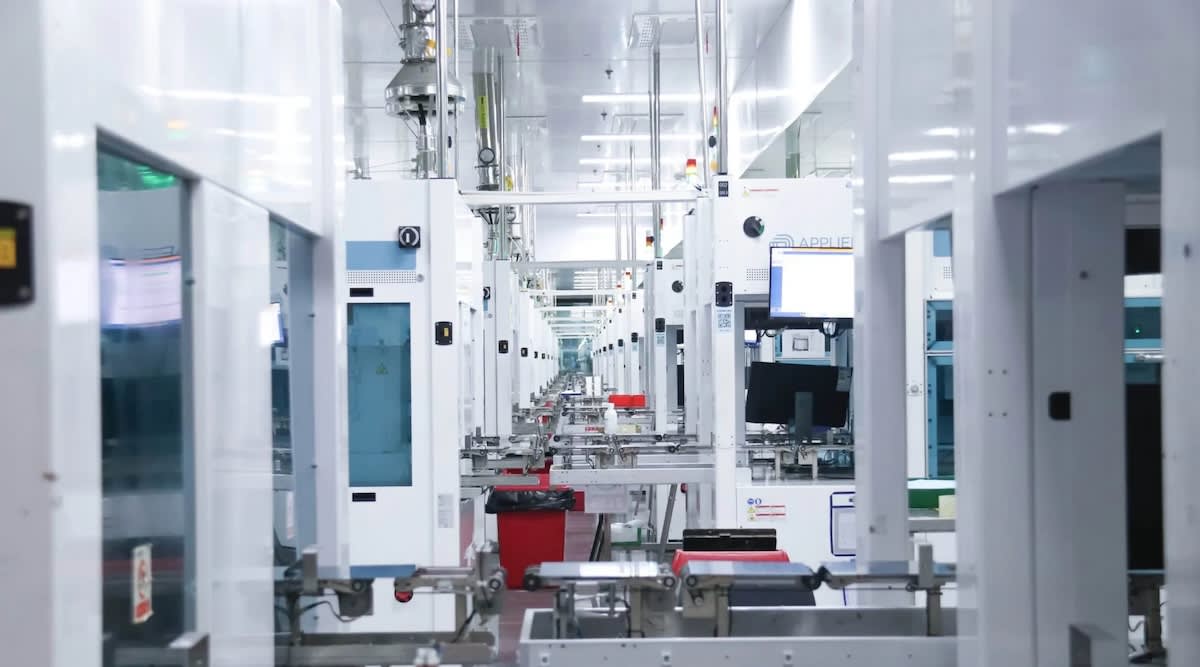
Chile's 228 MW Battery Project Shows Brazil Clean Energy Path
Brazilian energy leaders visited Chile's massive battery storage facility to learn how the South American nation is solving one of renewable energy's biggest challenges. The Diego de Almagro Sur II project stores enough solar power to supply over 55,000 homes.
Chile just became the classroom where Latin America is learning to master clean energy storage.
Representatives from Brazil's National Electric System Operator and energy company Eneva traveled to Chile's Atacama Region in May 2026 to see firsthand how battery technology is helping the country handle its renewable energy boom. The visit focused on the Diego de Almagro Sur II project, one of Chile's most ambitious energy storage initiatives.
The numbers tell an impressive story. The facility boasts 228 megawatts of power output and can store 912 megawatt-hours of energy. That's enough to capture excess solar energy during sunny days and deliver it back to the grid when families need it most, powering the equivalent of more than 55,000 households.
What makes this project special is its Grid Forming technology, which helps stabilize electrical systems even as they shift away from traditional power sources. Chile has positioned itself as what experts call a "natural laboratory" for large-scale renewable integration, and the results are teaching neighboring countries valuable lessons.
The Brazilian delegation started their technical visit in Santiago, meeting with Chile's National Electric Coordinator to discuss the challenges of integrating renewable energy into existing power grids. Both teams shared experiences and strategies for managing the global energy transition.
The Ripple Effect
This knowledge exchange represents something bigger than one country helping another. As Latin America races to adopt renewable energy, the solutions developed in Chile's desert are becoming blueprints for the entire region.
The technology itself operates with impressive efficiency, reaching up to 99.45% in converting stored energy back to usable power. The system uses lithium iron phosphate batteries with advanced cooling systems designed for long-term reliability in harsh conditions.
César Novoa, Colbún's solar projects and batteries manager, emphasized the infrastructure's importance: "This allows renewable energy to be stored and delivered when it is needed most, strengthening a more flexible, efficient matrix better prepared for the challenges of the future."
Energy storage has emerged as the missing piece in the renewable energy puzzle across Latin America. While solar and wind power have become increasingly affordable, storing that energy for use during peak demand hours or cloudy days remained a challenge. Projects like Diego de Almagro Sur II prove the technology is ready for prime time.
The visit happens as Brazil prepares its own battery storage auction, with plans to contract both integrated and standalone projects. The lessons learned in Chile's Atacama desert will directly inform how Brazil designs and operates its own facilities.
Countries across the region are watching these developments closely, knowing that mastering energy storage means unlocking the full potential of their abundant renewable resources while keeping electricity flowing reliably to millions of homes and businesses.
More Images


Based on reporting by Google News - Chile Renewable Energy
This story was written by BrightWire based on verified news reports.
Spread the positivity!
Share this good news with someone who needs it