Chile's First Electric Port Crane Cuts 160K kg CO₂ Yearly
A massive electric container crane just started moving shipping containers in Chile without burning a single drop of diesel. This first-of-its-kind machine will eliminate 60,000 liters of fuel and 160,000 kilograms of CO₂ emissions every year.
A gleaming new electric crane at Chile's Lirquén Port is proving that even the biggest, heaviest industrial machines can ditch diesel for good.
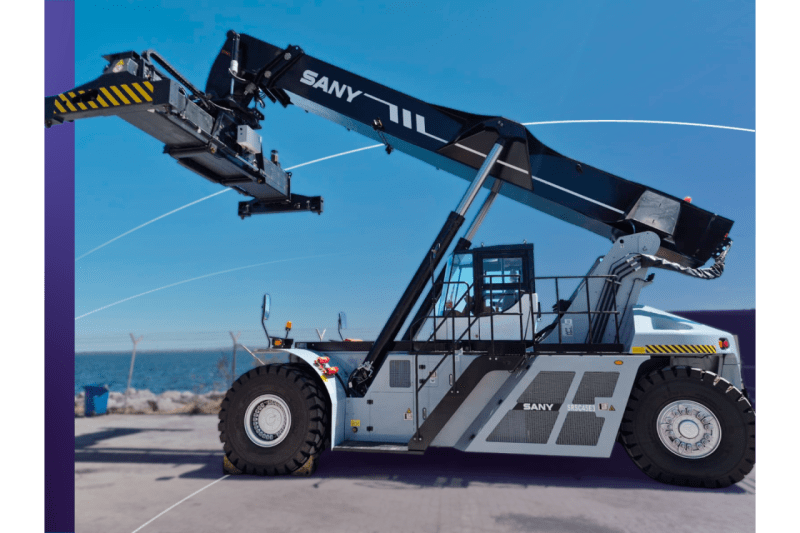
DP World just launched Chile's first fully electric reach stacker, a specialized 45-ton crane that lifts and stacks massive shipping containers. This single machine will save 60,000 liters of diesel fuel annually while preventing 160,000 kilograms of carbon dioxide from entering the atmosphere.
Reach stackers have always been diesel guzzlers. Their enormous size and power demands made electrification seem nearly impossible until recently.
The game changer? Modern lithium-ion batteries paired with fast-charging technology. The new SANY SRSC45E3 model can recharge quickly during shift changes and downtime, keeping productivity high without the lengthy charging times that plagued older battery systems.
No more battery swaps or equipment sitting idle for hours. The crane simply plugs in, charges up, and gets back to work.
The environmental wins extend beyond emissions. Electric motors run far quieter than diesel engines, reducing noise pollution for port workers and nearby communities who've endured the constant rumble of heavy machinery.
The Ripple Effect
This isn't just about one crane. DP World operates all its Chilean terminals on 100% renewable electricity sourced from hydroelectric plants.
In 2021, the company became the first port operator in South America to receive renewable energy certification. That foundation made this electric equipment transition possible.
To support the new crane, DP World upgraded electrical infrastructure at Lirquén, including enhancements to charging substations. These improvements create capacity for more electric machinery in the future.
As additional diesel-powered equipment gets replaced over time, those emission reductions will multiply. What starts as 160,000 kilograms of avoided CO₂ from one machine could eventually grow to millions as fleets electrify.
The technology proves that heavy industry can transition away from fossil fuels without sacrificing power or productivity. Port operations require massive lifting capacity and constant uptime, yet this electric solution delivers both while running cleaner and quieter.
Chile's renewable energy grid makes the impact even stronger. Every kilowatt powering this crane comes from clean hydroelectric sources, creating a truly zero-emission operation from energy generation through container handling.
Other ports watching this milestone now have a working model showing that full electrification of heavy-duty equipment isn't just possible but practical and this breakthrough marks real progress toward cleaner global shipping infrastructure.
More Images

Based on reporting by Google News - Chile Renewable Energy
This story was written by BrightWire based on verified news reports.
Spread the positivity!
Share this good news with someone who needs it