China Achieves Quantum Computing Breakthrough with Silicon-28
China just cracked a major challenge in quantum computing by producing ultra-pure silicon at scale for the first time. The breakthrough means more stable, powerful quantum computers could be on the horizon.
China just solved one of quantum computing's trickiest material problems, bringing the world closer to computers that can tackle challenges beyond today's wildest supercomputers.
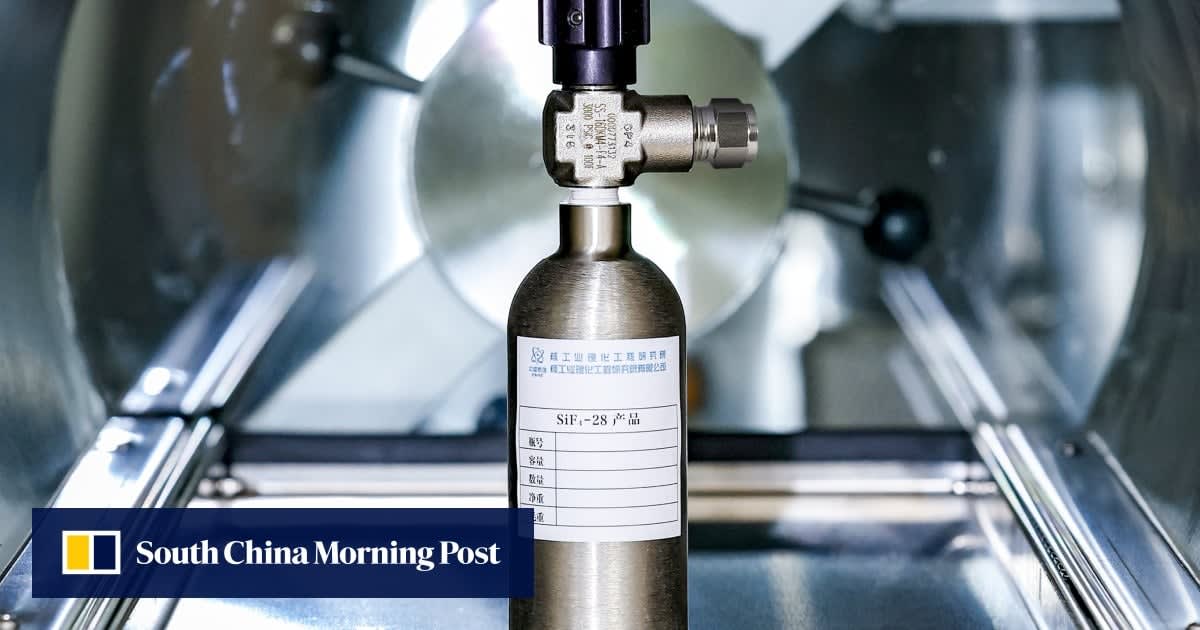
State-owned China National Nuclear Corporation announced this week that its researchers successfully mass-produced silicon-28, an ultra-pure form of silicon critical for building quantum computers. The isotope achieved a purity level above 99.99 percent, marking China's first independent, large-scale production of this specialized material.
Until now, only a handful of producers in Russia, Europe, and US-linked supply chains could make this material. China's breakthrough breaks that bottleneck and could accelerate quantum computing development worldwide.
So why does this particular form of silicon matter so much? Regular silicon powers our smartphones and laptops just fine, but quantum computers need something far more refined.
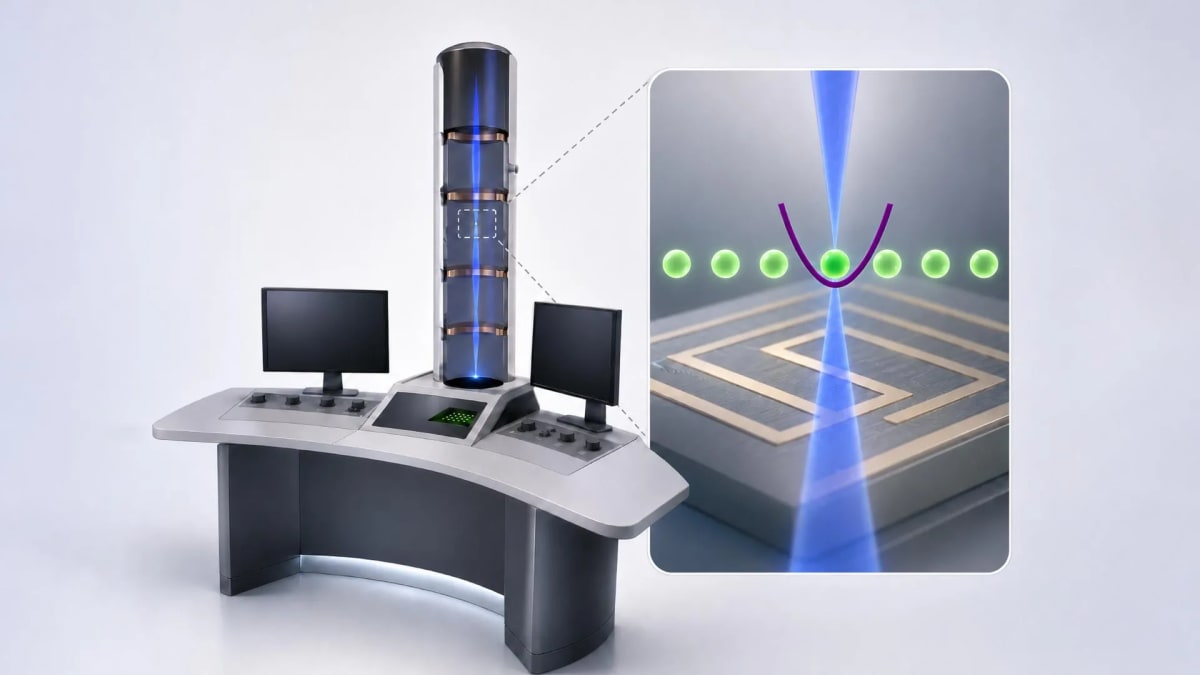
Traditional computers process information as bits, zeros or ones. Quantum computers use qubits, which can be both zero and one simultaneously, letting them solve complex problems at breathtaking speeds. The catch is that qubits are incredibly fragile.
Natural silicon contains different isotopes that create magnetic interference, essentially "noise" that scrambles qubits and causes them to lose data. Silicon-28 is different. This stable isotope creates an "ultra-quiet" environment where qubits can maintain their quantum state far longer, which is essential for building computers that actually work.
The Ripple Effect
This development extends beyond national competition in advanced technology. Quantum computers promise revolutionary advances in drug discovery, climate modeling, artificial intelligence, and solving optimization problems that stump today's best machines.
More producers of critical quantum materials means more research teams worldwide can access what they need. When supply chains diversify, innovation accelerates. Labs that previously struggled to obtain ultra-pure silicon now have another potential source.
The achievement also demonstrates how focused investment in fundamental materials science pays dividends. Quantum computing has tantalized researchers for decades, but progress depends on solving unglamorous problems like isotope purification alongside the flashier work of qubit design.
China's success in mass production specifically matters because quantum computers will need substantial quantities of ultra-pure silicon to scale from laboratory curiosities to practical machines. Small batches work for experiments, but building functional quantum computers requires reliable, large-scale supply chains.
The quantum computing race continues heating up globally, with researchers in dozens of countries pursuing different approaches to build stable, scalable systems. Today's breakthrough represents one more piece of the puzzle falling into place, bringing us closer to a future where quantum computers tackle problems currently beyond reach.
More Images
Based on reporting by South China Morning Post
This story was written by BrightWire based on verified news reports.
Spread the positivity!
Share this good news with someone who needs it
%2Fhttps%3A%2F%2Ftf-cmsv2-smithsonianmag-media.s3.amazonaws.com%2Ffiler_public%2F3a%2F70%2F3a7012b6-f877-41a0-a0ee-fc2251c68db7%2Fsmithsonian_feature_images_17.png)