China Aims for Space Tourism Flights by 2028
A Beijing startup is taking reservations for suborbital space trips that will let passengers experience weightlessness above Earth. The company just unveiled its full-scale crew capsule and signed its first celebrity passenger.
Space tourism is coming to China, and ordinary people might soon experience what only astronauts have known for decades.
InterstellOr, a Beijing-based company founded in 2023, is preparing to launch its first crewed suborbital flights in 2028. The startup just unveiled a full-scale test version of its CYZ1 passenger capsule on January 22 and successfully completed landing buffer tests.
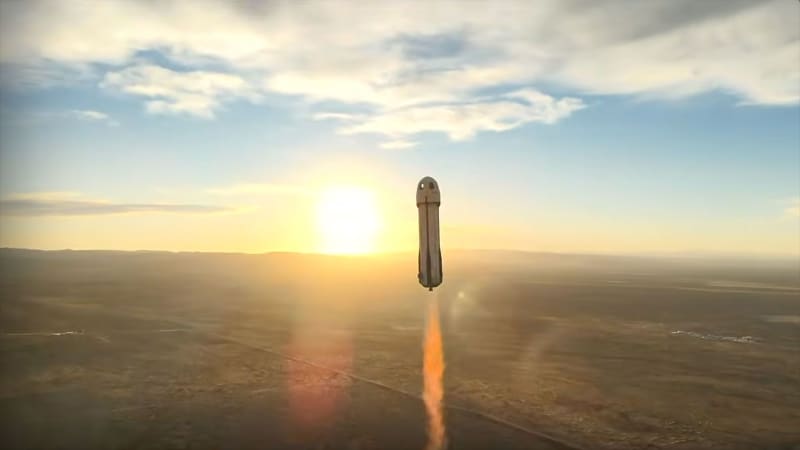
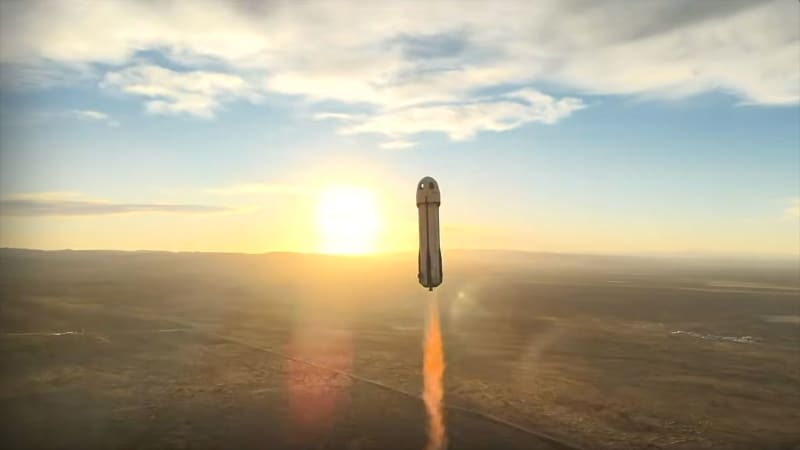
The capsule will carry passengers above the Kármán Line, 62 miles above Earth, where they'll experience several minutes of weightlessness. It's the same concept that Blue Origin has pioneered with its New Shepard vehicle in the United States.
Chinese actor Johnny Huang Jingyu has already booked his seat as passenger 009, making him the company's first celebrity space tourist. Tickets are priced at approximately $430,000, with a 10% deposit required for reservations.
The company's core team includes veterans from China's state-run human spaceflight program, bringing decades of expertise to the commercial venture. Their experience helps bridge the gap between government space exploration and private tourism.
The Ripple Effect
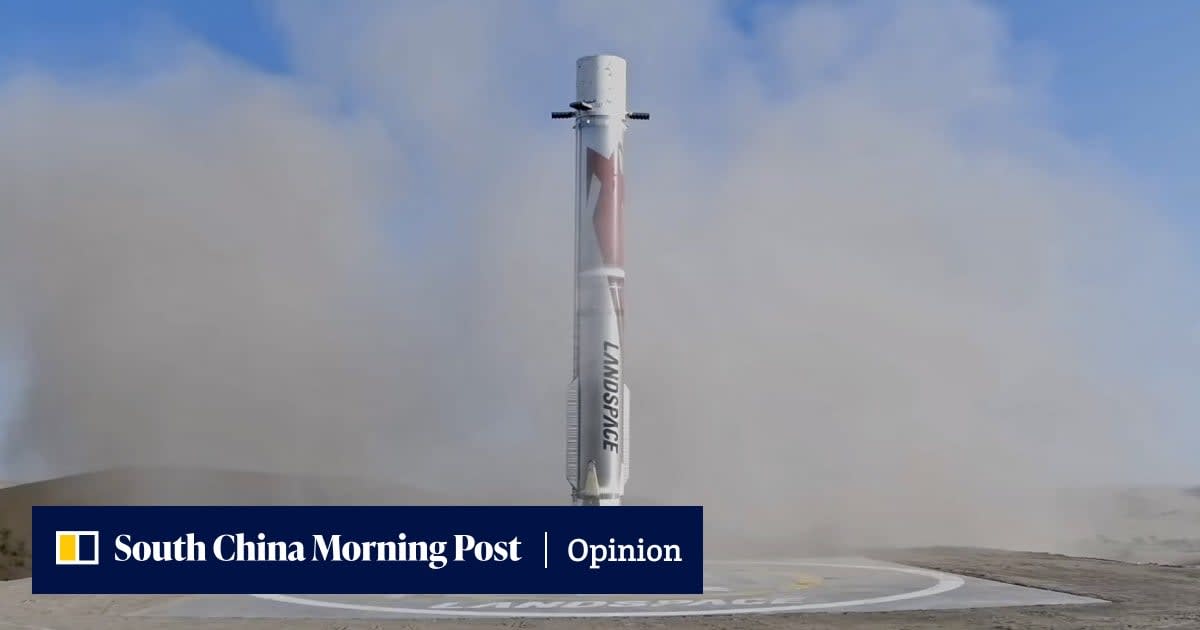
InterstellOr isn't alone in this mission. Two other Chinese companies, CAS Space and Deep Blue Aerospace, are developing their own suborbital tourism programs. CAS Space successfully tested an uncrewed capsule earlier in January.
This emerging competition mirrors the Western space tourism industry, where multiple companies are working to make space accessible beyond government astronauts. The more companies enter the field, the more innovation drives costs down and safety standards up.
For China's growing middle class, space is becoming less of a distant dream and more of an achievable bucket list item. The poet Lin Xiaoyan, a Chinese-American, is set to become the first overseas Chinese female astronaut through InterstellOr's program.
The company's timeline depends on completing development, testing, and certification requirements. But the fact that they're already taking deposits shows confidence in their technology and business model.
What seemed impossible just decades ago is becoming routine: private citizens floating above Earth, seeing the curve of our planet against the darkness of space.
More Images


Based on reporting by Space.com
This story was written by BrightWire based on verified news reports.
Spread the positivity!
Share this good news with someone who needs it