China Lands Rocket Like SpaceX, Cuts Space Costs
China just successfully landed and recovered a rocket booster for the first time, joining SpaceX in a breakthrough that could slash the cost of reaching space. The achievement opens new doors for affordable satellite launches and space exploration across Asia.
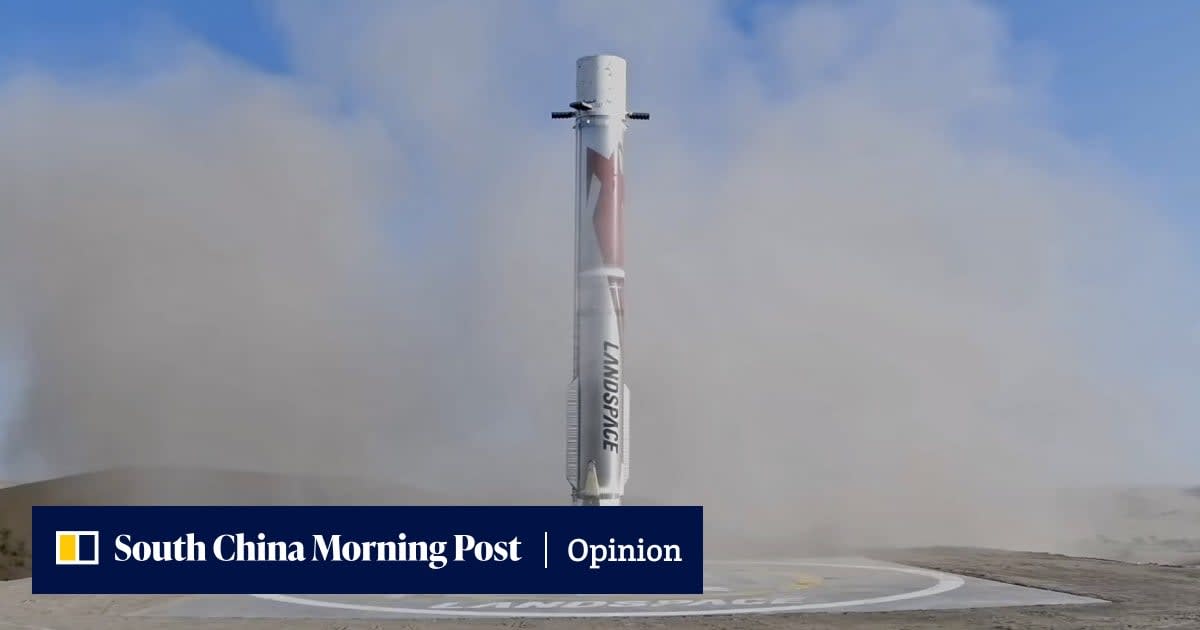
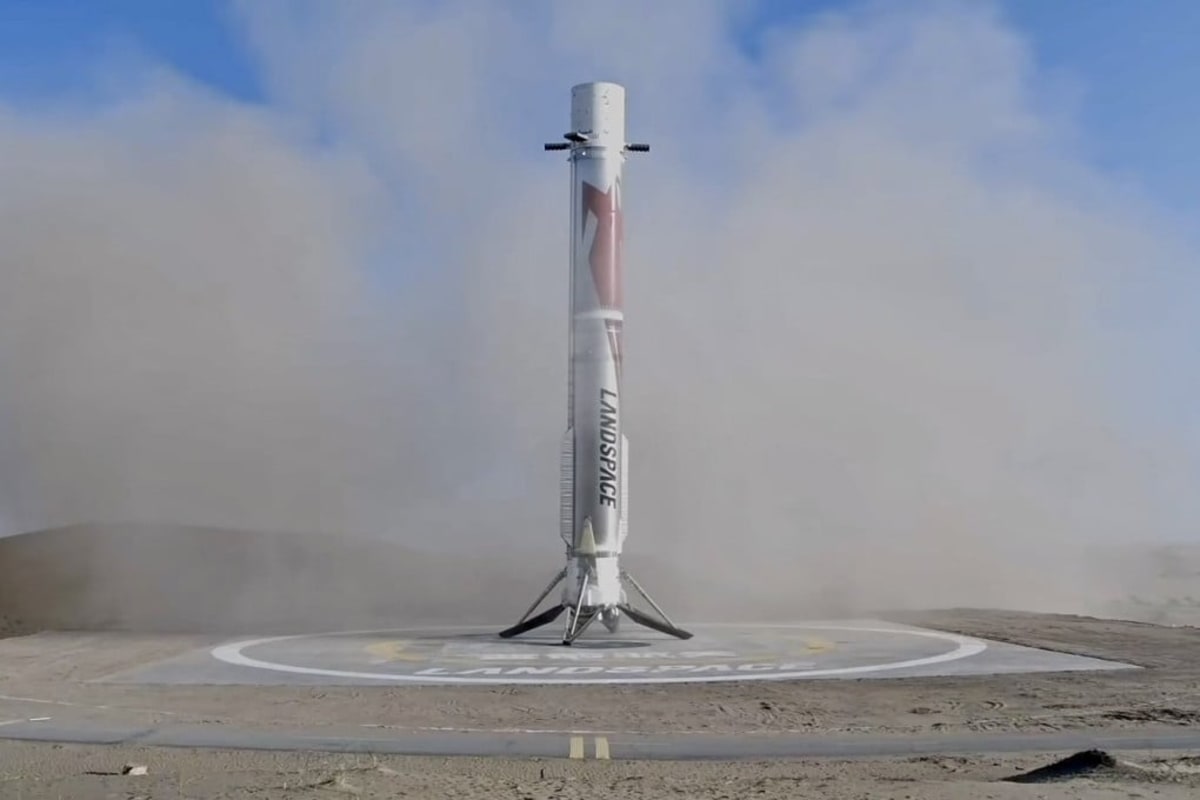
On August 19, China made space history when a commercial rocket touched down gently on land after delivering its payload to orbit. The LandSpace Zhuque-3 became the first Chinese rocket to successfully complete this feat, matching a milestone previously achieved only by American company SpaceX.
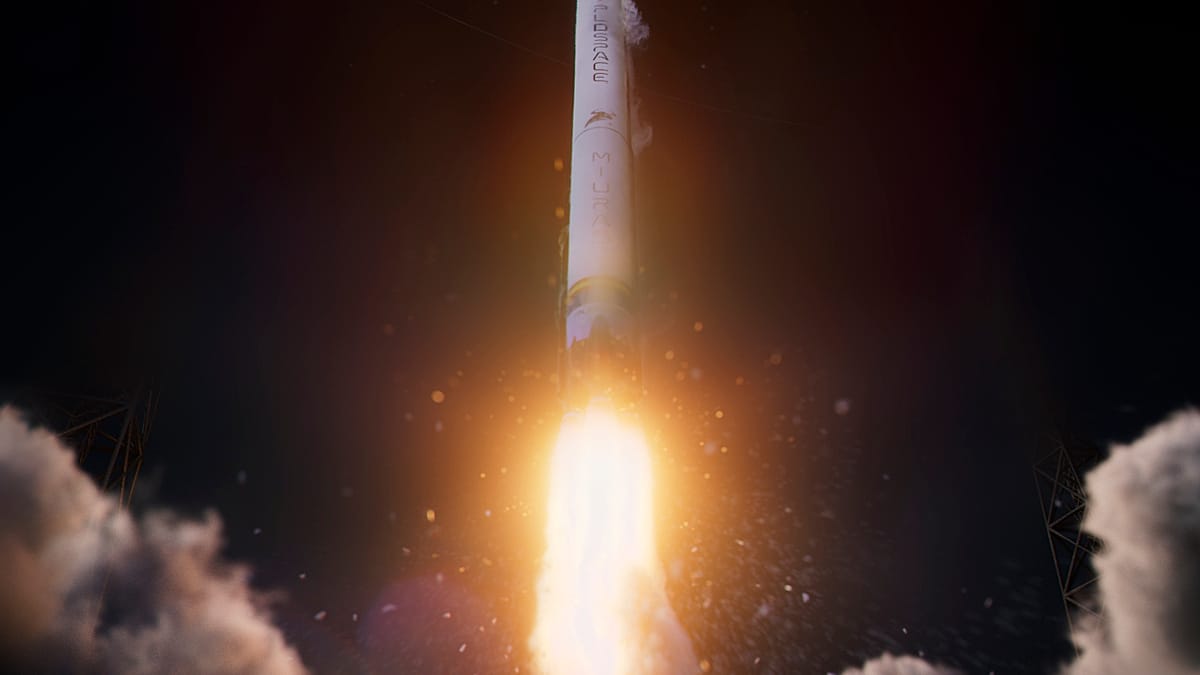
The 66-meter rocket lifted off from the Dongfeng Commercial Space Innovation Test Area, deployed its cargo into orbit, then guided its first stage booster back to a landing site in Gansu province. Deployable legs cushioned the touchdown, preserving the expensive hardware for future flights.
This wasn't China's only recovery breakthrough last summer. Just six weeks earlier, a state-owned aerospace company caught a different rocket stage using giant nets in the ocean. Two successful recovery methods in less than two months signals serious momentum in China's commercial space sector.
The Ripple Effect
Reusable rockets change everything about the economics of space. SpaceX's reusable Falcon 9 rockets now cost about $2,700 per kilogram to launch, down 85% from the $18,500 average before rocket reusability became reality. Chinese launch prices currently hover between $8,000 and $14,000 per kilogram, but the Zhuque-3 is designed to close that gap.
The rocket's engineers made smart choices to keep costs down. Instead of expensive aluminum alloy, they built the booster from stainless steel, which handles heat better and costs less to manufacture. The first stage runs on nine methane-liquid oxygen engines and is designed to fly at least 20 times.
Lower launch costs mean more opportunities for universities, research institutions, and businesses across Hong Kong and Asia to afford their own satellite missions. Weather monitoring, communications networks, and scientific research that once required government-scale budgets could become accessible to commercial ventures and academic teams.
The technology gap with SpaceX remains real. A Zhuque-3 engineer candidly acknowledged in 2024 that China might match Falcon 9 capabilities in five years and SpaceX's even larger Starship in 20 years. But honest assessment coupled with rapid progress suggests the gap is narrowing faster than many expected.
Hong Kong's financial markets, research universities, and emerging tech hubs in the Northern Metropolis now have a clearer path to participate in the commercial space economy unfolding on their doorstep.
More Images

Based on reporting by South China Morning Post
This story was written by BrightWire based on verified news reports.
Spread the positivity!
Share this good news with someone who needs it