China Approves AI That Cuts Genetic Testing Time by 67%
A breakthrough AI system just received the world's first top-tier approval for analyzing chromosomes, slashing diagnosis time from 34 minutes to 11 and cutting report waits from a month to a week. The technology could transform prenatal care and fertility treatment for millions of families.
Couples waiting anxiously for genetic test results during pregnancy may soon get answers in days instead of weeks, thanks to a groundbreaking AI system that just passed the world's toughest medical device approval.
Hangzhou Diagens Biotechnology announced on May 22 that its AI AutoVision system received Class III certification from China's National Medical Products Administration. This is the highest possible regulatory approval for medical devices in China and the first time any AI system analyzing chromosome images has achieved this distinction globally.
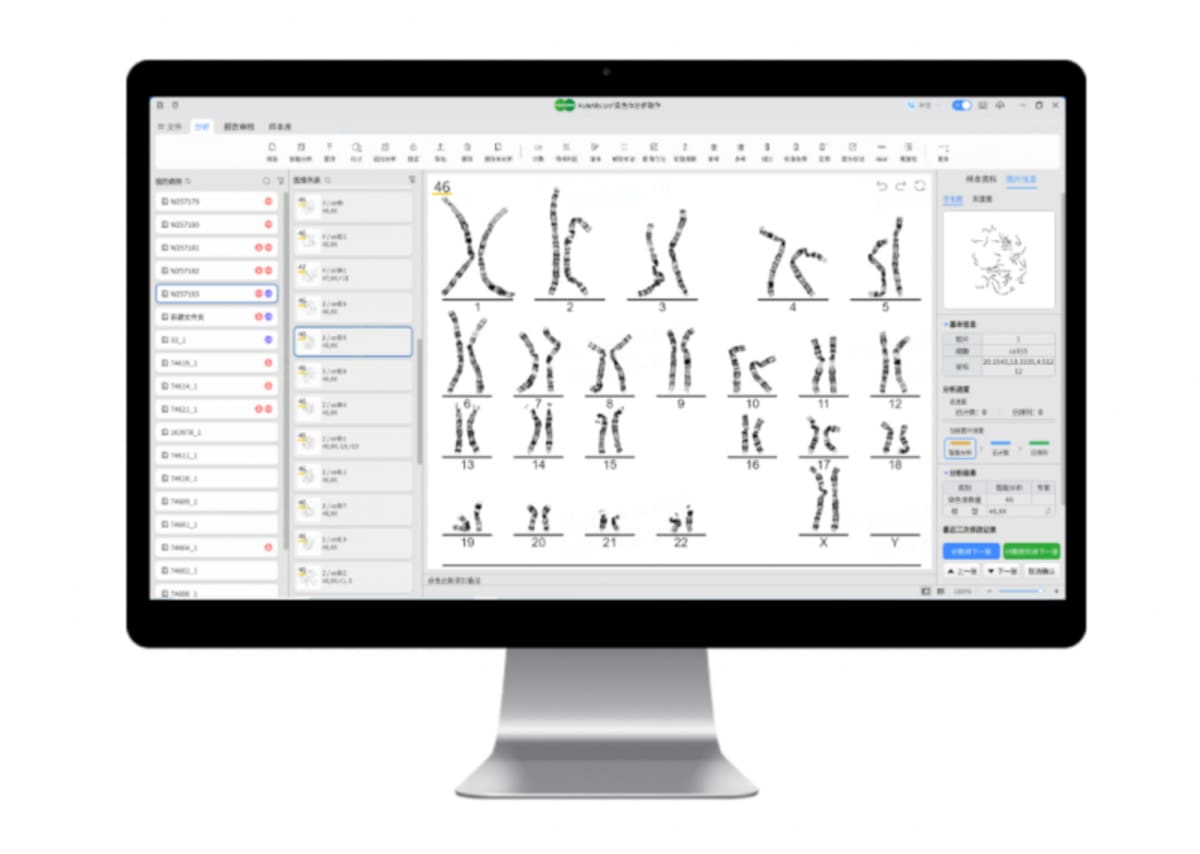
The technology tackles a stubborn problem in reproductive medicine. When doctors need to check for genetic conditions like Down syndrome or fertility issues, trained specialists must manually examine, count, and arrange all 46 human chromosomes under a microscope. Each case takes about 34 minutes of intense focus, and families typically wait 30 days for results.
Training someone to do this work takes three to five years, creating persistent shortages of qualified analysts. Meanwhile, demand keeps growing as more families seek prenatal testing and fertility treatments.
AI AutoVision changes the equation completely. The system analyzes chromosome images automatically, flagging potential abnormalities for doctors to review. In a clinical trial involving 1,734 patients across multiple hospitals, the AI caught 100% of numerical chromosome problems and 94% of structural abnormalities. Analysis time dropped to just 11 minutes per case, and report turnaround shrank to four to seven days.
The Ripple Effect
The approval matters beyond this single product. AI AutoVision runs on Diagens' iMedImage foundation model, a massive AI system trained on medical images that covers 19 different imaging types and more than 90% of clinical scenarios. Think of it as a master template that can be adapted for different medical imaging challenges.
By proving this underlying technology can pass the strictest regulatory scrutiny, Diagens has essentially validated a platform that could accelerate dozens of future medical AI applications. Other companies will need two to three years to complete similar approval processes, giving Diagens a significant head start.
For hospitals, the system opens a path to serve more patients without hiring scarce specialists. For families, it means less waiting during already stressful situations. For healthcare systems struggling with birth defect prevention and reproductive medicine capacity, it offers a scalable solution that doesn't depend on training more human analysts.
The technology represents a shift from incremental improvement to fundamental transformation in how genetic analysis gets done.
More Images
Based on reporting by Google News - AI Breakthrough
This story was written by BrightWire based on verified news reports.
Spread the positivity!
Share this good news with someone who needs it