China Cave Reveals 120,000 Years of Denisovan Life
Scientists discovered ancient human relatives called Denisovans lived in a Chinese cave for over 120,000 years, using tools and hunting like skilled forest dwellers. The find finally shows how these mysterious ancestors actually lived day to day.
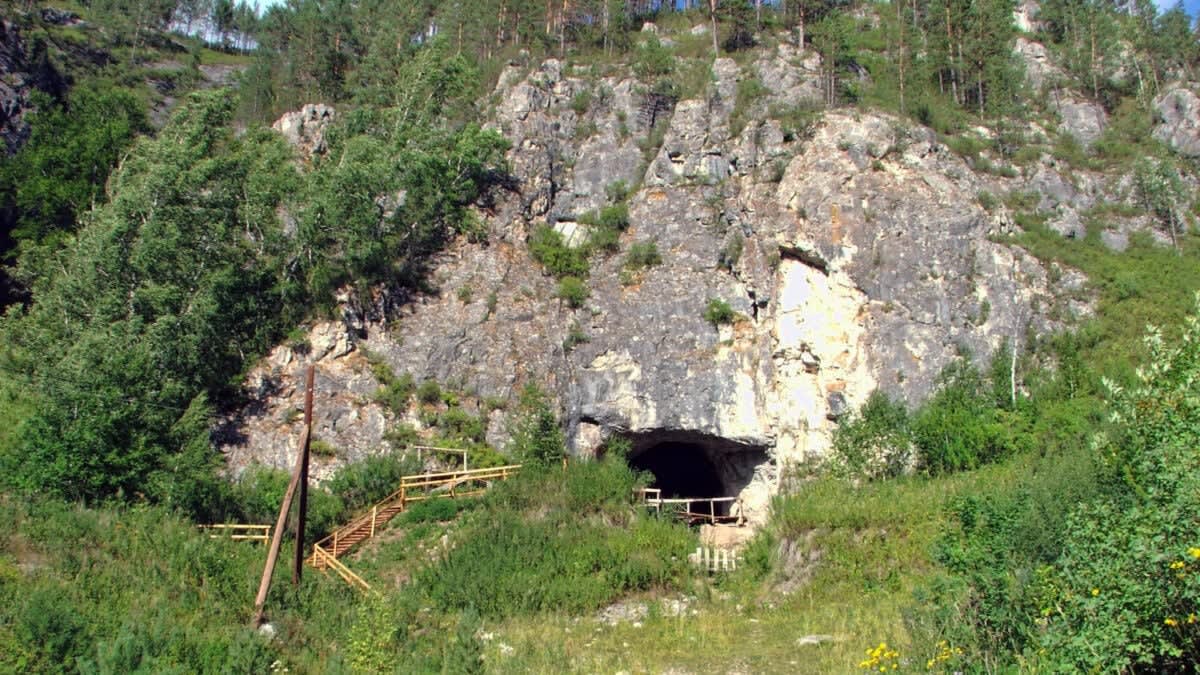
Our family tree just got a lot more interesting thanks to a cave in southwestern China that held secrets for over 100,000 years.
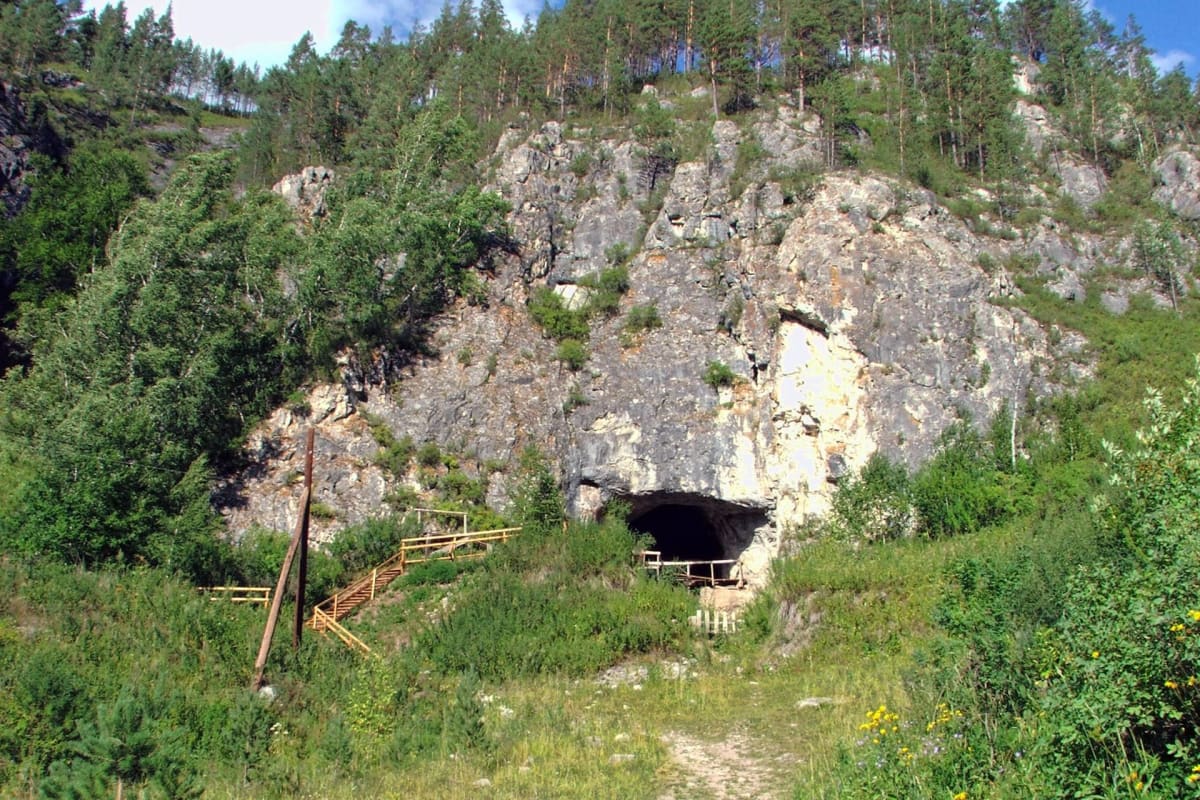
Researchers discovered fossils, tools, and hunting remains from Denisovans in Bianfu Cave, revealing the longest continuous record of these ancient human relatives ever found. The site shows they weren't just passing through but thrived there between 190,000 and 70,000 years ago.
Denisovans have puzzled scientists since their discovery in 2008. Unlike their Neanderthal cousins, very few Denisovan fossils have been found, leaving huge gaps in our understanding of how they lived.
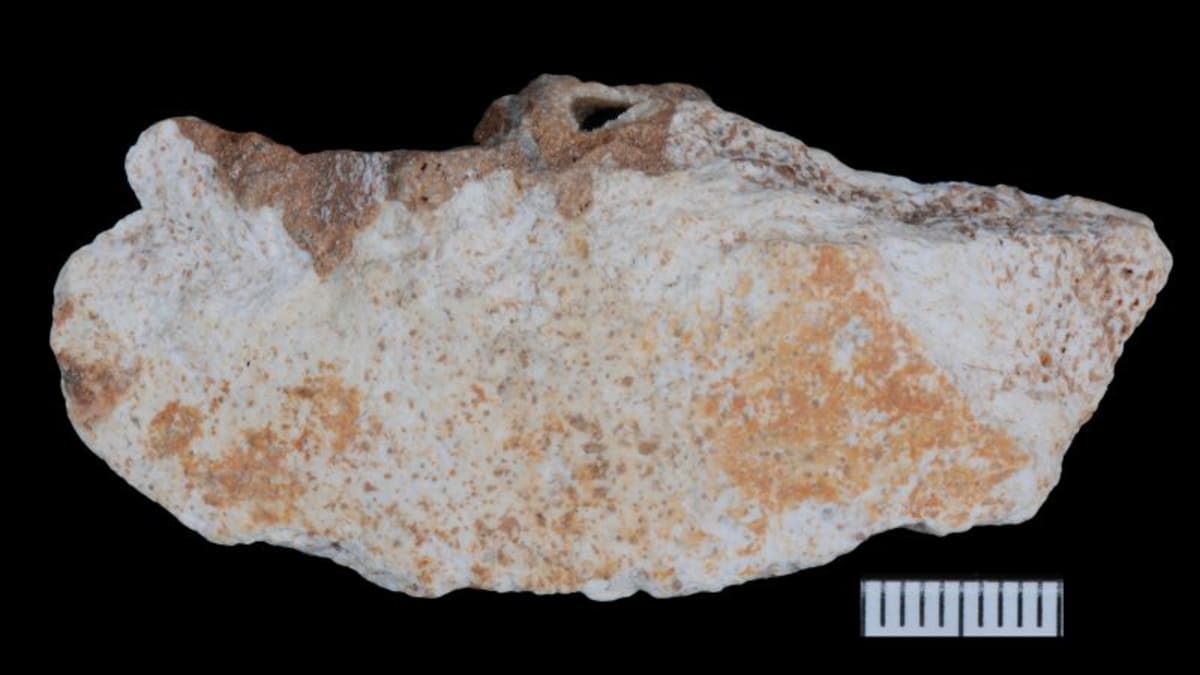
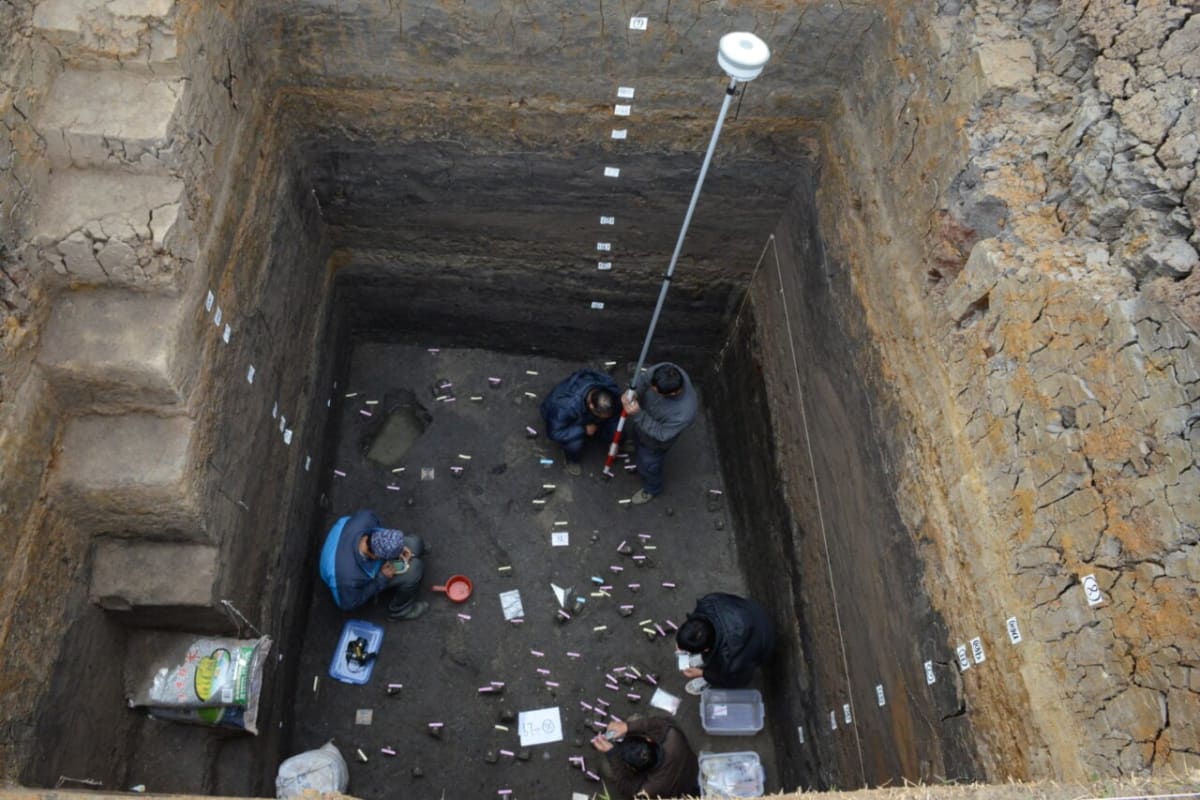
The breakthrough came when a local restoration project in 2019 uncovered four teeth, an arm bone, and skull fragments among 60,000 bone pieces. Protein analysis confirmed these belonged to Denisovans, making this only the second major Denisovan site ever identified.
What makes this discovery special is the complete picture it provides. Previous finds gave us isolated bones and DNA, but Bianfu Cave delivered the whole story of Denisovan life.
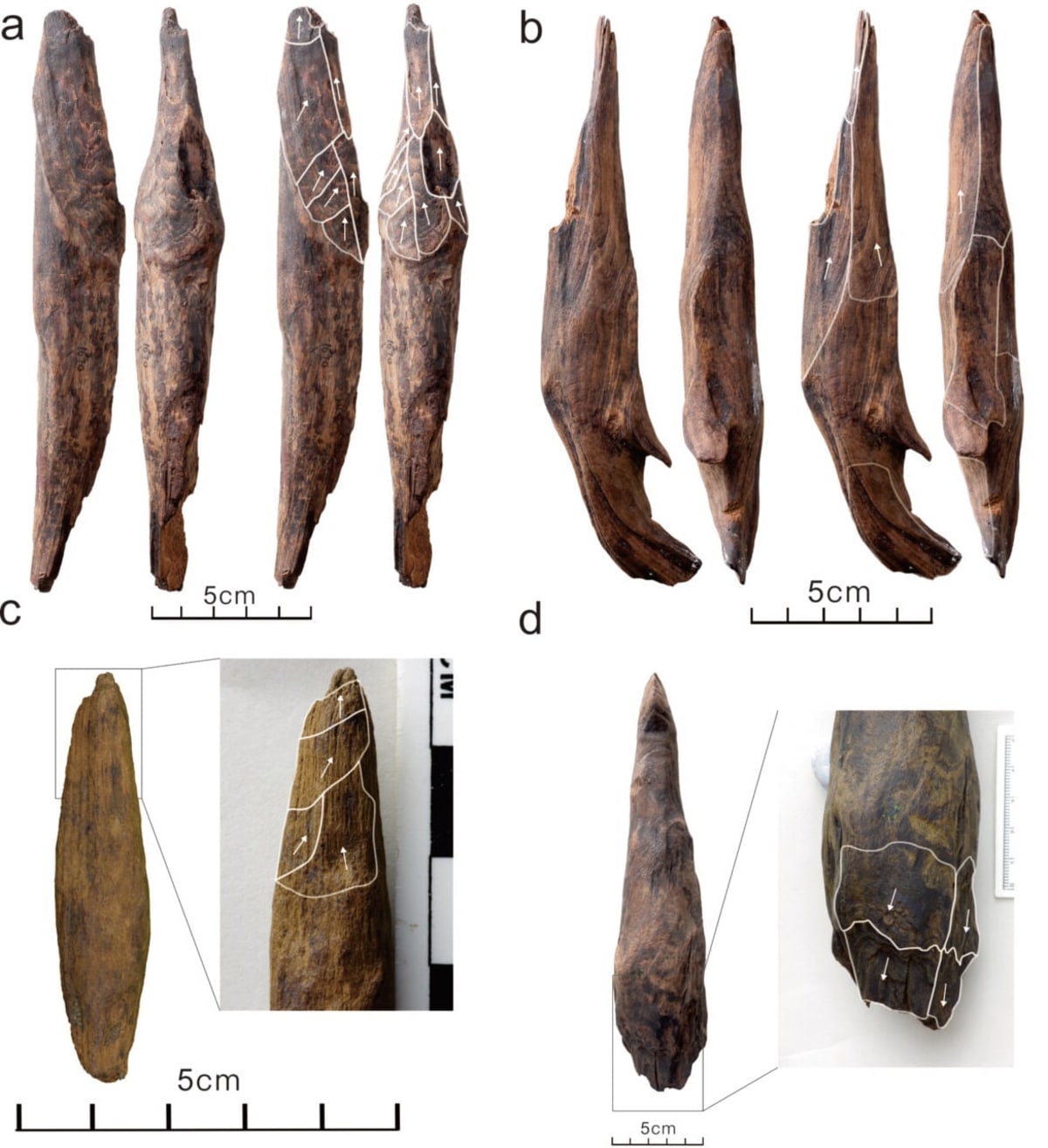
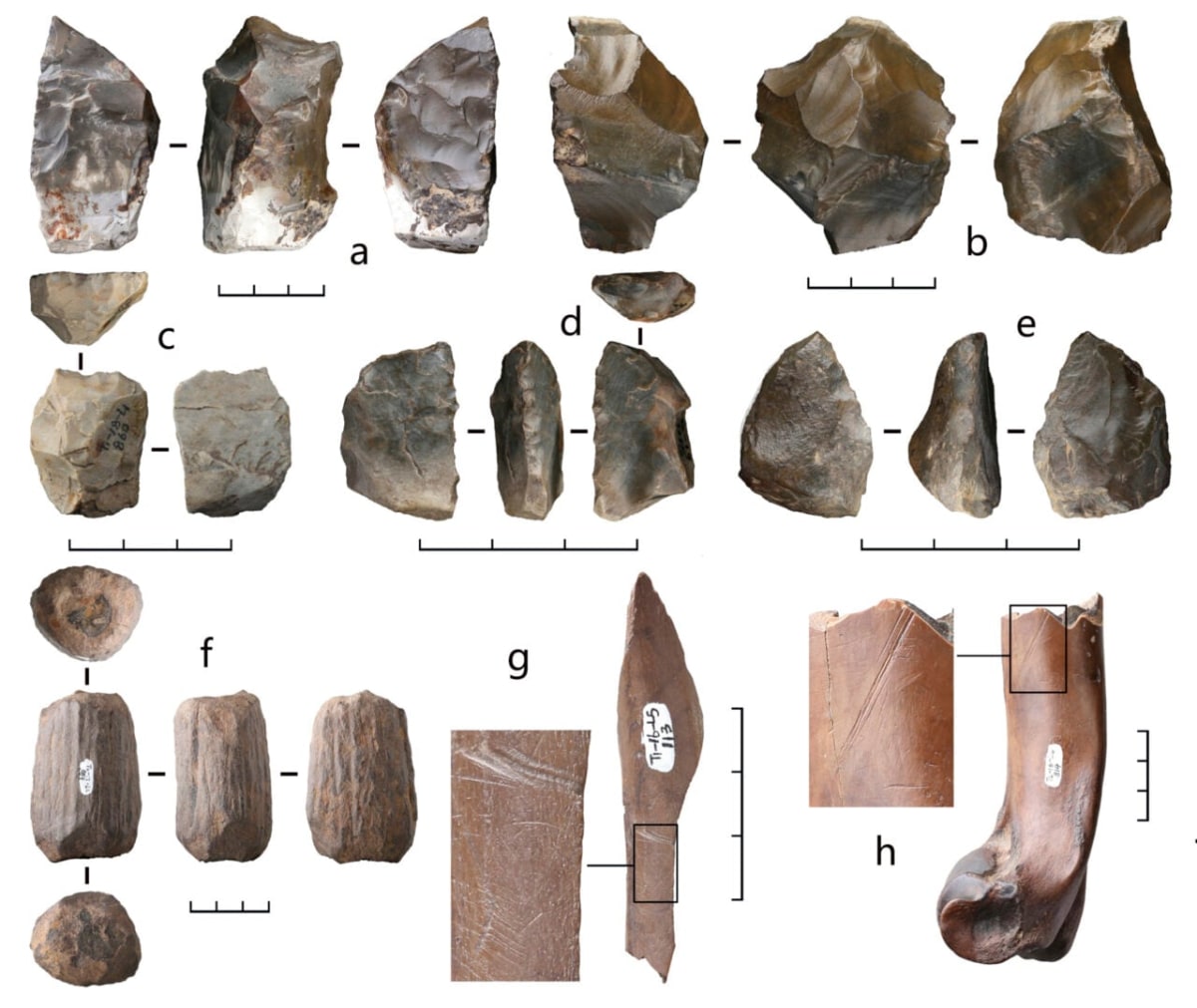
The cave contained sophisticated hunting tools similar to those made by Neanderthals, plus wooden implements and stone artifacts. Animal remains and pollen showed these ancient humans lived in conifer forests, successfully adapting to their environment for thousands of generations.
Why This Inspires
This discovery proves that patience and careful scientific work can illuminate even the most mysterious chapters of human history. For years, Denisovans existed mainly as genetic shadows in our DNA, but now we can picture them as real people who made tools, hunted animals, and built lives in ancient forests.
The find also strengthens the genetic connection between Denisovans and present-day Southeast Asian populations. Your own DNA might carry traces of these resourceful forest dwellers.
"This site brings fossils, technology, subsistence, and environment together in one long record," explained archaeologist Bo Li from the University of Wollongong. It shows just how diverse and capable ancient human populations in eastern Asia really were.
Each new Denisovan discovery brings these long-lost relatives into sharper focus, revealing a richer, more complex human family than we ever imagined.
More Images
Based on reporting by Google News - Science
This story was written by BrightWire based on verified news reports.
Spread the positivity!
Share this good news with someone who needs it