China Fossils Push Complex Life Back 15 Million Years
Scientists discovered over 700 fossils in China showing complex animals thrived 15 million years before we thought possible. The find includes ancient jellyfish relatives, starfish ancestors, and bizarre worm-like creatures that rewrite our evolutionary timeline.
Life got complicated much earlier than scientists believed, and a stunning fossil discovery in China just proved it.
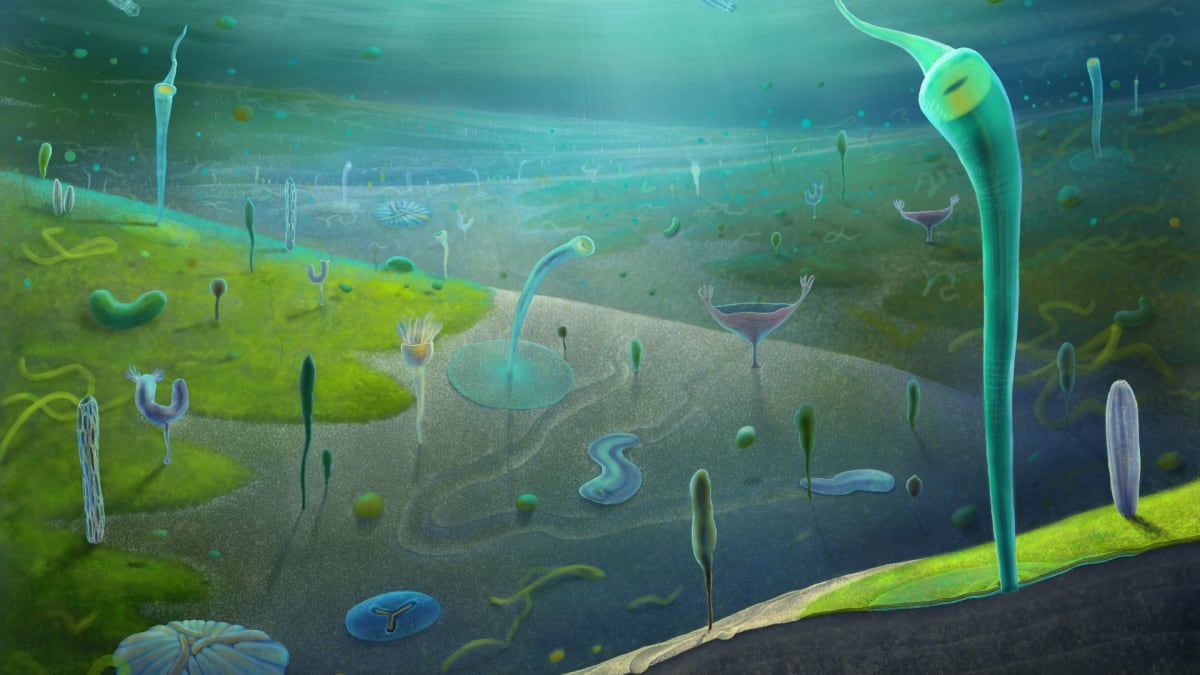
Researchers unearthed more than 700 fossils in southwestern China dating back 554 to 539 million years ago. These aren't simple blobs or early sponges. They're surprisingly complex creatures with guts, tentacles, and specialized body parts that shouldn't exist yet according to our old timeline.
The discovery challenges what we know about the Cambrian explosion, the evolutionary burst 539 million years ago when most modern animal groups suddenly appeared. Turns out, nature had a head start during the late Ediacaran period.
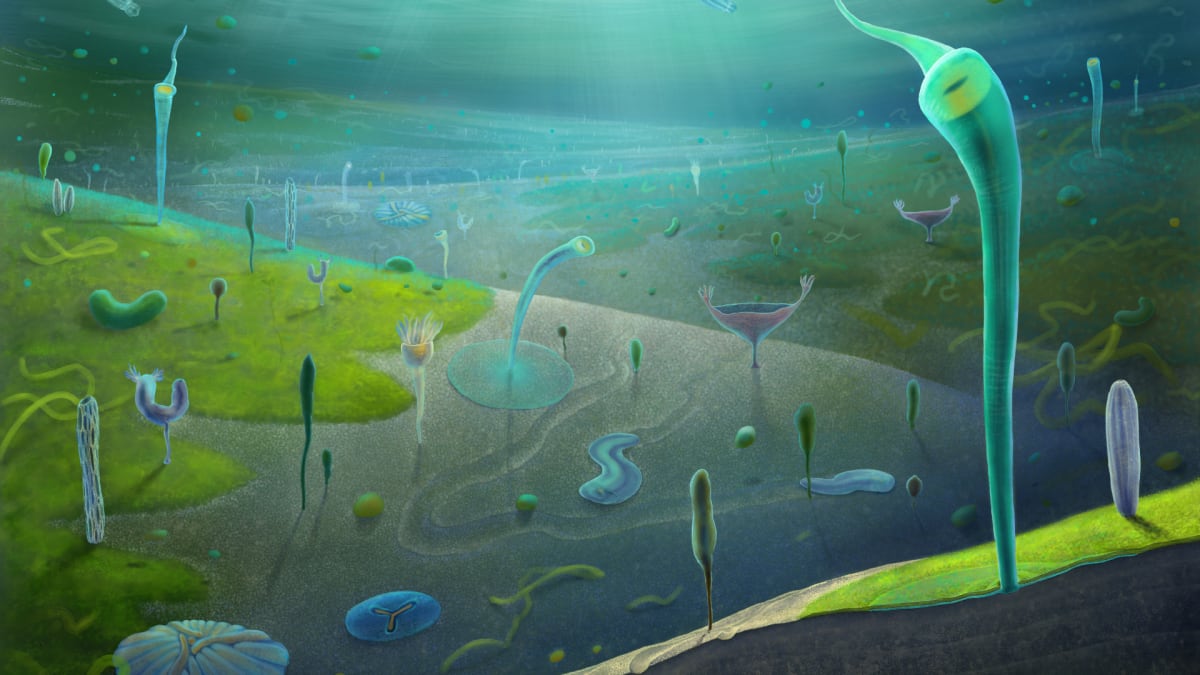
Among the finds are early comb jellies, ancestors of starfish and sea cucumbers that caught food with head tentacles, and bilateral worm-like animals that anchored themselves to the seafloor. One specimen looks remarkably like the sandworm from Dune, according to researcher Frankie Dunn from Oxford University Museum of Natural History.
"When we first saw these specimens, it was clear that this was something totally unique and unexpected," said study co-author Luke Parry, a paleobiologist at the University of Oxford. The team published their findings in the journal Science.
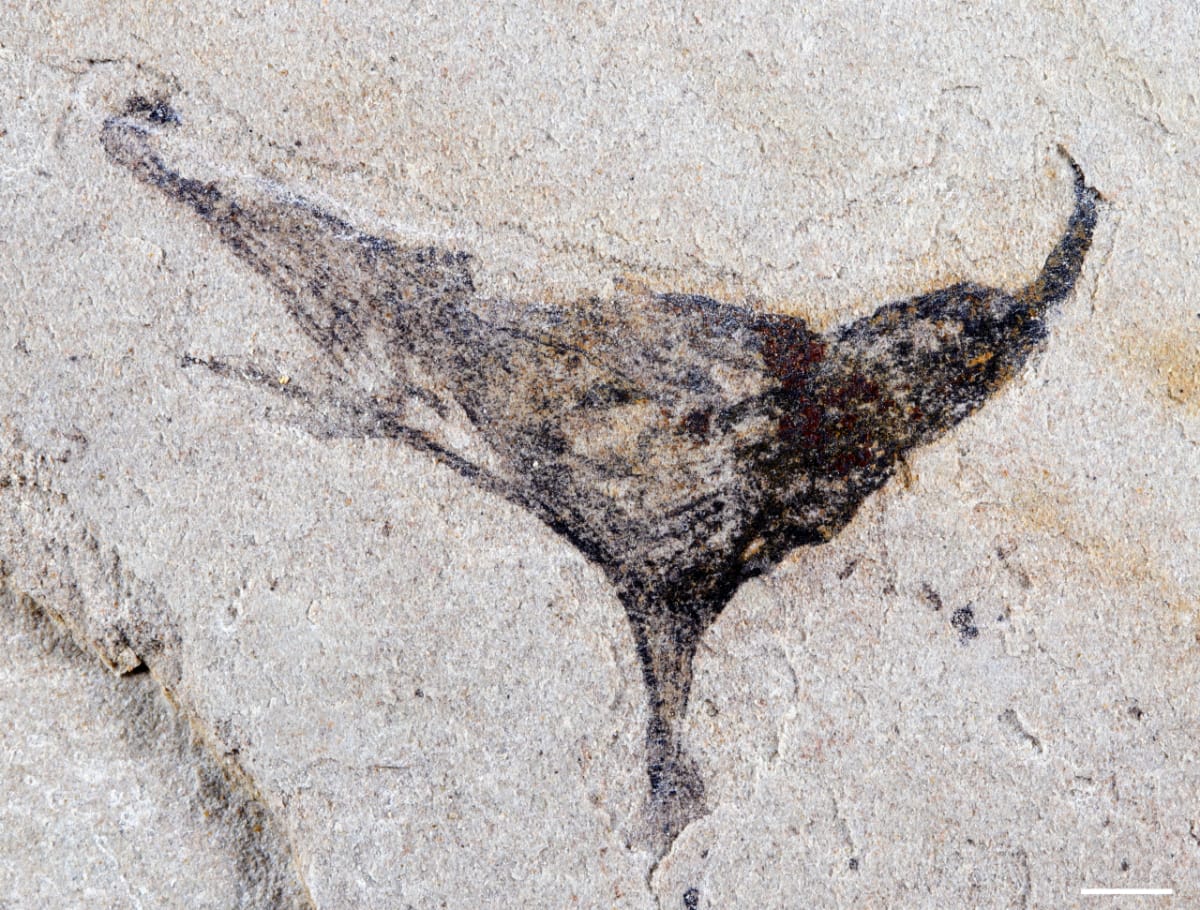
What makes this discovery special is how these creatures were preserved. Unlike typical fossils that capture only hard parts like bones or shells, these specimens are carbonaceous films that captured soft tissues. We can see details of their guts and mouthparts, offering an unprecedented window into life over 500 million years ago.
Why This Inspires
This discovery reminds us how much we still don't know about our planet's history. Complex life has been experimenting, adapting, and thriving far longer than we imagined.
The find also suggests we've been looking in the wrong places or for the wrong things. These creatures likely existed elsewhere too, but the rare preservation method at this Chinese site allowed them to leave their mark on history.
The implications stretch beyond just pushing back dates on a timeline. Every creature alive today, including humans, emerged from this ancient experimental phase of life. These bizarre animals with their tentacles and specialized parts were testing evolutionary strategies that would eventually lead to every fish, bird, mammal, and person.
Understanding when complexity emerged helps scientists piece together how it emerged. The gap between simple sponges and modern animals just got a little smaller and lot more interesting.
More Images

Based on reporting by Live Science
This story was written by BrightWire based on verified news reports.
Spread the positivity!
Share this good news with someone who needs it