China Launches World's First Wind-Powered Undersea Data Hub
China just powered up the world's first underwater data center that runs directly on offshore wind energy and cools itself with seawater. This engineering breakthrough could slash data center energy use by billions of kilowatt-hours while freeing up land and freshwater.
Imagine a massive computer server farm sitting on the ocean floor, powered by spinning wind turbines and cooled by the sea itself.
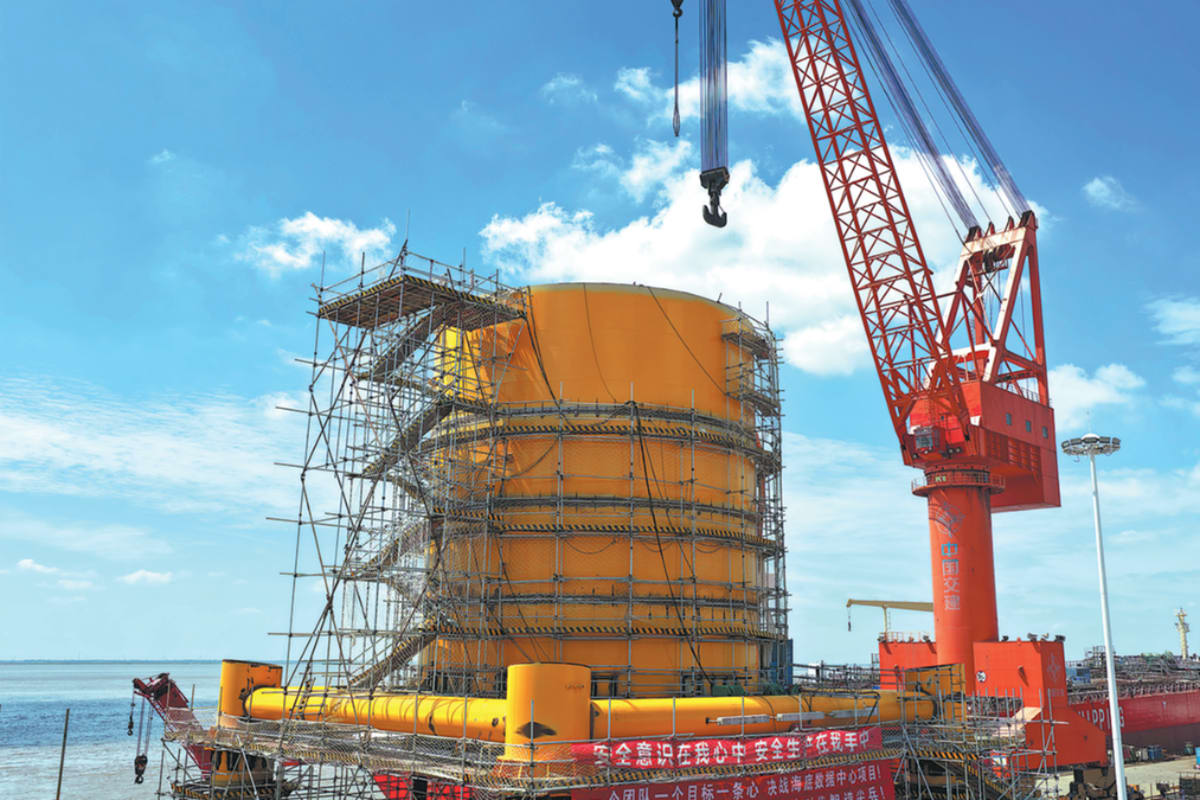
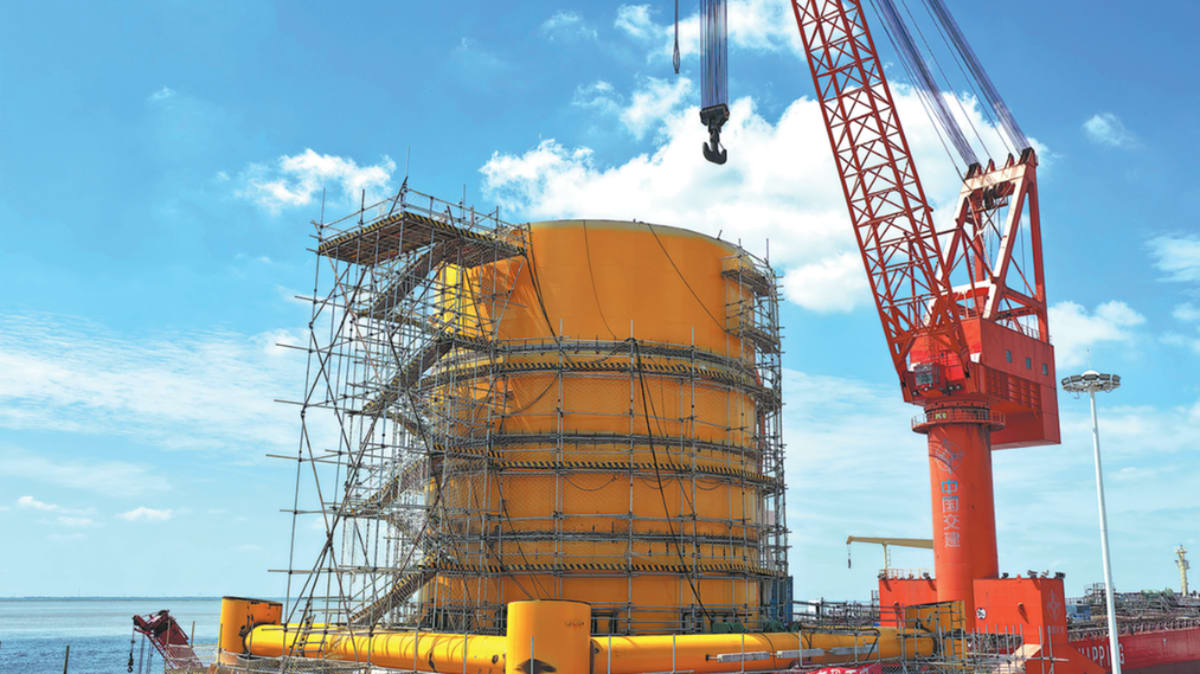
China made this vision real in May when it launched the Shanghai Lingang undersea data center off Shanghai's eastern coast. The facility represents the world's first data center directly connected to offshore wind power, bypassing traditional electrical grids entirely.
The project sits about 10 kilometers offshore with enough capacity to power 20,000 households. What makes it revolutionary is how electricity flows straight from wind turbines to submerged computer modules through underwater cables, creating a direct renewable energy pipeline.
The seawater cooling system is where the magic really happens. Instead of energy-hungry air conditioning units, copper pipes circulate cool ocean water around the servers naturally. This design cuts electricity consumption by nearly 23 percent, uses zero freshwater, and requires 90 percent less land than conventional facilities.
The timing couldn't be more critical. China's artificial intelligence boom is creating massive demand for computing power, and data centers have become electricity monsters. Companies training AI models need facilities that can crunch numbers fast without melting the planet.
Professor Li Zhen from Tsinghua University crunched the numbers on what this could mean nationally. Chinese data centers currently burn through 250 billion kilowatt-hours annually, with 80 billion spent just on cooling. If similar underwater facilities replaced conventional ones, cooling energy could drop to 30 billion kilowatt-hours.
That 50 billion kilowatt-hour savings equals not burning 15 million metric tons of coal each year. For perspective, that's like taking millions of cars off the road permanently.
The Ripple Effect
Shanghai has become one of China's leading AI hubs, home to self-driving car companies, biotech firms, and advanced manufacturers where every millisecond of computing speed matters. These underwater data centers could multiply across coastal cities worldwide facing the same squeeze: exploding AI demand meets limited land, electricity, and freshwater.
Tech giants globally are scrambling to solve the cooling crisis as AI models grow larger and hungrier. Traditional data centers in cities compete with residents for electricity and water while generating heat that requires even more cooling.
This underwater approach flips that equation. The ocean provides endless free cooling while offshore wind farms generate clean electricity far from crowded cities. It's infrastructure designed for the AI era where energy, cooling, and computing work as one integrated system.
China built the world's largest manufacturing supply chains over decades. Now they're attempting something similar for digital infrastructure, engineering computing power and renewable energy together from the ground up, or in this case, from the seafloor up.
The demonstration project proves the concept works, and coastal nations watching their AI electricity bills soar are paying attention.
More Images
Based on reporting by Google News - Wind Energy
This story was written by BrightWire based on verified news reports.
Spread the positivity!
Share this good news with someone who needs it