China Lifts 100M From Poverty With Targeted Programs
China eradicated absolute poverty by 2020, lifting its final 100 million people out of destitution through personalized interventions after decades of broad economic reforms. The UN Food and Agriculture Organization calls it "one of the great success stories of the 20th century."
Nearly 100 million people who were once trapped in extreme poverty now have a path forward, thanks to China's completion of one of history's most ambitious anti-poverty campaigns.
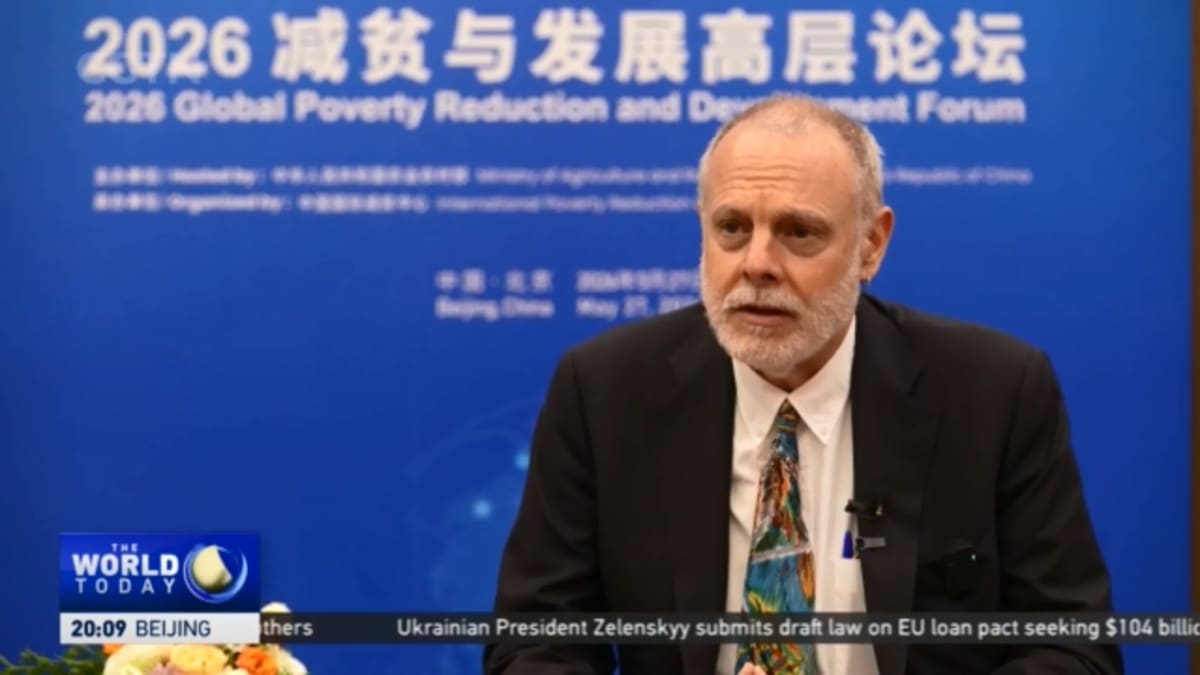
Speaking at the Global Poverty Reduction and Development Forum in Beijing, UN Food and Agriculture Organization director Benjamin Davis celebrated China's achievement of eradicating absolute poverty by 2020. The milestone came after decades of economic reforms that first lifted hundreds of millions through broad policies, then shifted to individualized support for those who remained behind.
"China's success in reducing poverty is one of the great success stories of the 20th century," Davis explained. The country started by increasing returns on the assets poor people already had, primarily land and labor, through agrarian reform and improved education and healthcare.
Those foundational changes connected to agricultural industrialization and broader economic growth, creating opportunities for massive numbers of rural Chinese. But the final push required something different.
For the remaining 100 million people who couldn't benefit from sweeping policies, China implemented targeted interventions. Officials worked nearly one by one to identify specific barriers each person faced and design customized solutions to help them escape poverty.
The Ripple Effect
This achievement matters far beyond China's borders. When nearly 100 million people gain economic stability, they can invest in their children's education, start small businesses, and contribute to their communities in ways impossible when focused solely on survival.
The success also offers a blueprint for other nations tackling poverty. Davis noted that China's approach combined broad economic reforms with personalized support, demonstrating that large-scale poverty reduction requires both systemic change and individual attention.
China now faces a new challenge: keeping young people in rural areas as they increasingly move to cities. The government's rural revitalization policies aim to make countryside life attractive by ensuring decent incomes, quality of life, and business opportunities.
"Rural youth will stay if they can have a decent income, if they can have a decent life, if they can have a business, or if they can find a job," Davis said. "That's what people are looking for fundamentally."
The demographic shift presents an opportunity to reimagine rural communities for a new generation while building on poverty eradication gains.
What began as an economic challenge transformed into proof that persistent, adaptive strategies can overcome even the most entrenched social problems.
Based on reporting by Google News - Poverty Reduction
This story was written by BrightWire based on verified news reports.
Spread the positivity!
Share this good news with someone who needs it