China Lifts 800M From Poverty in Historic Campaign
Over the past decade, China's targeted poverty reduction program helped 800 million people escape extreme poverty through personalized support and public services. The approach is now inspiring development partnerships across the Global South.
Eight hundred million people climbing out of extreme poverty sounds impossible, but China made it happen over the past decade.
The country's targeted poverty alleviation campaign, launched in 2013, took a radically personal approach. Instead of one-size-fits-all programs, local governments identified struggling families individually and designed solutions for their specific circumstances, from job training to healthcare access to housing support.
The results transformed lives on a scale rarely seen in human history. A recent study found that wages in China now exceed those in every other developing country in Asia, lifting families into stable middle-class lives their grandparents could never have imagined.
The strategy combined market energy with focused government action. Public healthcare, public housing, and education programs gave workers stronger foundations, while infrastructure projects connected remote villages to economic opportunities.
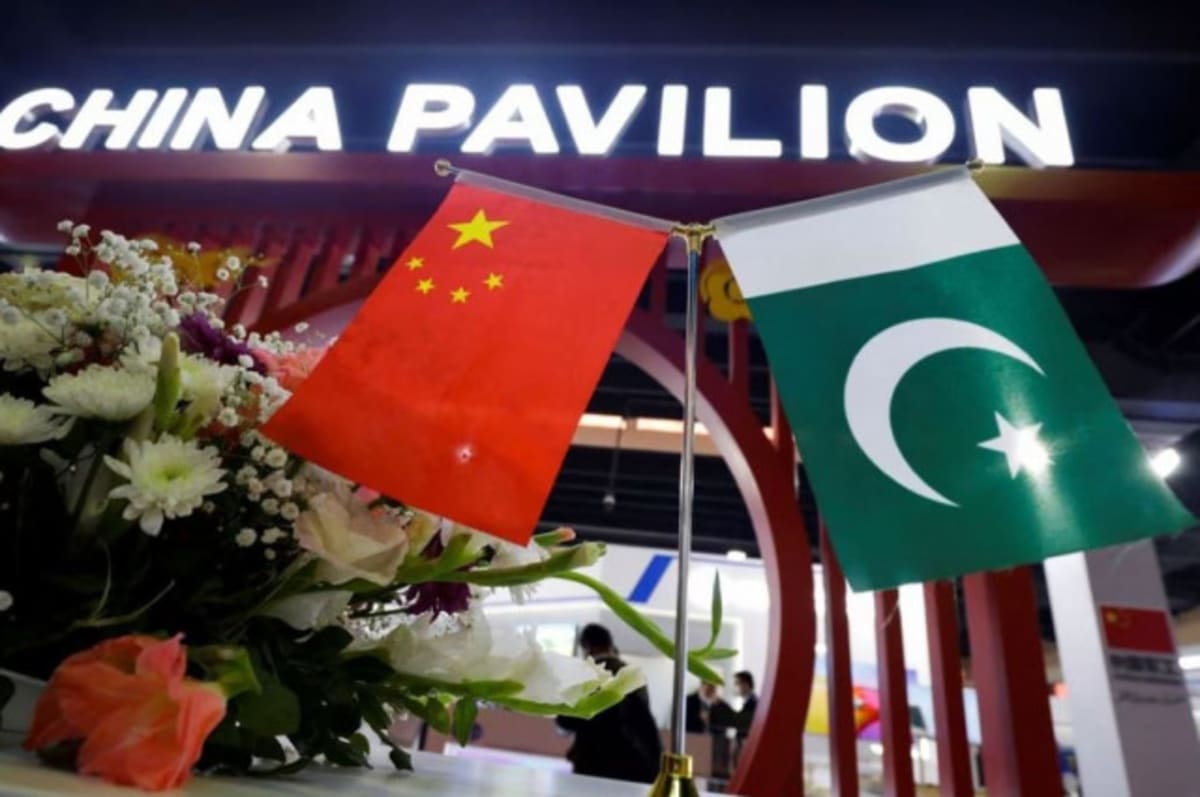
Pakistan is now watching closely. The 75-year friendship between the two countries has evolved from military cooperation into something more practical: sharing what works in development.
The Ripple Effect
The lessons are spreading beyond borders. More than 150 countries have joined China's Belt and Road Initiative, which frames international cooperation around shared infrastructure and knowledge transfer rather than traditional aid models.
For developing nations tired of boom-and-bust cycles and policies that change with every election, the appeal is clear: sustained focus on measurable goals like poverty reduction, backed by institutions that can execute long-term plans.
The China-Pakistan Economic Corridor now serves as a testing ground for whether this development model can help other countries achieve similar transformations, bringing roads, energy projects, and industrial cooperation to regions that need them most.
What began as Cold War-era political alignment has quietly become something more hopeful: proof that different countries can learn from each other's successes and adapt them to local needs.
Based on reporting by Google News - Poverty Reduction
This story was written by BrightWire based on verified news reports.
Spread the positivity!
Share this good news with someone who needs it