Vietnam Veterans Cut Poverty 70% Through Peer Support
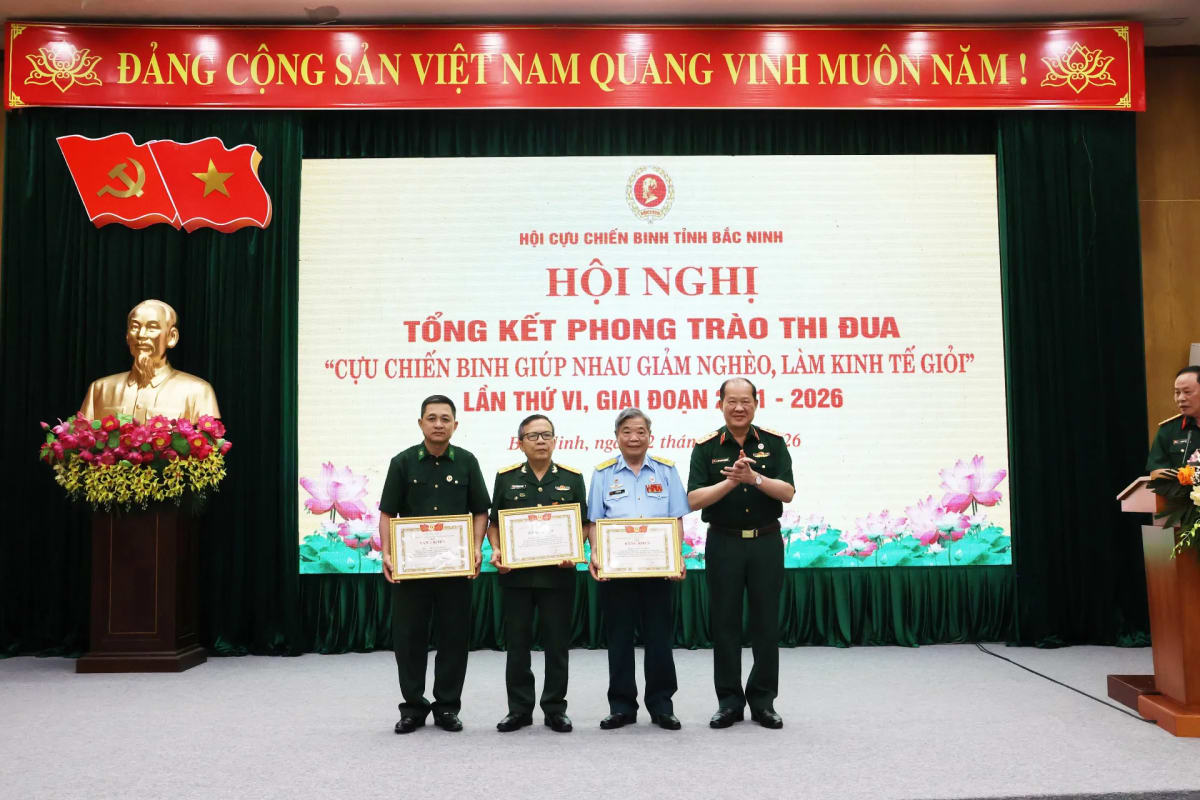
In Vietnam's Bac Ninh province, war veterans are lifting each other out of poverty through business training, microloans, and mentorship. Over five years, they've slashed poverty among veteran families by 70% while creating 40,000 jobs.
When Vietnam's war veterans decided to help each other build businesses instead of waiting for handouts, something remarkable happened. In Bac Ninh province, a five-year peer support movement has lifted nearly 1,000 veteran families out of poverty while creating thriving local businesses.
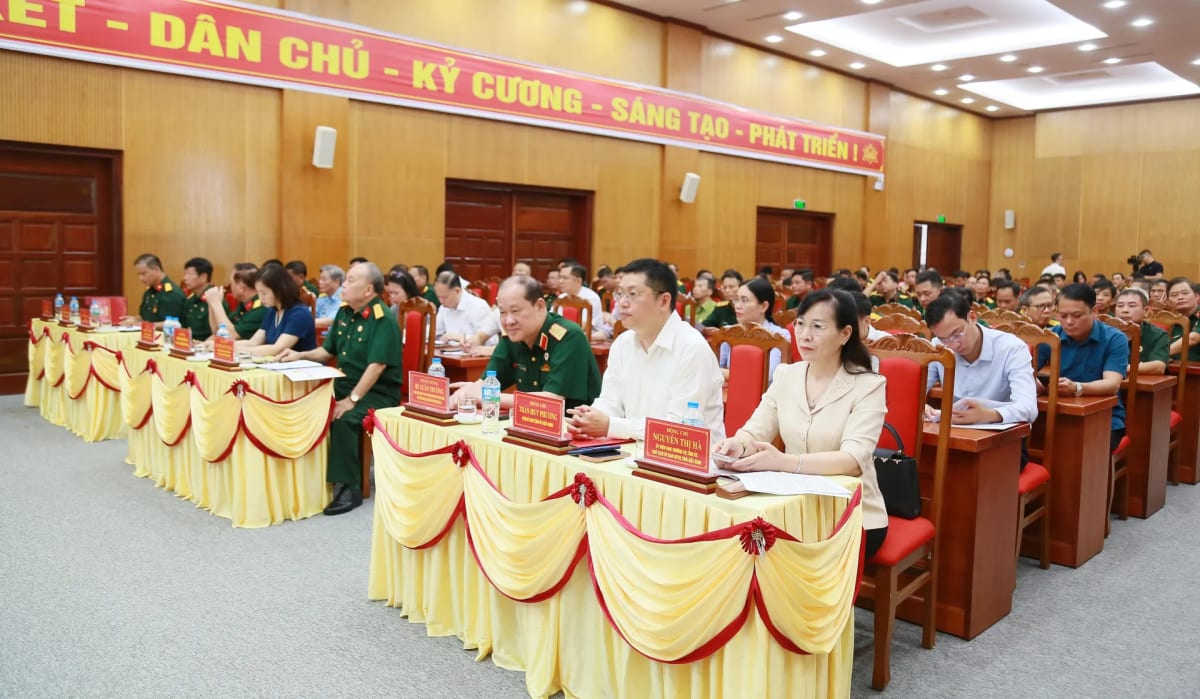
The program connects 180,000 veterans through a simple but powerful model. Successful veteran business owners mentor struggling peers, teaching them skills from farming to entrepreneurship. They also pool money to create low-interest or interest-free loans that banks won't provide.
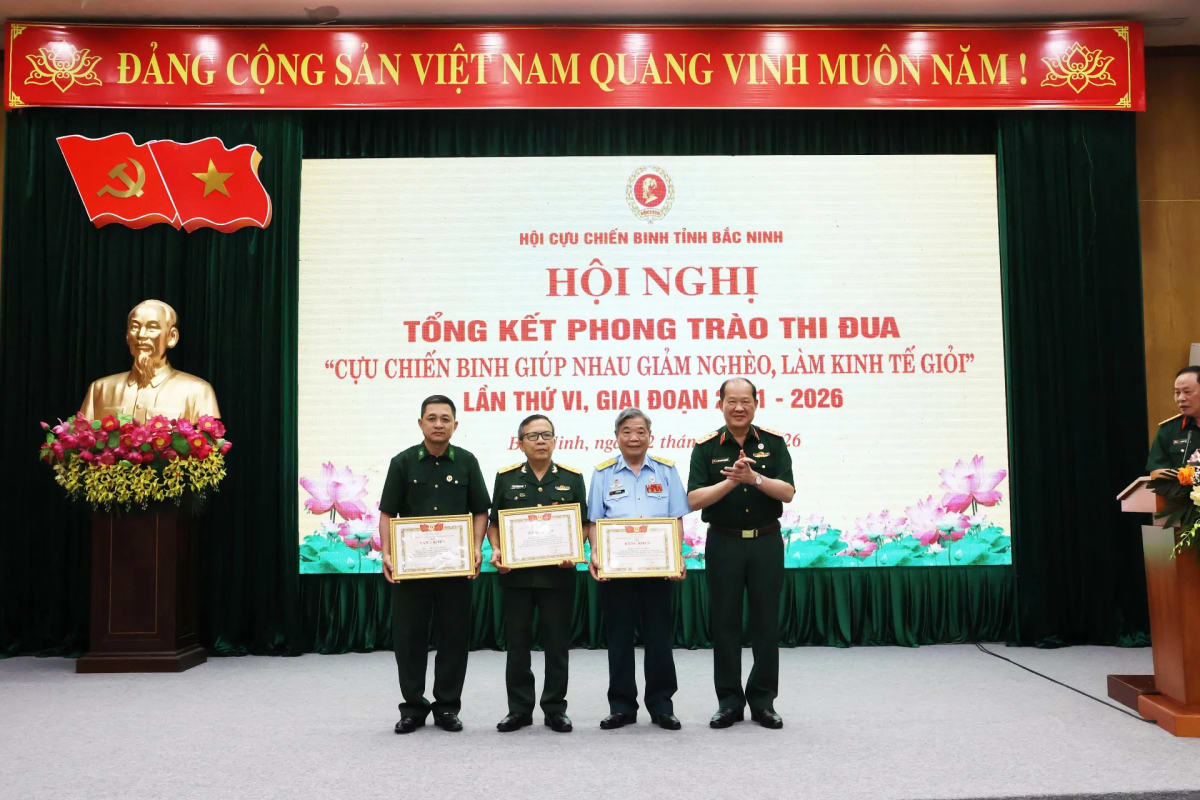
The results speak louder than any government program could. War veteran Do Van Quy now runs a concrete construction company. Tran Van Thu leads a successful private firm. Tran Duc Cu chairs a hospital company. Each of them actively mentors other veterans starting their own ventures.
The movement launched in 2021 amid brutal challenges. COVID-19 shutdowns devastated local businesses. Typhoon Yagi in 2024 and another major storm in 2025 destroyed crops and infrastructure. Yet the veterans kept pushing forward.
Together, they've created 18,739 businesses ranging from family farms to medium-sized enterprises. These ventures now employ over 40,000 workers, many of them from the local community. The businesses include 273 companies, 117 cooperatives, 275 farms, and thousands of family operations.
The training component proved essential. Veterans organized 602 courses teaching 37,000 people skills in agriculture, fishing, environmental protection, and business management. The knowledge transfer turned subsistence farmers into confident entrepreneurs.
The Ripple Effect
The program's impact extends far beyond veteran families. Those 40,000 jobs support entire communities in one of Vietnam's smaller provinces. Local suppliers, customers, and service providers all benefit from the business growth.
The veterans also tackled housing poverty directly. Through pooled resources and coordination, they've eliminated 388 dilapidated homes, investing over $700,000 to give struggling families decent shelter.
Poor veteran households dropped from 0.81% to just 0.24% over five years. Near-poor families fell from 1.55% to 0.53%. Today, nearly 64% of veteran families enjoy relatively high or high living standards.
The loan fund tells its own success story. Social Policy Bank loans managed by the Veterans Association reached $77 million, supporting nearly 24,000 households. The veterans' own contributed fund grew to $5.7 million, creating a permanent resource for future entrepreneurs.
What makes this work isn't charity but mutual respect among people who survived war together. They understand struggle, know the value of persistence, and refuse to leave comrades behind. That warrior mentality translated perfectly into beating poverty.
Now other Vietnamese provinces are studying Bac Ninh's model as they plan their own veteran support programs for 2026-2031.
More Images


Based on reporting by Google News - Poverty Reduction
This story was written by BrightWire based on verified news reports.
Spread the positivity!
Share this good news with someone who needs it