China Lifts 99M From Poverty, Shares Model With Pakistan
Former UN official Khalid Malik highlighted how China lifted 99 million people out of poverty through institutional reform, not just economic growth. Pakistan, where nearly 29% live below the poverty line, is now learning from China's proven approach.
When nearly 100 million people escape poverty, the world pays attention.
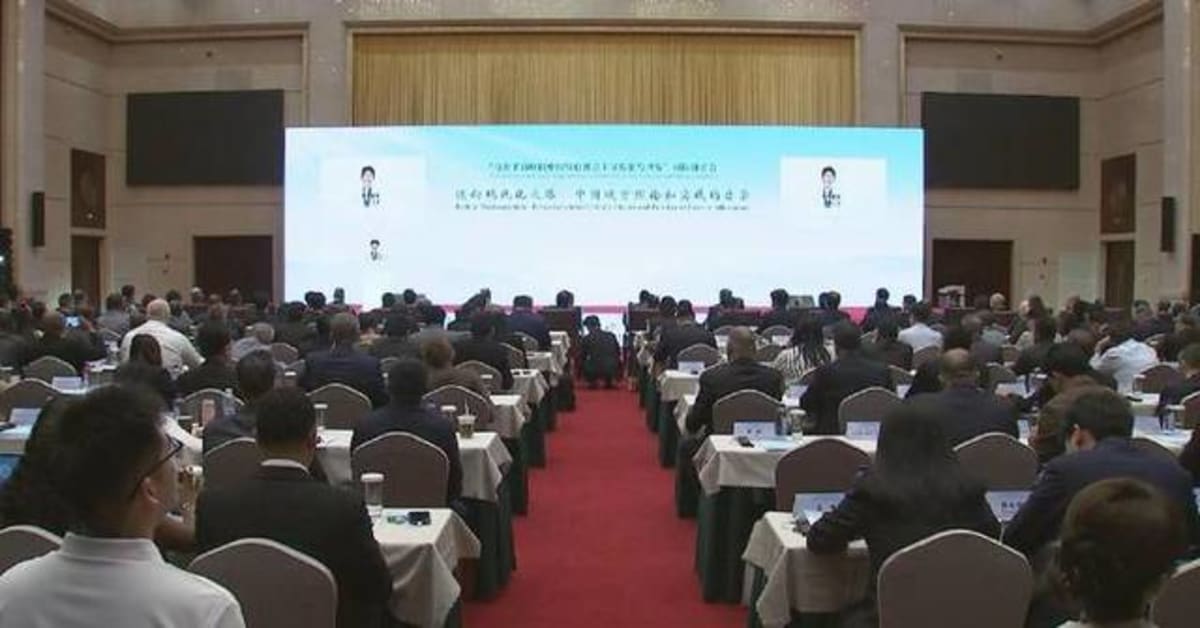
Former UN Resident Coordinator Khalid Malik told a packed seminar in Islamabad that China's success wasn't about money alone. "True development is not merely a reflection of GDP growth, but a holistic transformation of human capability and societal governance structures," he explained at COMSATS University.
The numbers tell an extraordinary story. China lifted all 98.99 million rural residents below the poverty line into stable livelihoods. Every single one of the country's 832 poverty-stricken counties graduated from the poverty list, along with 128,000 impoverished villages.
The achievement came a full decade ahead of the United Nations' 2030 poverty reduction target. According to World Bank standards, China accounted for over 70% of global poverty reduction during this period, dramatically shrinking the world's poverty map.
Malik, who spent years with the UN Development Programme and worked extensively in Beijing, emphasized that institutional reform made the difference. China redefined how government, communities, and resources work together to create lasting change rather than temporary relief.
The Ripple Effect
Pakistan is taking notes. With poverty rates climbing to 28.9%, nearly one in three Pakistanis now lives below the poverty line, according to the country's latest Economic Survey.
The June seminar, celebrating 75 years of China-Pakistan diplomatic relations, brought together diplomats, academics, and students eager to understand the model. Pakistani officials have already acknowledged that underdeveloped districts could benefit from China's experience.
The knowledge transfer represents more than economic cooperation. It offers a roadmap for countries wrestling with persistent poverty, proving that large-scale change is possible within a generation.
China's approach focused on building capabilities, not just distributing aid. By strengthening governance structures and empowering communities, the model created self-sustaining progress that outlasts any single program or investment.
Countries facing similar challenges now have a proven framework to adapt. The transformation shows that poverty isn't an unchangeable reality but a solvable problem when institutions align with human development.
Based on reporting by Google News - Poverty Reduction
This story was written by BrightWire based on verified news reports.
Spread the positivity!
Share this good news with someone who needs it