Scholars Find Hope in Democracy's Transformation
While many sense our institutions are changing, new voices argue democracy isn't dying—it's evolving. A global conversation about renewal is replacing narratives of decline.
Across the world, a quiet shift is happening in how people talk about democracy's future.
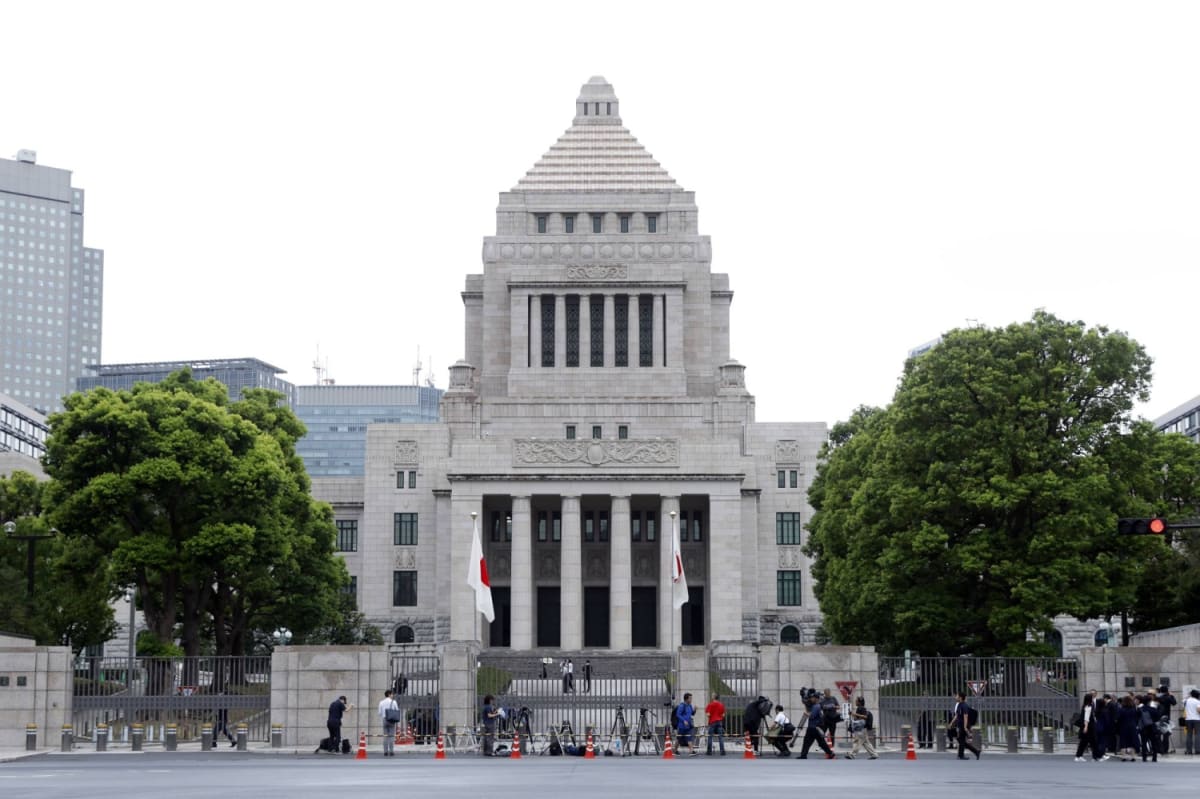
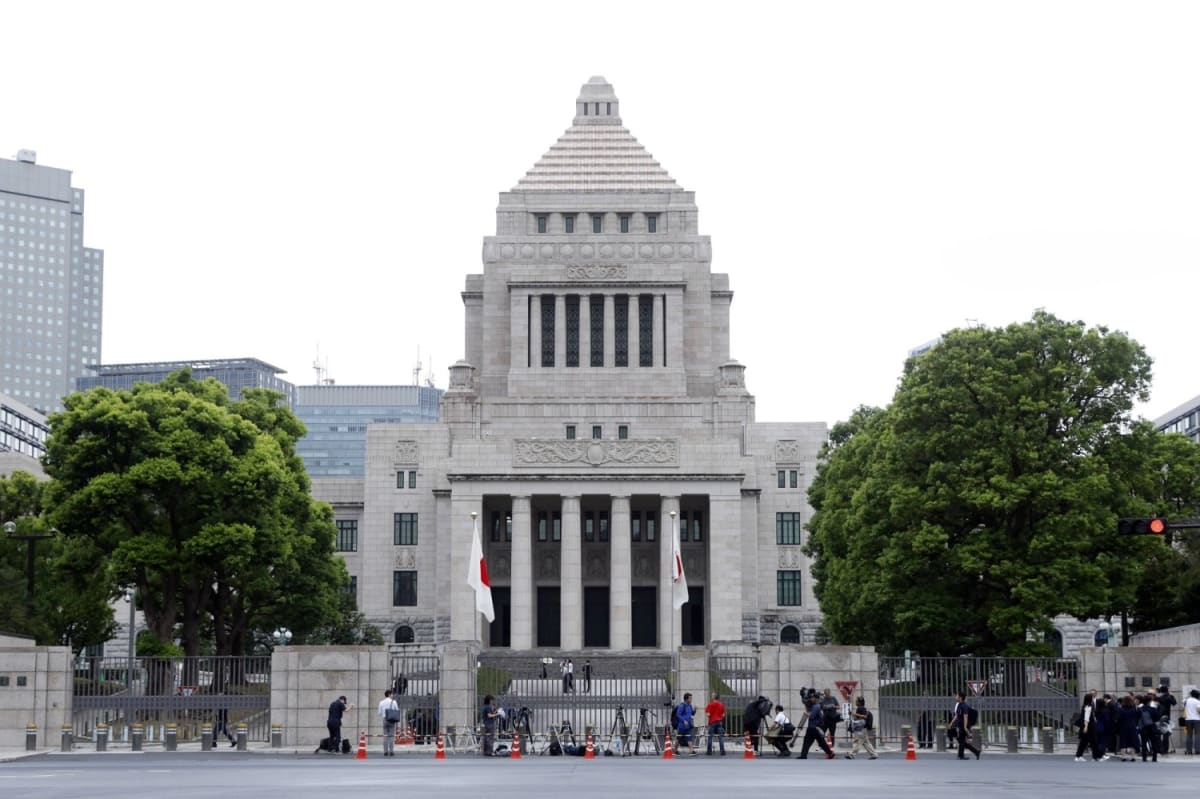
What started as an anonymous essay circulated among Japanese intellectuals has sparked something unexpected. Instead of accepting decline as inevitable, scholars and citizens are reframing the conversation around democratic renewal and adaptation.
The essay captured a feeling many recognize: life continues normally even as our institutions seem to transform beneath the surface. We work, raise families, and make plans while sensing something fundamental has shifted. Elections happen, markets function, yet confidence in these systems feels different than before.
But here's what makes this moment different. Rather than stopping at diagnosis, thinkers worldwide are asking better questions. Not "is democracy dying?" but "how can democracy evolve to meet modern challenges?"
The conversation acknowledges real concerns. Political polarization has increased. Economic inequality has widened. Trust in institutions has weakened in many countries.
Yet this honest assessment is creating space for genuine solutions. Recognizing that democracy was always meant to disperse power, not concentrate it, activists are exploring new models of citizen engagement. Understanding that capitalism should create broad prosperity, economists are testing frameworks that balance competition with equity.
The Bright Side
This global dialogue represents something powerful: the refusal to accept pessimism as wisdom. By naming what feels broken, communities can begin fixing it.
Small experiments in participatory governance are emerging from Taiwan to Iceland. New economic models prioritizing stakeholder capitalism are gaining traction in boardrooms. Young people are creating innovative platforms for civic engagement that bypass traditional gatekeepers.
The anonymous Japanese author didn't just describe unease. They invited response, sparking conversations across continents about what comes next.
History shows that periods of institutional transformation often feel unsettling while they're happening. What looks like disintegration from inside can appear as evolution from the outside. The printing press disrupted medieval power structures. Universal suffrage transformed who could participate in democracy. Each shift felt destabilizing before it felt normal.
Today's uncertainty might be tomorrow's breakthrough. The same forces creating anxiety—global connectivity, information access, youth activism—also enable rapid innovation in how we govern ourselves.
Democracy has always been unfinished business, a constant work in progress requiring each generation's renewal.
More Images
Based on reporting by Japan Times
This story was written by BrightWire based on verified news reports.
Spread the positivity!
Share this good news with someone who needs it