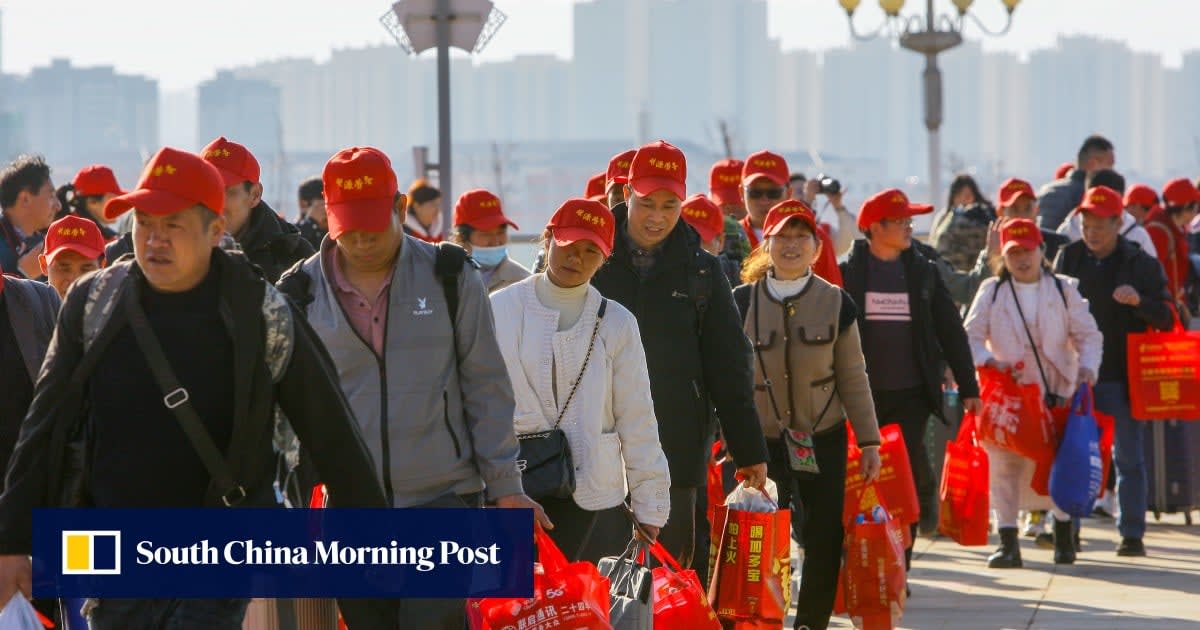
China Opens Social Insurance to 357 Million Migrant Workers
China just removed a major barrier that kept hundreds of millions of workers from accessing healthcare and benefits where they actually live. For 357 million migrant workers, this could be life-changing.
China just took a huge step toward fairness for its most vulnerable workers, announcing that migrant laborers can now access social insurance in the cities where they work, not just where they were born.
The change affects more than 357 million people who've been locked out of healthcare, pensions, and other vital benefits simply because they didn't have the right paperwork in the right place. For decades, China's hukou system tied people's access to public services to their hometown registration, even if they'd lived and worked somewhere else for years.
Under the new policy announced by China's State Council, workers can now enroll in social insurance programs wherever they're employed, regardless of where they're officially registered. The government is also making it easier to transfer benefits when workers move between cities, solving a problem that's frustrated mobile workers for generations.
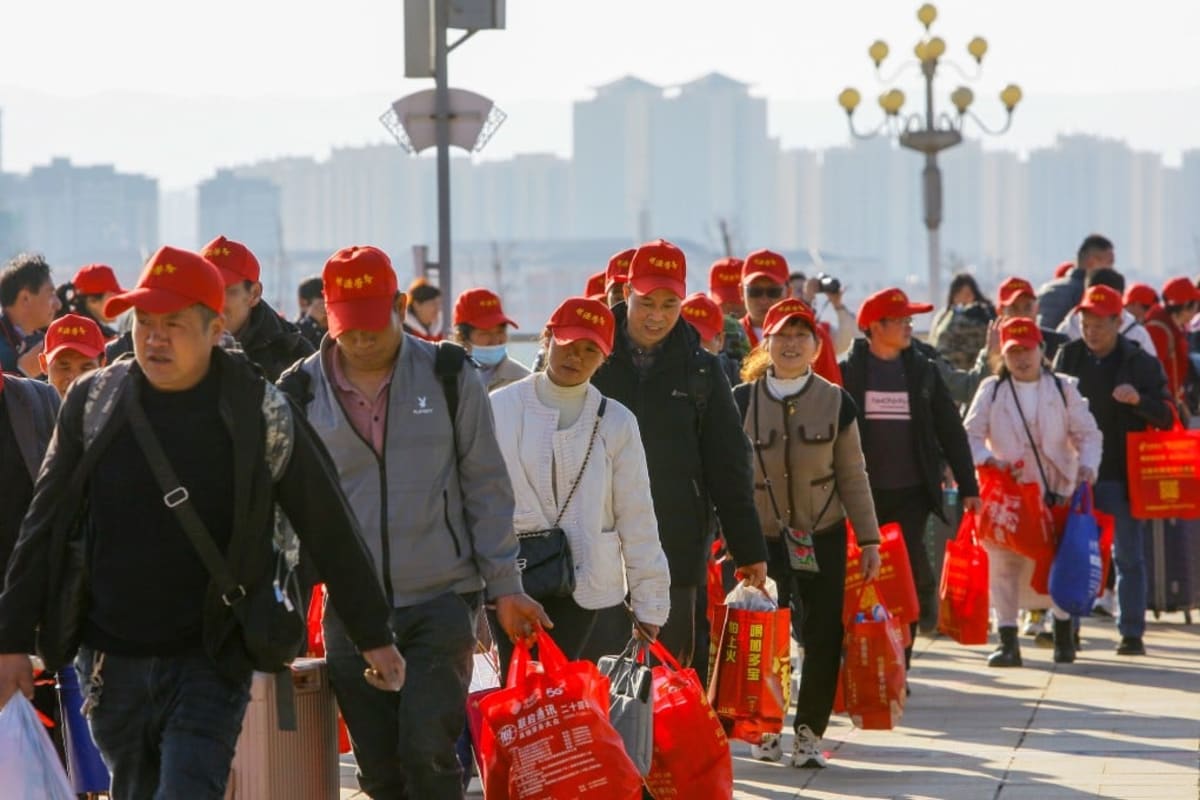
Think about what this means in practice. A construction worker from rural Sichuan who's spent 20 years building Shanghai's skyline can finally access the same healthcare as his colleagues. A delivery driver in Beijing can start building toward retirement benefits. Parents working far from home can get their kids into local public schools.
The timing matters too. China's migrant population has been growing steadily, and these workers form the backbone of the country's economy. They build the buildings, deliver the packages, and keep cities running. Yet they've been treated as second-class citizens in the places they call home.
The Ripple Effect
This reform does more than help individual workers. It removes a major obstacle to economic mobility and could reshape how hundreds of millions of people make decisions about where to live and work.
When workers can access benefits wherever they are, families can stay together instead of being split between rural hometowns and urban workplaces. Kids can grow up with their parents. Workers can invest in their communities instead of viewing their city jobs as temporary.
The change also reflects a bigger shift in how China thinks about its workforce. By separating residency from household registration, the government is acknowledging that modern life doesn't fit into rigid geographic boxes. People move for opportunity, and policy should move with them.
For gig economy workers, who've been especially vulnerable without traditional employment protections, the expanded coverage could mean the difference between one emergency wiping out their savings or having a safety net to catch them.
This is what progress looks like when governments tackle systemic barriers that have held people back for generations.
More Images
Based on reporting by South China Morning Post
This story was written by BrightWire based on verified news reports.
Spread the positivity!
Share this good news with someone who needs it