China Pairs Solar and Wind to Power 120 Hours of Energy
Chinese researchers mapped 320,000 solar facilities and 91,000 wind turbines to unlock a breakthrough in renewable energy reliability. When coordinated across provinces, solar and wind power can balance each other's natural ups and downs, cutting waste and powering the nation longer.
China just cracked the code on making renewable energy more reliable without building massive battery farms.
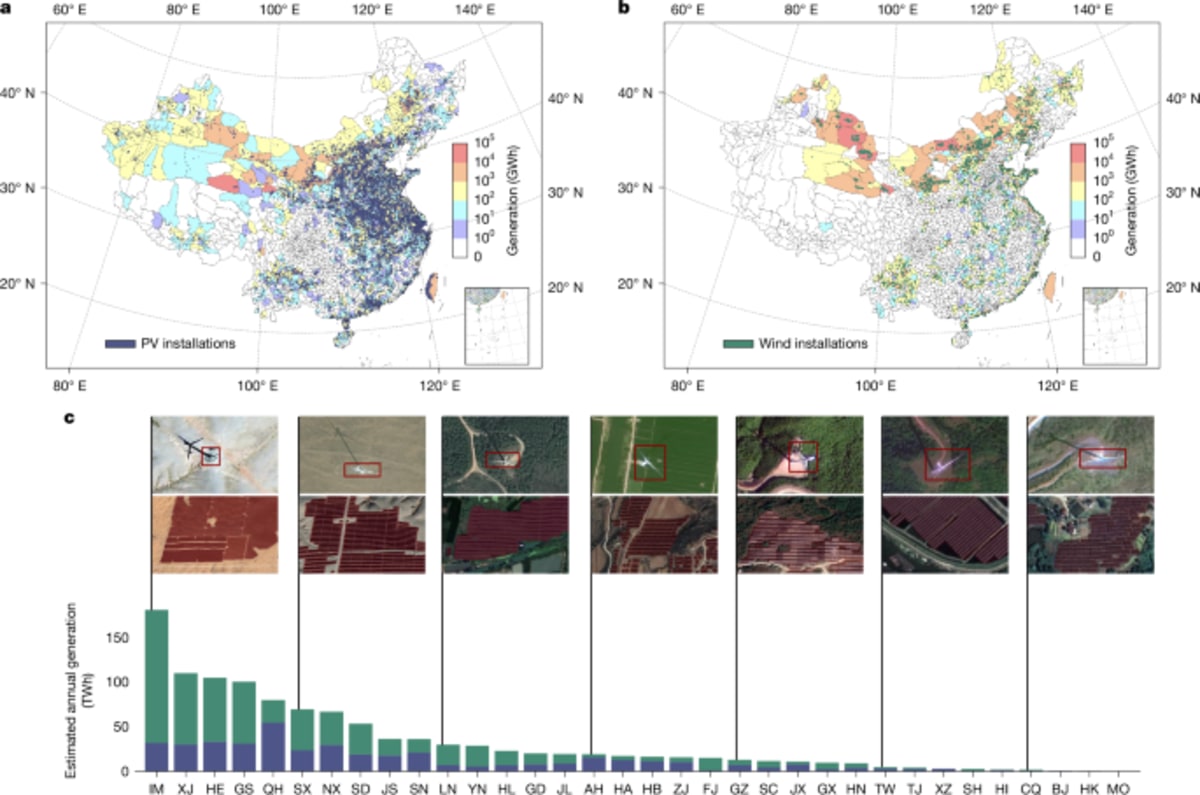
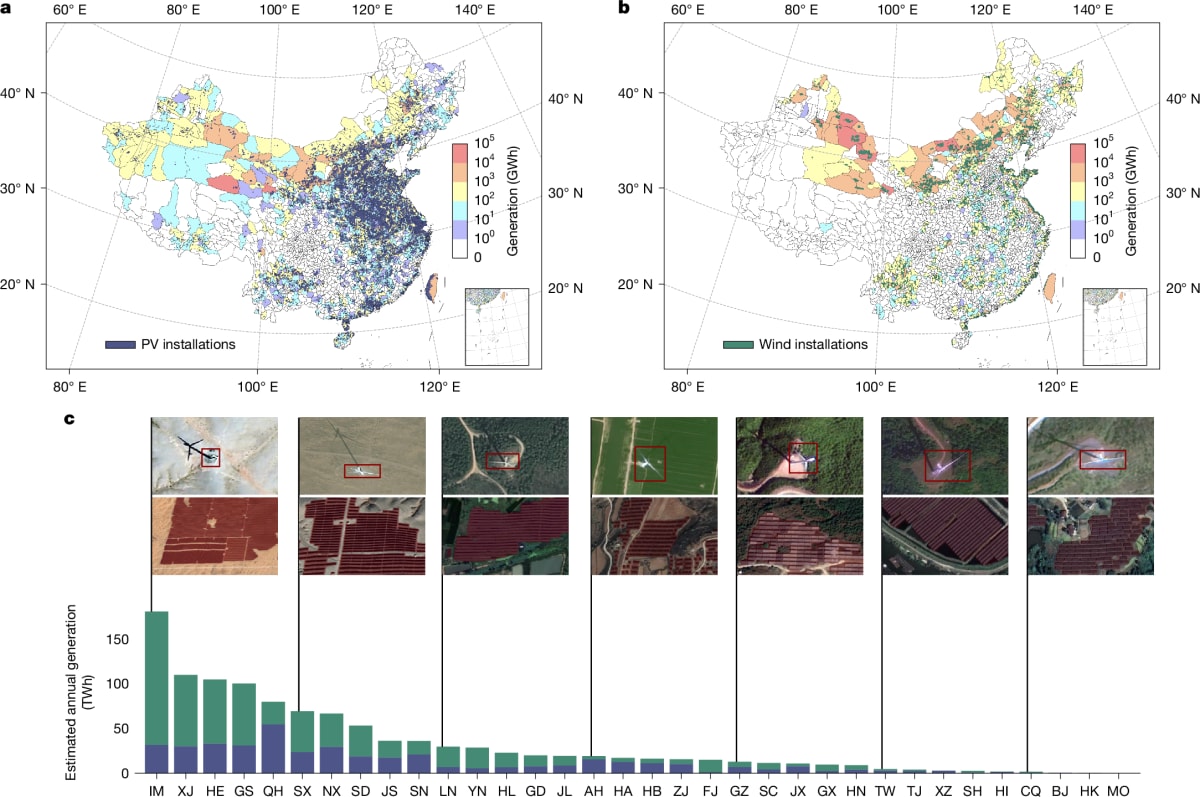
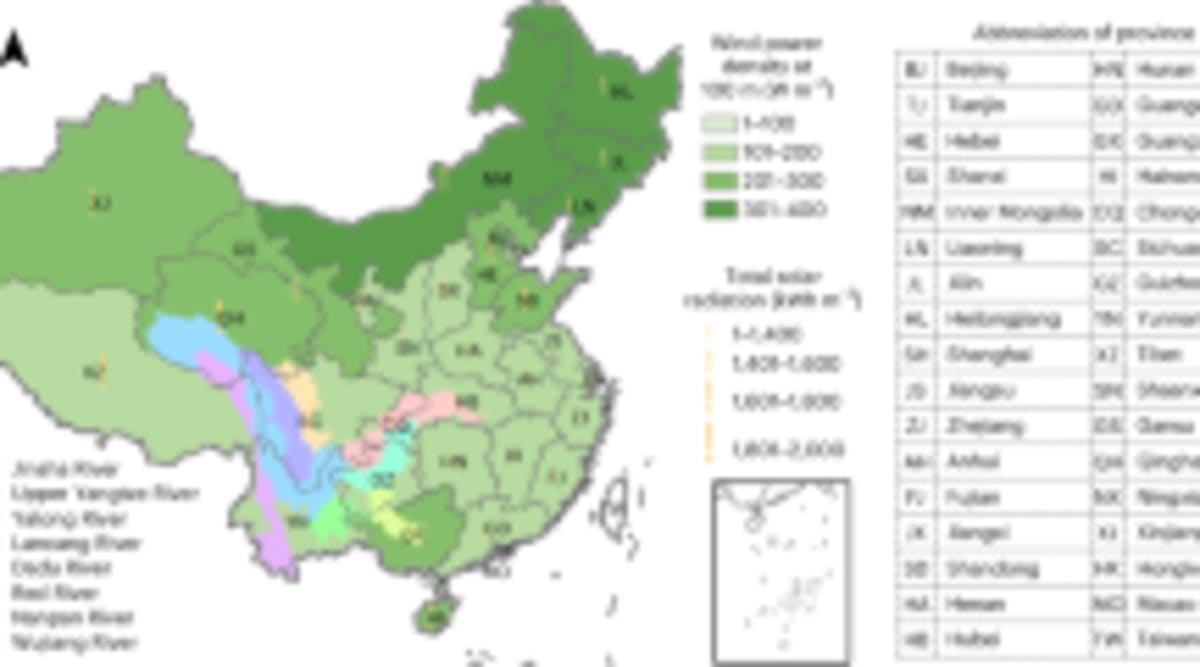
Scientists created the first complete map of China's renewable infrastructure using satellite imagery and artificial intelligence. They identified 319,972 solar photovoltaic facilities and 91,609 wind turbines operating across the country in 2022.
The team discovered something powerful: when you coordinate solar and wind energy across different regions, they naturally balance each other out. Solar panels produce the most power during sunny afternoons while wind turbines often generate more electricity at night and during different seasons.
This natural partnership solves one of renewable energy's biggest headaches. Solar and wind power fluctuate throughout the day and year, which can lead to wasted electricity when too much is generated or shortages when weather doesn't cooperate.
The study found that coordinating renewable resources across provincial boundaries could boost effective energy use by nearly 100 terawatt hours. That's enough electricity to power the entire country for approximately 120 hours at average demand levels.
The bigger the geographic area of coordination, the better the results. When provinces work together instead of managing their grids in isolation, the complementary effect becomes much stronger.
The Bright Side
This approach doesn't require expensive new technology or massive infrastructure investments. China already built the solar panels and wind turbines. The breakthrough comes from simply coordinating how different regions share their renewable power across existing transmission lines.
The findings offer a roadmap for other large nations wrestling with renewable integration challenges. The United States, India, and the European Union could apply similar coordination strategies to their power grids.
China's renewable sector has grown so rapidly that managing all that clean energy became a challenge. The country was sometimes forced to curtail or waste solar and wind power because grid systems couldn't handle the variability. This new coordination approach dramatically reduces that waste.
The research demonstrates that geographic diversity acts like a natural battery. When the sun sets in eastern China, wind turbines in the west might be spinning faster. When summer heat reduces wind speeds in the south, northern regions can pick up the slack.
Clean energy just got more practical, proving that sometimes the smartest solutions come from working together across borders rather than building bigger storage facilities.
More Images
Based on reporting by Google News - Wind Energy
This story was written by BrightWire based on verified news reports.
Spread the positivity!
Share this good news with someone who needs it