China Plants 66B Trees, Turns Desert Into Carbon Sink
China's 46-year effort to plant trees around one of Earth's harshest deserts just proved humans can transform wastelands into climate solutions. The massive green wall is now actively pulling carbon dioxide from the air.
A forest the size of several countries is now breathing life into one of the planet's deadliest deserts, and scientists say it could change how we fight climate change.
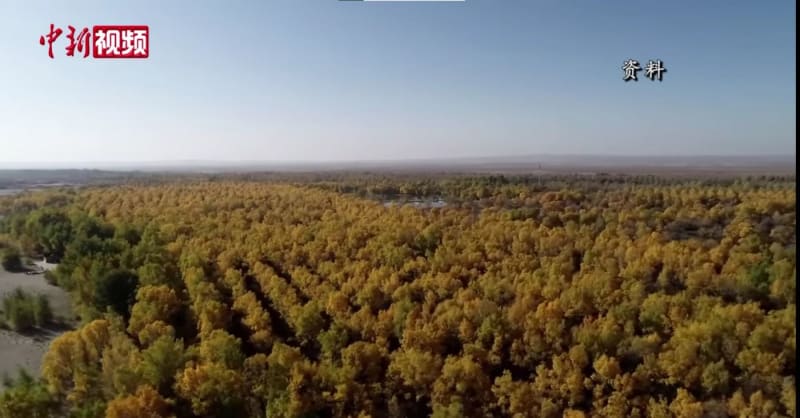
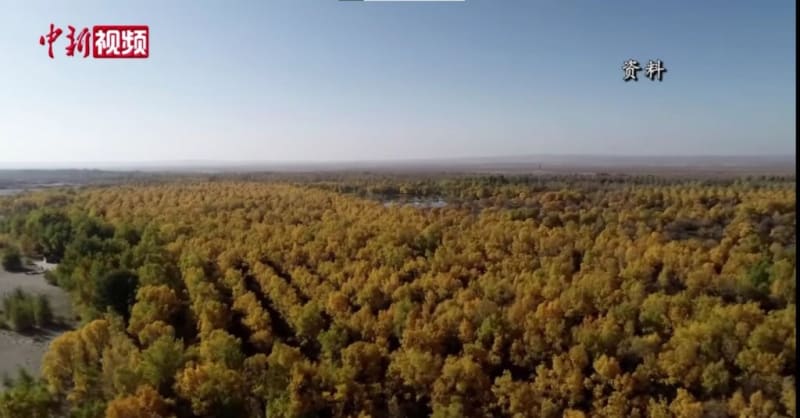
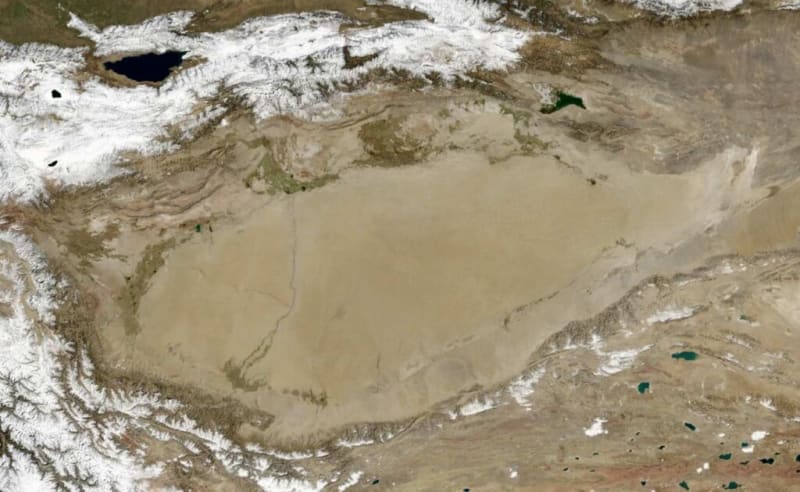
China finished planting 66 billion trees around the Taklamakan Desert in 2024, completing a project that started in 1978. Known as the "sea of death" in ancient times, this massive desert sits farther from any ocean than anywhere else on Earth, trapped between the Himalayas and other mountain ranges that block all moisture.
The original goal was simple: stop sandstorms from destroying nearby farms and grasslands. But NASA and Caltech researchers using satellite data discovered something remarkable happening along the tree line.
The forest is actually removing carbon dioxide from the atmosphere. Air quality measurements show CO2 levels dropped from 416 parts per million to 413 ppm across the region, while the global average sits at 429.3 ppm.
The trees created their own positive cycle. More trees brought slightly more rainfall, which sparked natural plant growth during wet seasons. That extra greenery supercharged photosynthesis along the entire forest belt, pulling even more carbon from the air.
"We found, for the first time, that human-led intervention can effectively enhance carbon sequestration in even the most extreme arid landscapes," said Yuk Yung, a Caltech planetary science professor and NASA research scientist. His team proved that deserts can be transformed into carbon sinks that actively fight climate change.
The discovery matters because deserts cover one-third of our planet but hold less than one-tenth of the world's stored carbon. That's a massive untapped opportunity.
The Ripple Effect
This success story arrives at a critical moment. Scientists agree that planting trees can help slow global warming, but they've warned there's limited land available for new forests. Opening up desert landscapes could multiply the available space dramatically.
Other countries are already trying similar projects. Spain is planting a huge forest ring around Madrid to cut heat and emissions. India added half a million acres of forest cover in just two years through mass tree planting.
The Chinese project proves these efforts work even in the most hostile environments imaginable. If the driest, most isolated desert on Earth can become a functioning carbon sink, other desert regions could follow.
Climate solutions don't always require cutting-edge technology or massive lifestyle changes. Sometimes the answer is as simple as planting trees, even where it seems impossible, and giving nature time to do what it does best.
More Images


Based on reporting by Good News Network
This story was written by BrightWire based on verified news reports.
Spread the positivity!
Share this good news with someone who needs it