China Pledges Global Space Cooperation to Protect Earth
China is expanding international partnerships in space exploration, including lunar missions, asteroid defense, and cleaning up space debris. The initiative aims to create shared benefits for all nations through collaborative space technology.
China just announced a major expansion of its international space cooperation program, opening doors for countries worldwide to join missions protecting Earth and exploring our cosmic neighborhood.
The China National Space Administration revealed plans to deepen partnerships in lunar exploration, planetary science, asteroid defense, and space debris cleanup. Administrator Shan Zhongde emphasized the country's commitment to providing "public goods" through these collaborations, treating space exploration as a shared human endeavor rather than a competitive race.
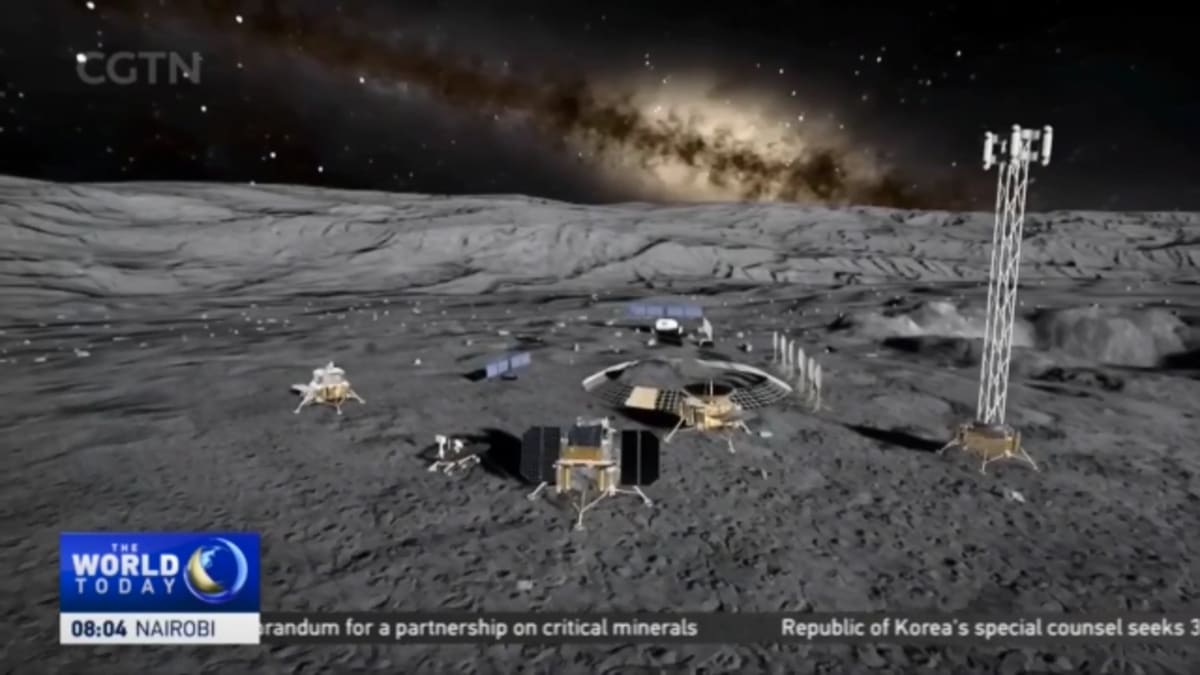
The announcement came during China Space Day celebrations, where officials outlined specific areas for cooperation. These include the International Lunar Research Station project, on-orbit services that keep satellites functioning longer, and critically important space debris mitigation efforts that protect everyone's assets in orbit.
Space debris has become an urgent concern as broken satellites and rocket parts create dangerous obstacles for functioning spacecraft. With thousands of objects already threatening active missions, international cooperation on tracking and removing debris benefits every nation with space operations.
China's offer to develop shared technology standards represents another practical step forward. When countries use compatible systems, space missions become safer and more efficient for everyone involved.
The Ripple Effect
This cooperation model could reshape how nations approach space exploration. Rather than duplicating expensive research, countries can pool resources and expertise, accelerating discoveries while reducing costs.
Smaller nations without major space programs stand to gain the most. Access to lunar research stations, planetary data, and debris tracking systems through international partnerships puts advanced space science within reach of countries that couldn't afford independent programs.
The asteroid defense cooperation deserves special attention. Unlike most space initiatives, protecting Earth from potential asteroid impacts requires global coordination. No single country can monitor all threats or mount defensive missions alone.
China's emphasis on "a shared future for humanity" in space signals a welcome shift toward viewing orbital space and celestial bodies as commons requiring collective stewardship. As more nations and private companies launch satellites, coordinated governance becomes essential to prevent conflicts and preserve access.
The International Lunar Research Station project offers a concrete example of this vision. Multiple countries contributing modules, instruments, and expertise can accomplish far more than isolated national programs.
The invitation to participate in space technology standards development gives all nations a voice in shaping future space operations. These technical details about communication protocols, docking mechanisms, and data sharing formats determine whether tomorrow's space missions can work together seamlessly.
Space cooperation builds more than scientific knowledge. Working together on complex technical challenges creates relationships and understanding that extend beyond laboratories and launch pads into diplomatic halls.
Based on reporting by Google: cooperation international
This story was written by BrightWire based on verified news reports.
Spread the positivity!
Share this good news with someone who needs it