China's Moon Mission to Hunt for Water Ice Launches in 2026
China's ambitious Chang'e-7 spacecraft has arrived at its launch site, ready to search for water ice at the moon's south pole in late 2026. The mission could unlock the key to sustainable human life on the lunar surface.
A spacecraft that could change the future of lunar exploration just arrived at China's Wenchang spaceport, gearing up for a groundbreaking mission to find water on the moon.
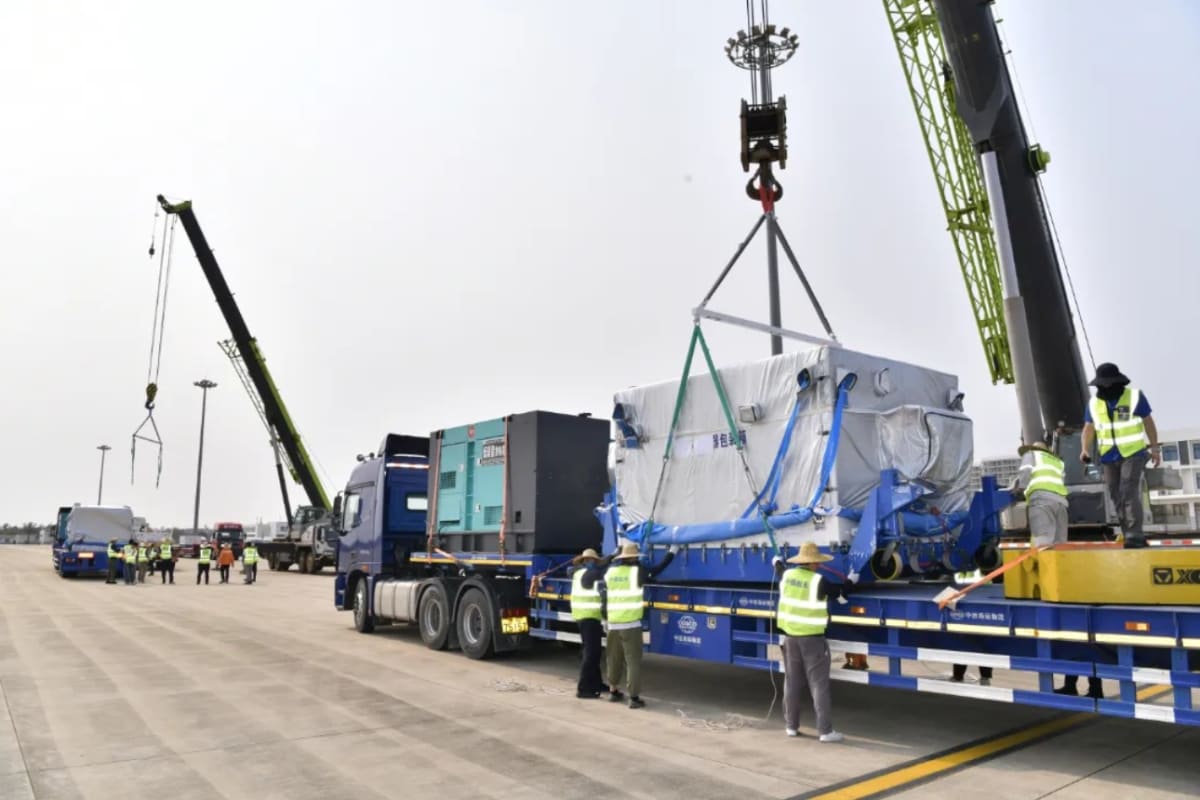
China's Chang'e-7 mission landed in Hainan on April 9, transported aboard a massive cargo aircraft from Beijing. The multi-part spacecraft will launch in August 2026 aboard a Long March 5 rocket, bound for the moon's mysterious south pole.
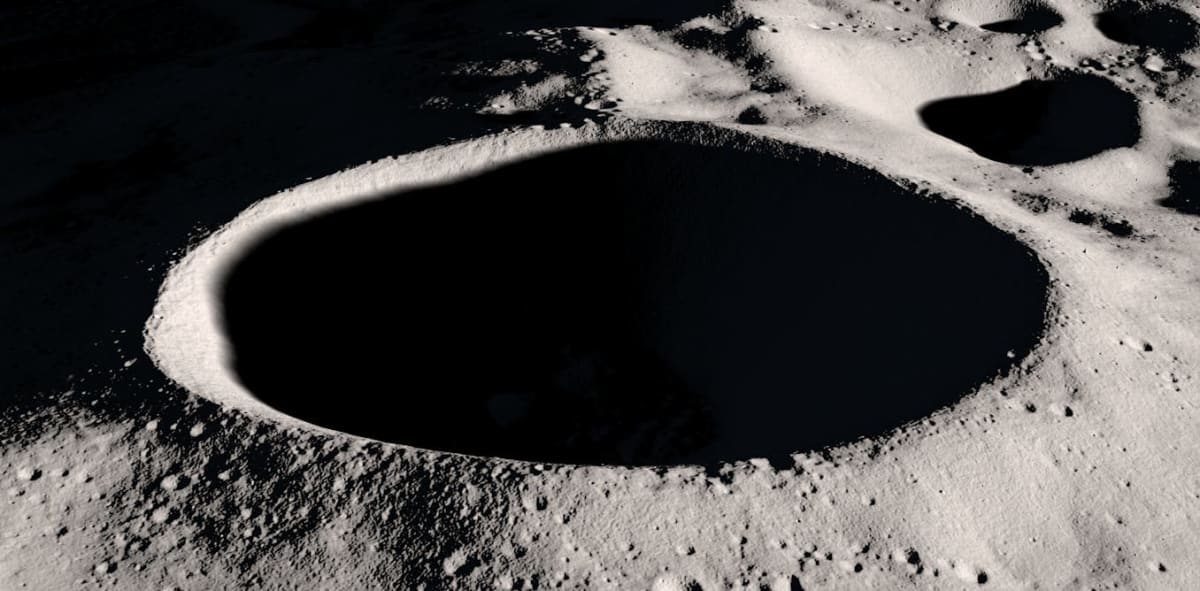
What makes this mission special is its unique hopping probe. This mini spacecraft is designed to brave the freezing darkness of permanently shadowed craters, drilling into the lunar soil to hunt for water ice that hasn't seen sunlight in billions of years.
Finding water on the moon isn't just exciting for scientists. It could provide drinking water and oxygen for future astronauts living on the lunar surface. Even more remarkably, water can be split into hydrogen and oxygen to create rocket fuel, turning the moon into a potential refueling station for deeper space exploration.
The mission packs serious scientific punch with 18 different instruments spread across an orbiter, lander, rover, and that special hopping probe. Italy contributed a laser reflector, showcasing international cooperation in this lunar venture.
Chang'e-7 represents a crucial step in China's vision for a permanent robotic and eventually crewed presence on the moon. Together with the planned Chang'e-8 mission in 2029, these spacecraft will form the foundation of the International Lunar Research Station.
Why This Inspires
The global race to explore the moon's south pole isn't about competition—it's about humanity's shared future beyond Earth. NASA is also planning its own water-hunting VIPER mission for 2027, showing how multiple nations are working toward the same hopeful goal of making lunar living possible.
The technology being developed for these missions could help solve problems here on Earth too. Systems that can find and extract resources in extreme environments might one day help communities access water in harsh climates or remote locations.
This moment marks something remarkable: after decades of wondering about water on the moon, we're finally sending the tools to find definitive answers. The discoveries waiting in those shadowed craters could write the next chapter of human exploration.
More Images


Based on reporting by SpaceNews
This story was written by BrightWire based on verified news reports.
Spread the positivity!
Share this good news with someone who needs it