New Wildflower Species Discovered in New Jersey Pine Barrens
A Temple University researcher discovered a wildflower species that exists nowhere else on Earth, hiding in plain sight in New Jersey's Pine Barrens for thousands of years. The finding could secure new protections for the rare plant.
For thousands of years, a delicate white wildflower has bloomed exclusively in New Jersey's Pine Barrens, and scientists finally realized it's been a unique species all along.
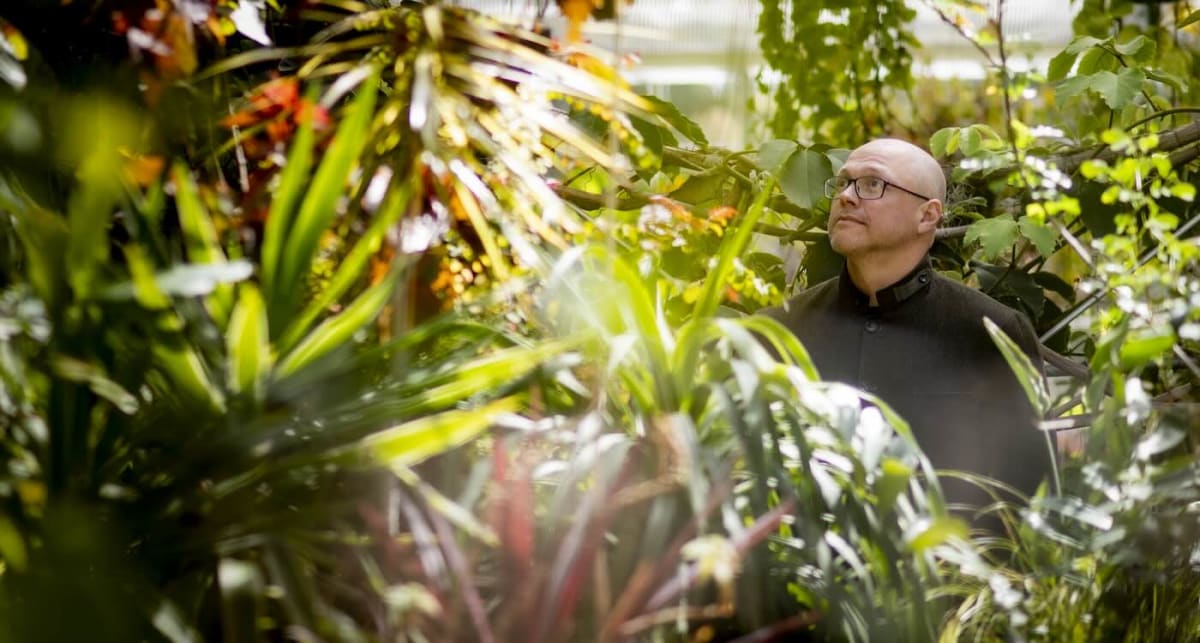
Temple University researcher Sasha Eisenman identified the long misunderstood plant as completely distinct from its relatives, formally naming it Triantha novacaesariensis after the Garden State. The discovery is especially remarkable because the northeastern United States has been so thoroughly studied that finding something genuinely new is rare.
"It's very special, very rare and only exists in this one place in the entire world," said Eisenman, an associate professor in horticulture. That place happens to be the Pine Barrens National Reserve, stretching across nearly a million acres of southern New Jersey and home to some of the region's most distinctive ecosystems.
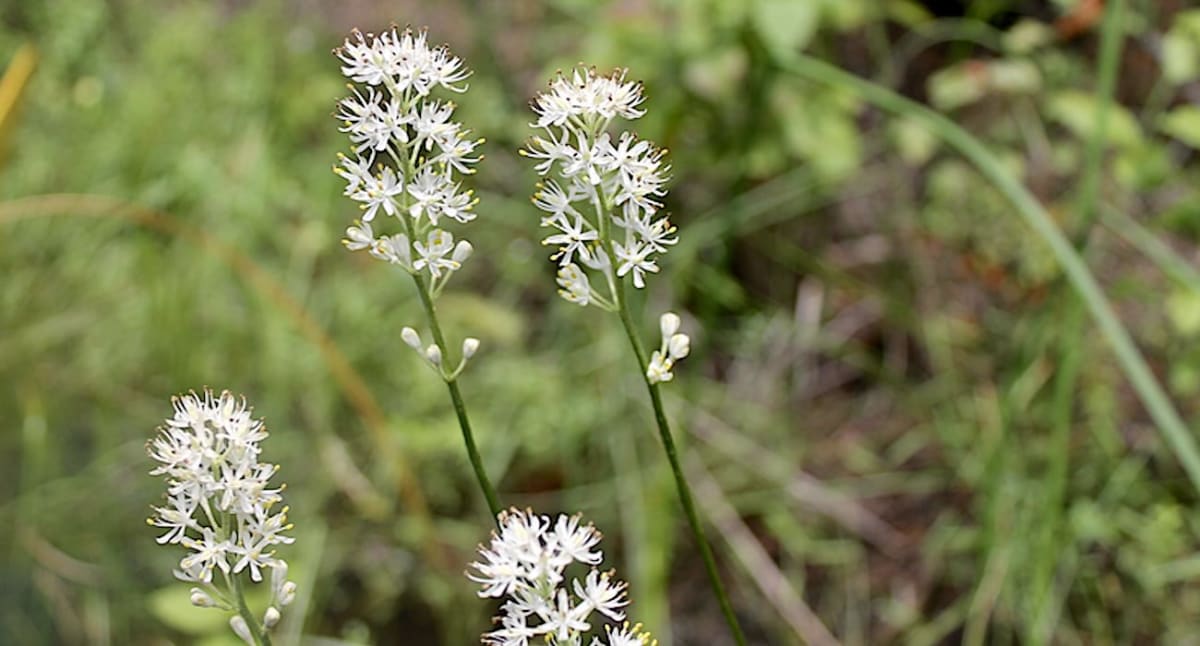
The plant features clusters of thin, strap-like leaves and white six-petaled flowers that rise above surrounding grasses. For years, botanists assumed it was either Triantha racemosa, a species typically found much farther south, or possibly a hybrid of two other known species.
Eisenman spent over a decade combining genetics, fieldwork, and historical plant records to solve the mystery. He studied preserved plant samples from across the U.S. and Canada, comparing them with field samples from New Jersey and related populations from Maine to Florida.
The research revealed that all New Jersey plants carry a unique genetic signature and have distinct physical traits setting them apart. The nearest known populations of their closest relatives are hundreds of miles away, suggesting the New Jersey plants likely originated long ago when two species intermingled but have persisted independently for millennia.
"It's been a stable population or group of populations for a long time," Eisenman explained. "It's not just a chance accident."
The Ripple Effect
Having an official name changes everything for this rare wildflower. Until a plant is formally identified as unique, it lacks the scientific standing needed for targeted conservation efforts and legal protections.
Now that Triantha novacaesariensis is officially recognized, researchers and land managers have a clear basis for understanding its significance and planning its care. The discovery provides New Jersey with the scientific foundation to develop specific protections for a species found nowhere else on the planet.
The project drew support from researchers, herbarium curators, and conservation partners across the U.S. and Canada. For Eisenman, who studies both wild and cultivated plants, the discovery reflects a broader commitment to understanding and protecting biodiversity.
New Jersey's newest resident, formally recognized after hiding in plain sight, now has the protections it needs to thrive for generations to come.
More Images
Based on reporting by Good News Network
This story was written by BrightWire based on verified news reports.
Spread the positivity!
Share this good news with someone who needs it