125-Million-Year-Old Fossil Reveals Ancient Shellfish Moms
Scientists discovered a perfectly preserved pregnant shellfish fossil from the age of dinosaurs, complete with tiny babies still tucked inside. The 125-million-year-old find shows that ancient mothers were using surprisingly sophisticated strategies to protect their young long before humans walked the Earth.
A fossilized shellfish mother has held onto her babies for 125 million years, and scientists just discovered her incredible secret.
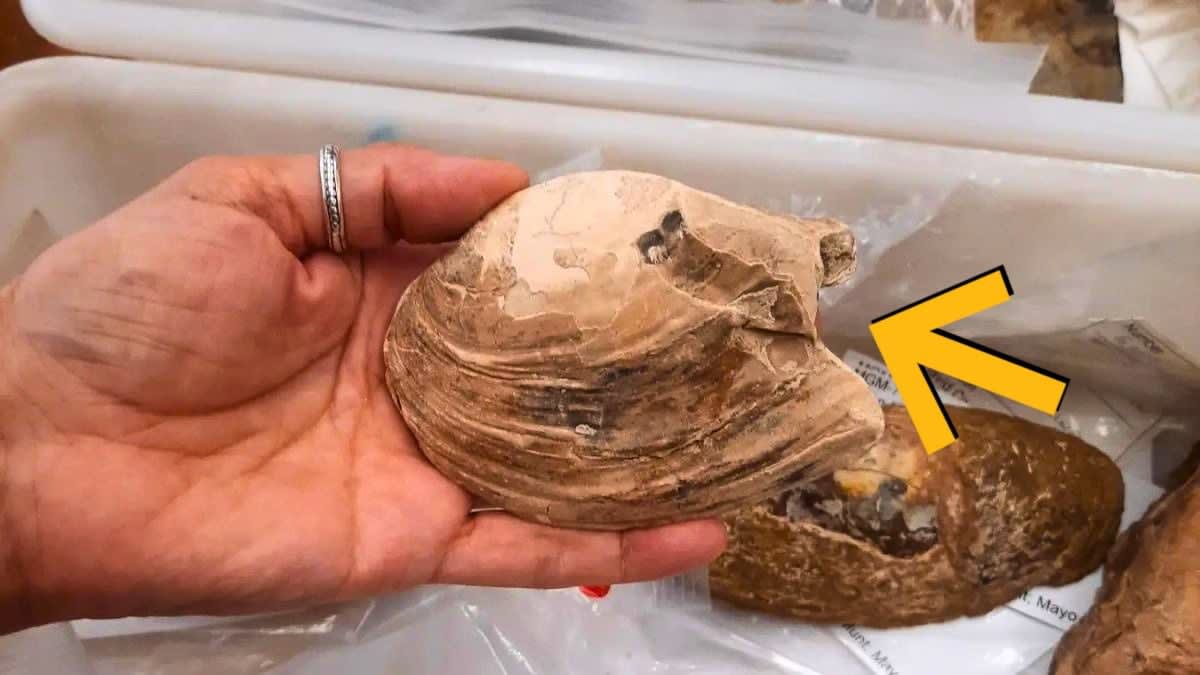
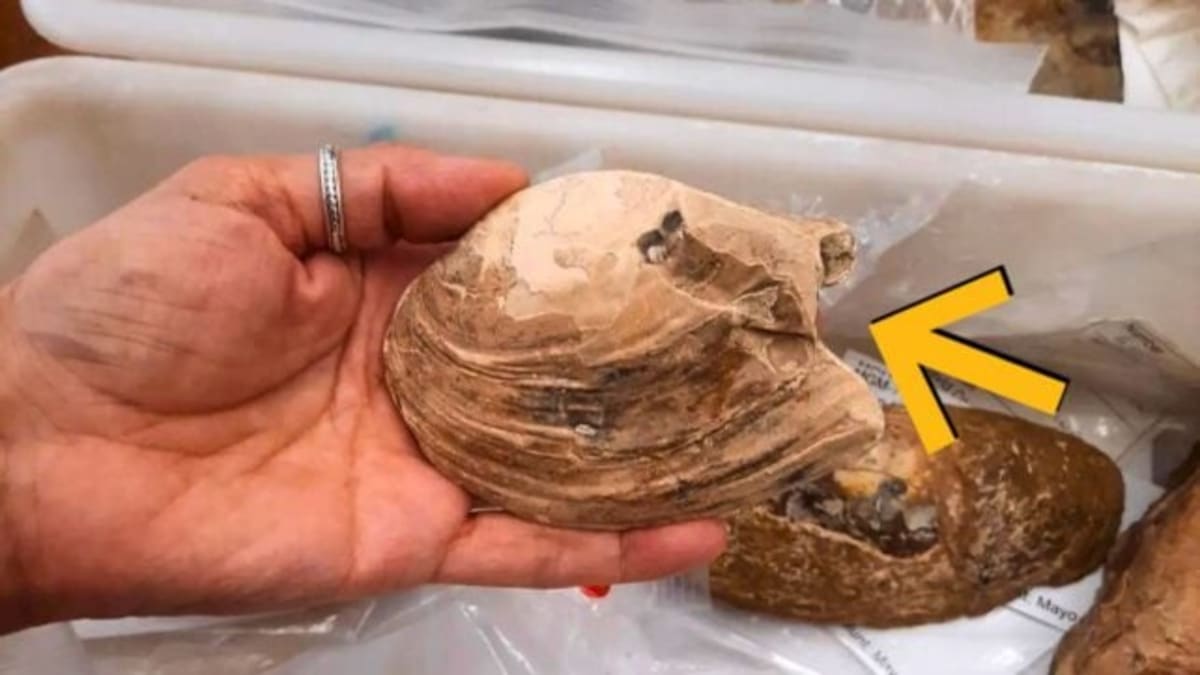
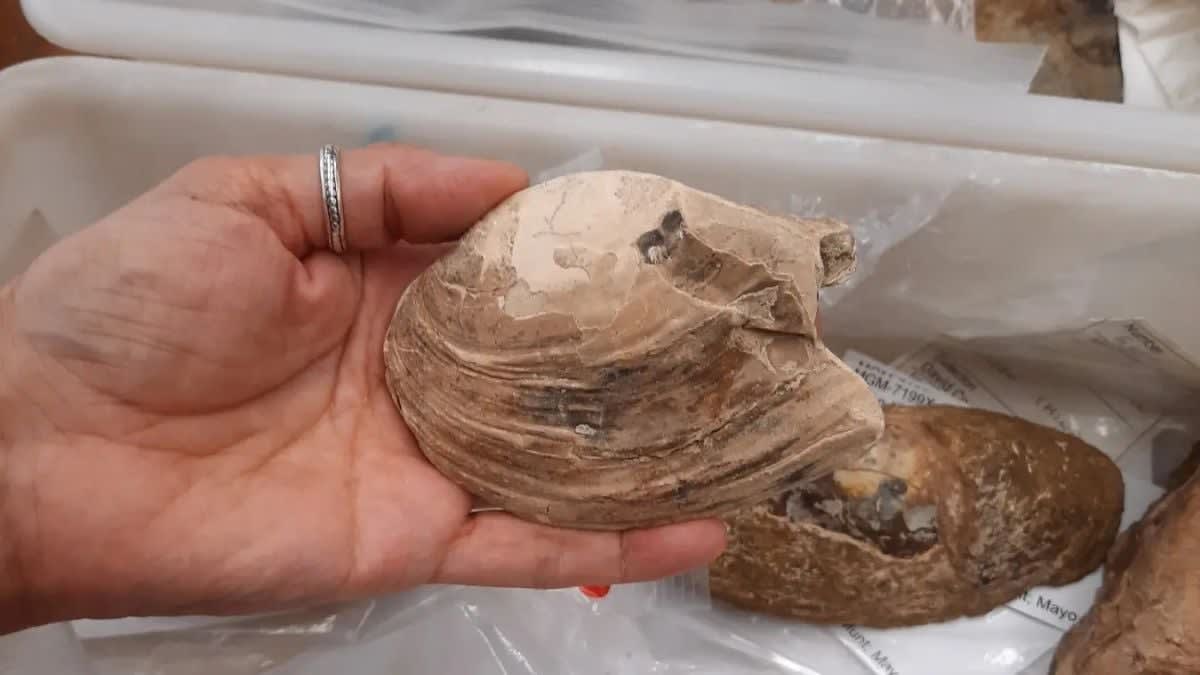
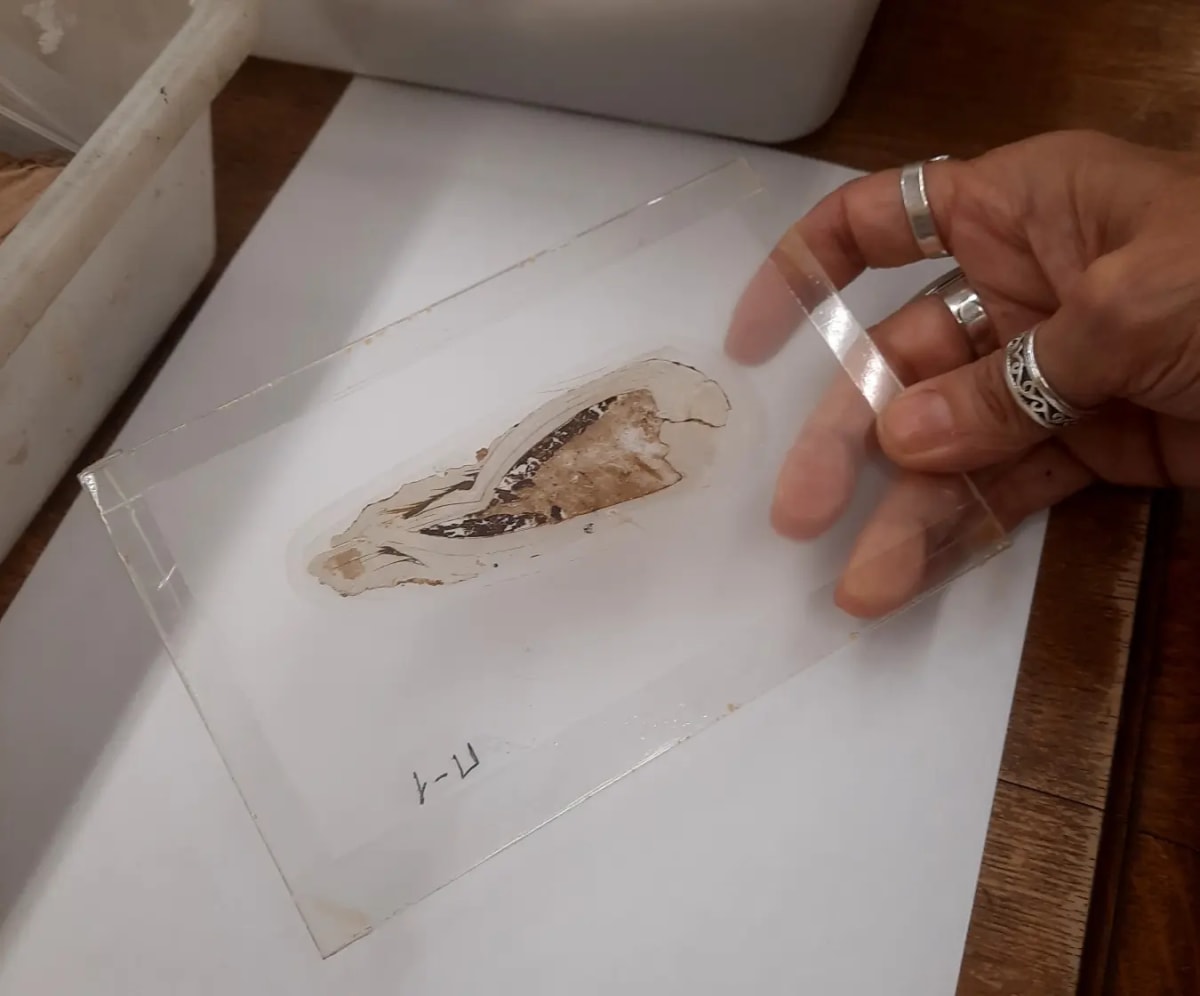
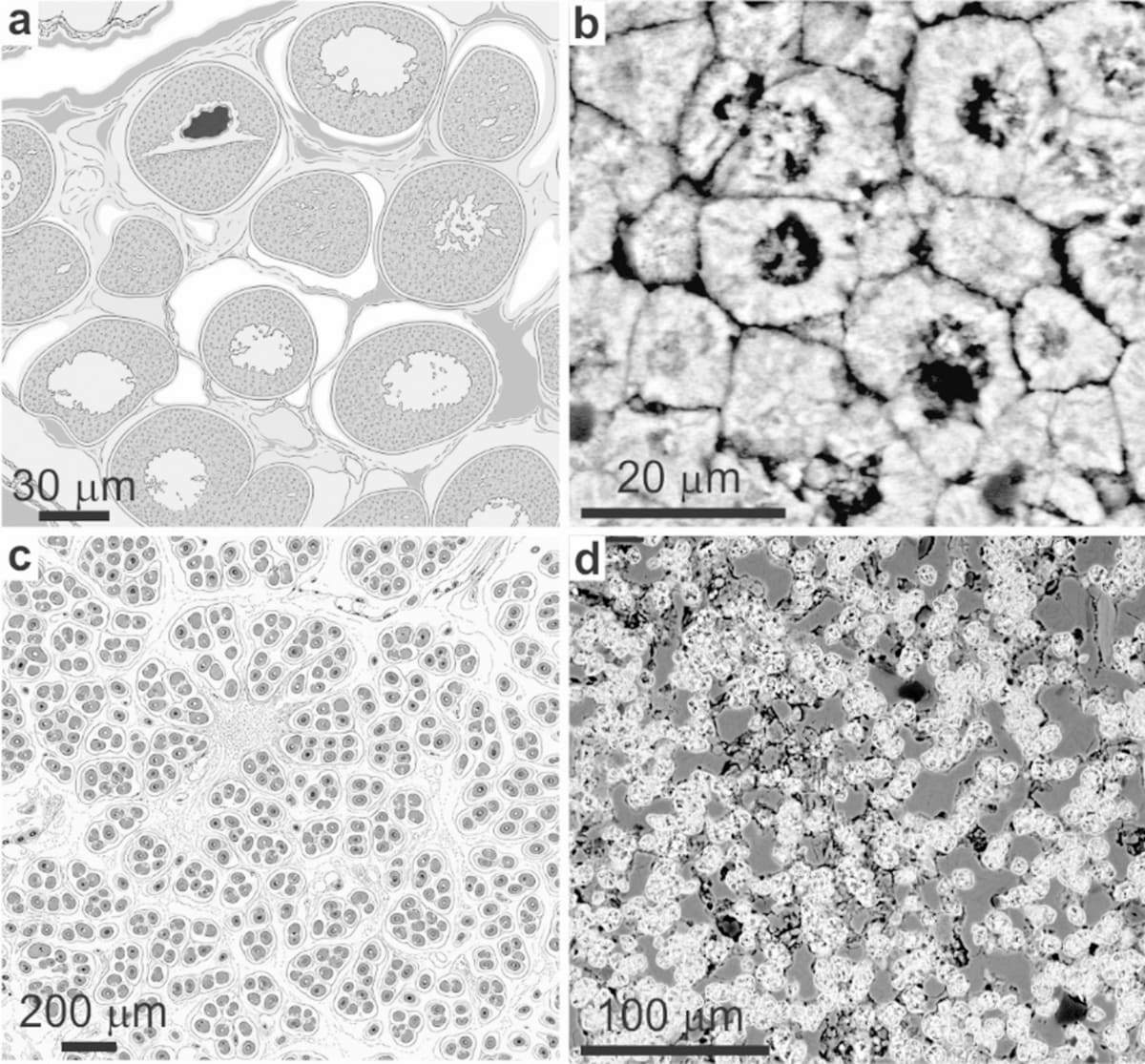
Researchers studying fossils on England's Isle of Wight found something they'd been searching for over decades: ancient bivalve shells containing perfectly preserved soft tissues, including developing embryos and larvae. The discovery published in Scientific Reports offers the earliest known evidence that these ancient creatures cared for their young inside specialized brood chambers.
The fossil shellfish, called Margaritifera valdensis, used a reproductive strategy that still exists today in their distant relatives, freshwater pearl mussels. Female shellfish created safe nurseries inside their gills, providing shelter and calcium to their growing babies before releasing them into the world.
Martin Munt, a curator at the UK's Dinosaur Isle Museum, says the find helps explain how these animals successfully adapted to freshwater environments millions of years ago. Until now, scientists could only guess about ancient reproductive methods because soft tissues typically decay quickly after death.
The discovery also solved a 200-year-old mystery about a dark material called "molluskite" found in similar fossils. Turns out, researchers were looking at mineralized reproductive tissues all along.
Why This Inspires
This tiny fossil mother reminds us that protecting the next generation has been nature's priority for millions of years. While these shellfish might seem like simple creatures, they evolved complex parenting strategies that rival anything in the animal kingdom today.
The preservation of such delicate tissues is extraordinarily rare, making each specimen a precious window into ancient life. Scientists estimate there are over 50,000 living bivalve species today, including clams, oysters, and mussels that play crucial roles in keeping our freshwater systems healthy.
These discoveries matter beyond academic curiosity. Freshwater mussels serve as living indicators of environmental health, and many species currently face serious threats from pollution and habitat destruction.
The fact that these remarkable parents survived and thrived for 125 million years shows nature's resilience, even as it reminds us to protect the ecosystems where their descendants still live today.
More Images
Based on reporting by Google: fossil discovery
This story was written by BrightWire based on verified news reports.
Spread the positivity!
Share this good news with someone who needs it