Costa Rica: Where Whales From Both Poles Come to Give Birth
Costa Rica's Golfo Dulce is the only place on Earth where humpback whales from both hemispheres meet to raise their young. A stunning new documentary reveals why this remote inlet became nature's chosen nursery.
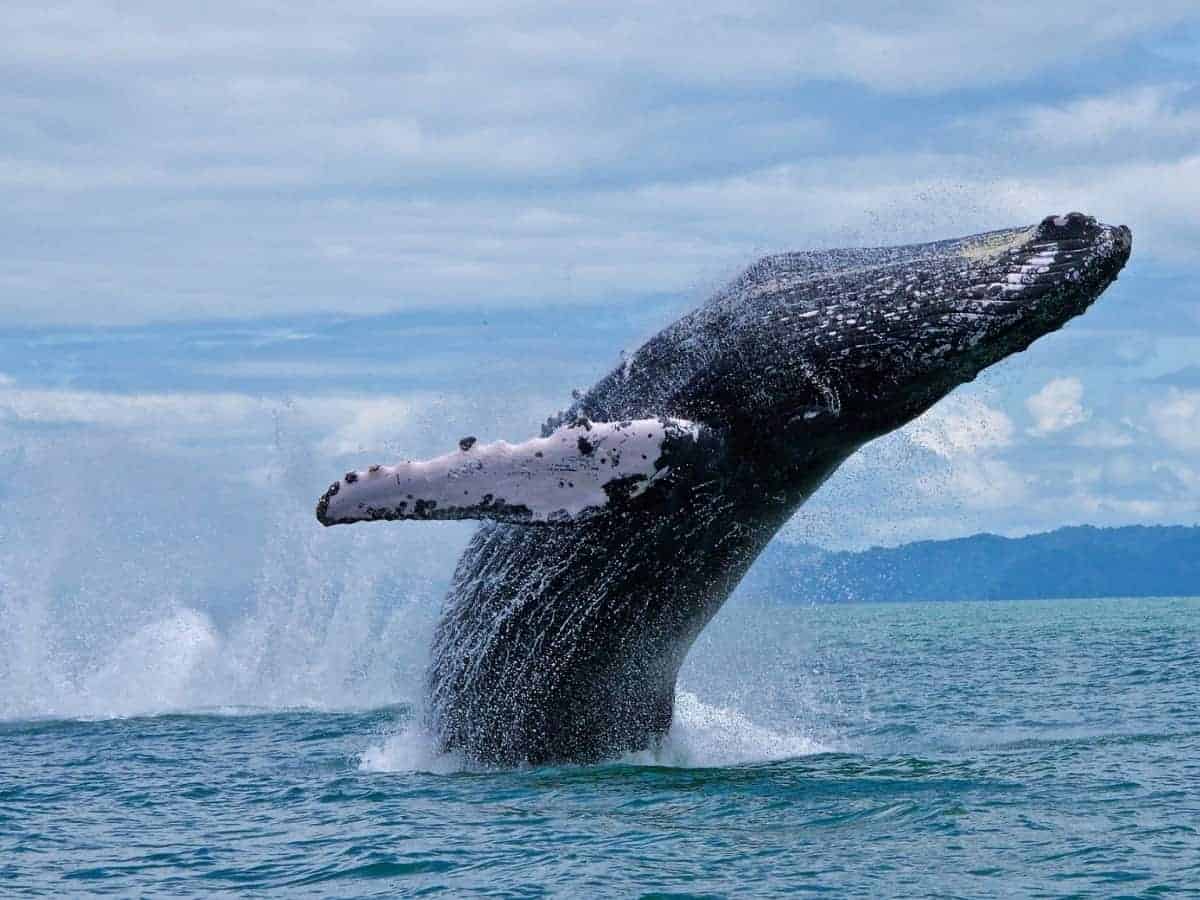
There's only one place on the entire planet where humpback whales from Antarctica and North America both choose to give birth, and it's tucked into the southern tip of Costa Rica.
Golfo Dulce, a deep tropical inlet separating the Osa Peninsula from the mainland, hosts mothers who've swum thousands of miles from opposite ends of the globe. Researchers call it the womb of the Pacific.
A new documentary called "Costa Rica, Cradle of Whales" spent three years capturing why these gentle giants make such an exhausting journey. The film premiered this week on national television and went online free immediately after broadcast.
Director María Jesús Prada worked alongside marine biologist Frank Garita and a team that embedded scientists into every stage of production. They filmed with drones, underwater cameras, and hydrophones that recorded whale songs, checking every claim against academic standards before it reached viewers.
The stakes for these mothers couldn't be higher. Humpbacks carry one of the longest pregnancies in the ocean, and by the time they arrive in Costa Rican waters, most haven't eaten in months. They nurse their calves anyway, teaching them to breathe, dive, and travel before turning around for the long swim home.
The documentary explains mysteries scientists are still unraveling. Humpbacks sing without vocal cords, using a mechanism the film demonstrates. Male songs change from season to season across entire populations, though researchers can't fully explain why.
Why This Inspires
Costa Rica gets nearly year-round visits from these magnificent travelers. The southern hemisphere population arrives from mid-July through November, peaking right now in August and September. Northern whales visit from December through April, creating one of the longest whale watching windows anywhere on Earth.
Local communities have built careful tourism around this natural wonder. The annual Whale and Dolphin Festival in Osa happens during peak season in early September, offering discounted tours for residents alongside educational talks and community events.
Rules protect the nursing pairs from boats that might separate mothers from calves. Environmental permits ensure tour operators keep safe distances, because a calf that loses contact with its mother in open water faces serious danger.
Golfo Dulce itself carries strong protections. The government declared part of it Central America's first shark sanctuary in 2018, protecting scalloped hammerhead sharks. The area earned designation as a Mission Blue Hope Spot, and Piedras Blancas National Park safeguards 35,000 acres of rainforest along its shore.
The broadcaster plans new wildlife documentaries every three months, focusing on Costa Rican ecosystems. For a country that successfully markets its biodiversity worldwide, homegrown filmmaking at this scale has been surprisingly rare until now.
The best time to see these ocean travelers is early morning, when seas are calmest and whales most active.
More Images




Based on reporting by Tico Times Costa Rica
This story was written by BrightWire based on verified news reports.
Spread the positivity!
Share this good news with someone who needs it