China Powers AI Servers With Wind Energy Under the Sea
Off Shanghai's coast, engineers just launched the world's first undersea data center powered directly by offshore wind turbines and cooled by ocean water. The breakthrough could slash AI's massive energy footprint while saving millions of tons of coal every year.
The future of artificial intelligence just moved underwater, and it could solve one of tech's biggest energy problems.
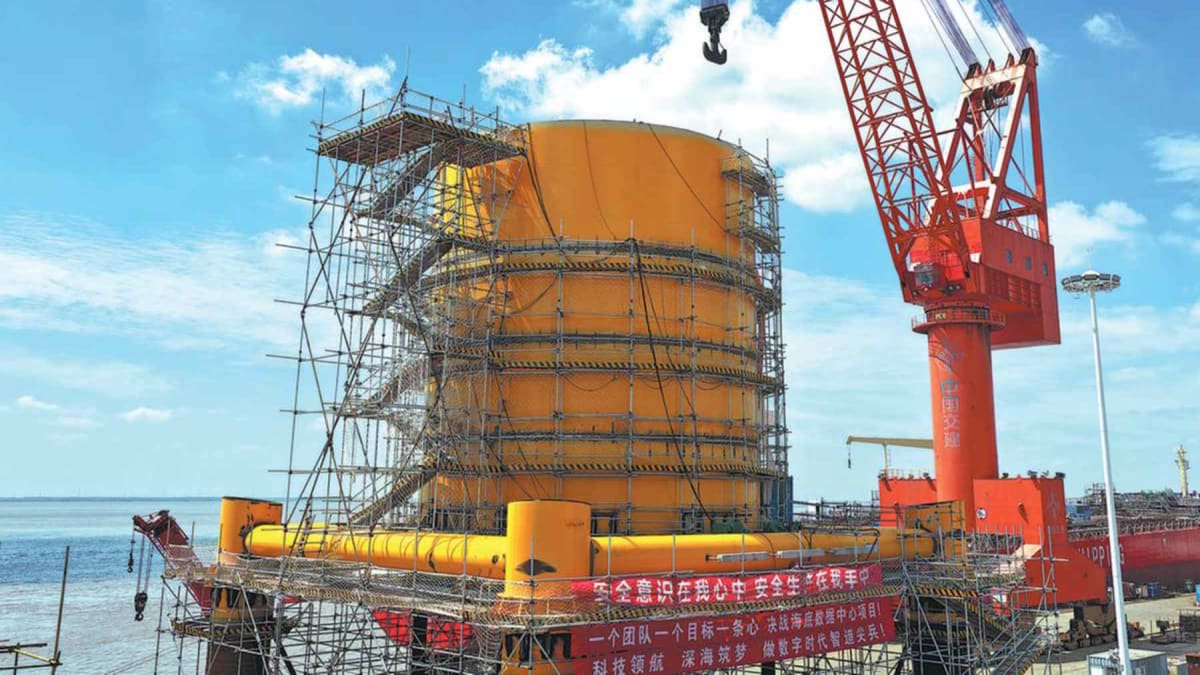
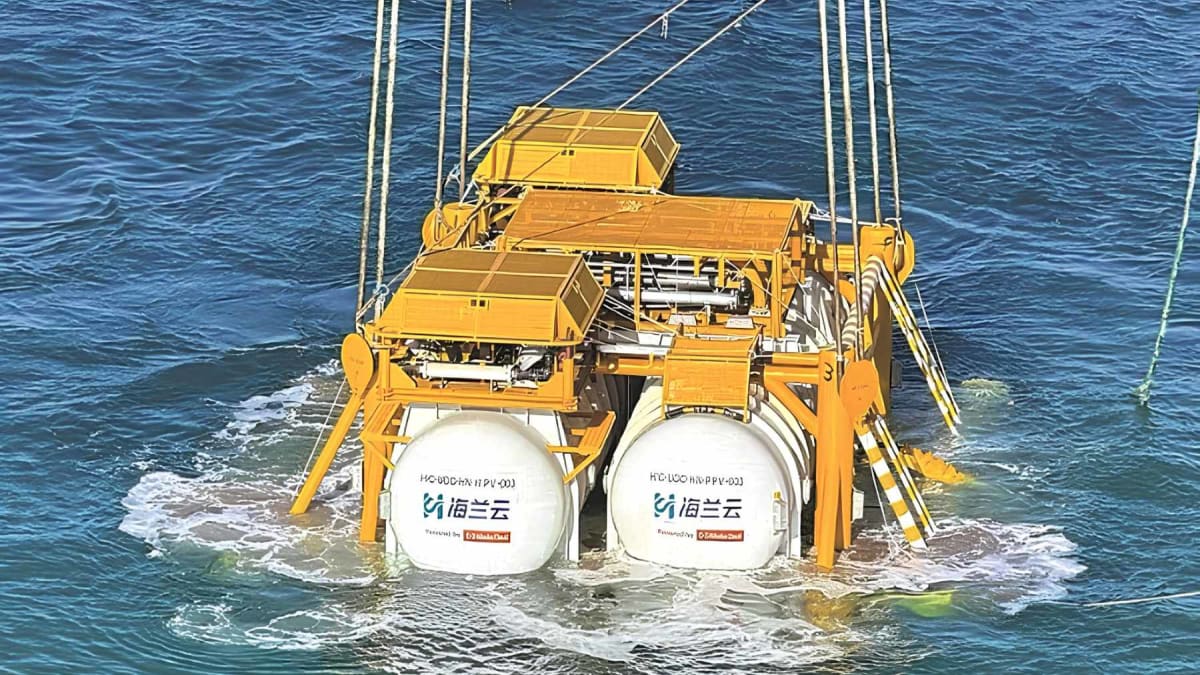
China opened the world's first undersea data center in May, sitting six miles off Shanghai's coast. The facility runs entirely on electricity from nearby offshore wind farms, using cold seawater to keep its servers from overheating.
The setup sounds like science fiction, but it tackles a very real crisis. AI data centers are devouring electricity at breakneck speed, and keeping them cool enough to function burns through even more power and precious freshwater.
The Shanghai Lingang project changes that equation completely. By submerging servers in the ocean and connecting them directly to wind turbines, engineers eliminated the usual grid connection and tapped into an endless supply of natural cooling.
The numbers tell the story. The system uses 22.8% less electricity than traditional data centers, needs zero freshwater, and takes up 90% less land. For a technology racing to keep up with AI's explosive growth, those savings matter enormously.
Global electricity demand from AI data centers jumped 50% in 2025 alone. The International Energy Agency expects total data center power use to nearly double by 2030, reaching 950 terawatt hours. That's roughly equal to the entire electricity consumption of Japan.
Cooling typically devours about one third of a data center's energy. Tsinghua University Professor Li Zhen says underwater facilities could drop that to one tenth. If China applied this model nationwide, it would save 50 billion kilowatt hours annually, equal to avoiding 16.5 million tons of coal burning every year.
The current phase operates at 2.3 megawatts, with plans to scale up to 24 megawatts. That's enough electricity to power 20,000 homes, now dedicated to keeping AI running without the usual environmental cost.
Microsoft tested similar technology years ago with Project Natick off Scotland's coast, but that was research. Shanghai's facility represents something different: commercial infrastructure designed to handle real AI workloads while generating its own clean power.
The Ripple Effect
The breakthrough arrives at exactly the right moment. As AI transforms everything from medicine to climate science, its appetite for electricity threatens to overwhelm power grids and drain water supplies in cities already stretched thin.
Placing data centers offshore solves multiple problems at once. Wind farms generate power where it's needed. Ocean water provides endless cooling without pumping or treatment. And valuable urban land stays available for people instead of massive server warehouses.
Challenges remain, of course. Saltwater corrodes equipment. Storms threaten exposed infrastructure. Repairs require marine engineers instead of technicians with toolboxes. Heat released into local waters could affect marine ecosystems if projects multiply.
But those are engineering problems, not showstoppers. The physics work. The economics increasingly make sense. And the environmental benefits keep growing as AI's energy demands climb higher.
This single facility off Shanghai's coast just proved that renewable energy and artificial intelligence can grow together instead of competing for the same resources, turning wind and waves into the unlikely foundation for humanity's digital future.
More Images


Based on reporting by Google News - Wind Energy
This story was written by BrightWire based on verified news reports.
Spread the positivity!
Share this good news with someone who needs it