China Solar Program Cuts Poverty and Pollution in Rural Areas
A groundbreaking solar energy program in rural China boosted local economies by 3% while dramatically cleaning the air. The initiative proves clean energy can fight poverty and pollution at the same time.
Imagine powering your home with sunshine while earning enough money to lift your family out of poverty. That's exactly what happened for hundreds of thousands of rural Chinese households through a remarkable clean energy program.
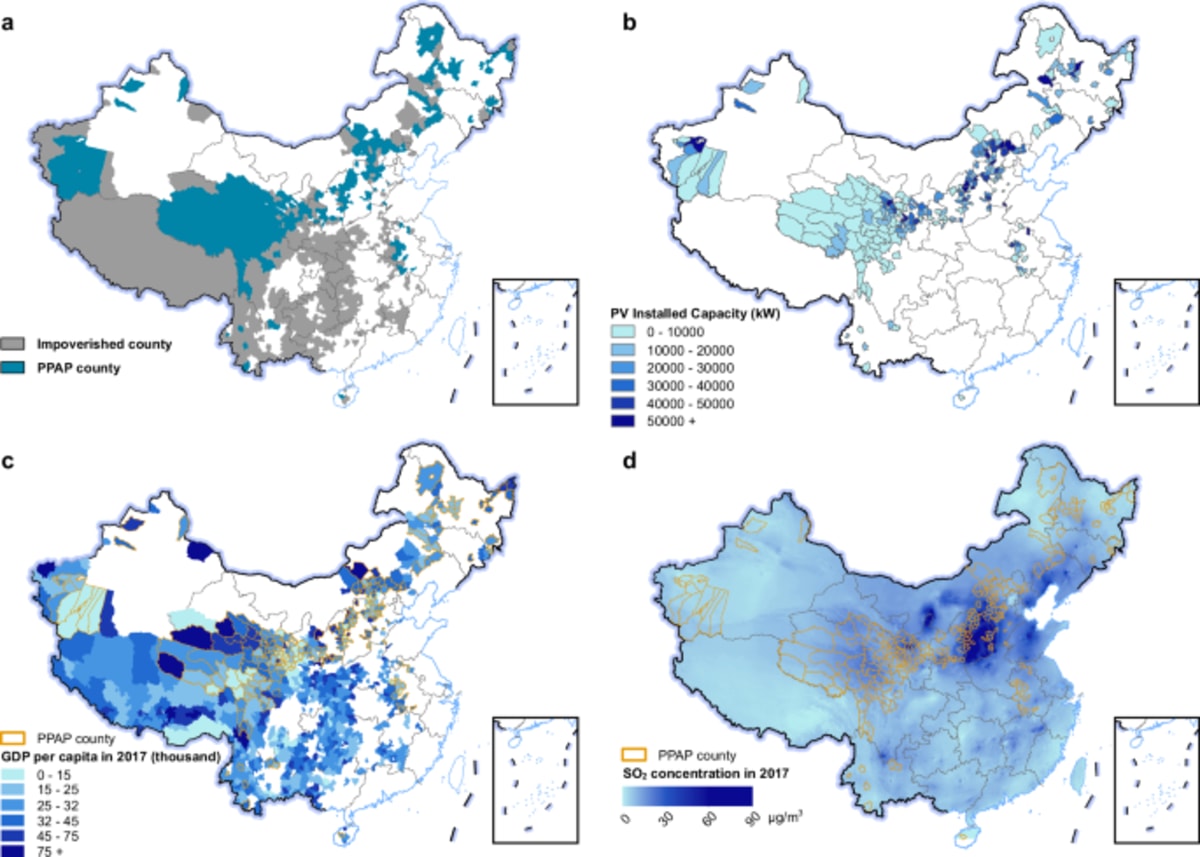
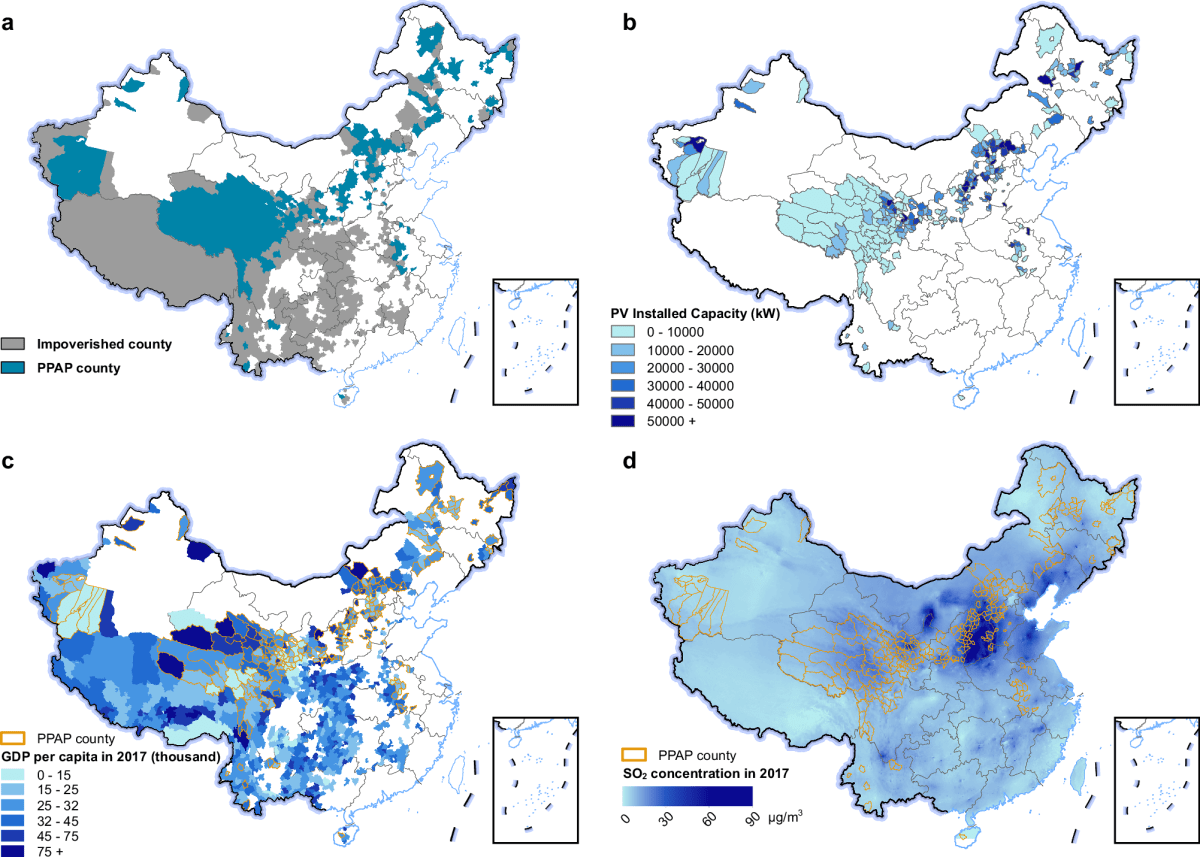
China's Photovoltaic Poverty Alleviation Program transformed struggling communities between 2010 and 2020 by installing small solar panels on rooftops and unused land. Families could use the electricity themselves and sell any extra power back to the national grid at guaranteed prices, creating a steady income stream where little existed before.
The results stunned researchers who analyzed satellite data and economic records from across the country. Counties participating in the program saw their economic output jump by roughly 3%, a significant boost for communities where many families lived on less than a dollar a day. At the same time, harmful sulfur dioxide pollution dropped by about four micrograms per cubic meter, making the air noticeably cleaner and safer to breathe.
The program worked especially well in industrial areas and the poorest regions. Before the solar installations, many rural families burned coal for heating and crop waste for disposal, creating toxic smoke that harmed their health and kept them trapped in poverty. Women and children suffered most, breathing dangerous fumes while spending hours gathering fuel instead of going to school or finding work.
By 2015, China had only just finished bringing electricity to all its communities. Even then, nearly one in five Chinese households faced energy poverty, either unable to afford enough electricity or spending too much of their income on power bills. Rural areas struggled the most, caught between rising energy needs and stagnant incomes.
The Ripple Effect
The solar program broke that cycle in ways traditional poverty programs never could. Direct cash payments helped families survive but didn't solve underlying problems. Industrial projects sometimes created jobs but often made pollution worse. Solar panels did both: they generated clean income while replacing dirty fuels.
The benefits spread beyond individual households. Cleaner air meant healthier workers and fewer sick days. Steady electricity powered small businesses and kept schools and clinics running. Women gained time for education and employment instead of fuel gathering. Communities that once depended on handouts now produced their own power and prosperity.
The program's success offers a blueprint for the 750 million people worldwide still living without reliable electricity, with 80% concentrated in sub Saharan Africa. It proves that fighting poverty and protecting the environment aren't competing goals but can work hand in hand.
China's experience shows that sunshine can be more than just weather. With the right policies, it can become a ladder out of poverty and a path to cleaner air for millions.
More Images
Based on reporting by Google News - Poverty Reduction
This story was written by BrightWire based on verified news reports.
Spread the positivity!
Share this good news with someone who needs it