China Solar Program Lifts Millions, Cuts Air Pollution 4%
A government solar initiative in rural China has helped millions escape poverty while slashing dangerous air pollution by over 4μg/m³. The program proves clean energy can tackle economic hardship and environmental damage at the same time. ##
Millions of people in rural China are breathing cleaner air and earning steady income thanks to a solar power program that's delivering results researchers once thought impossible to achieve together.
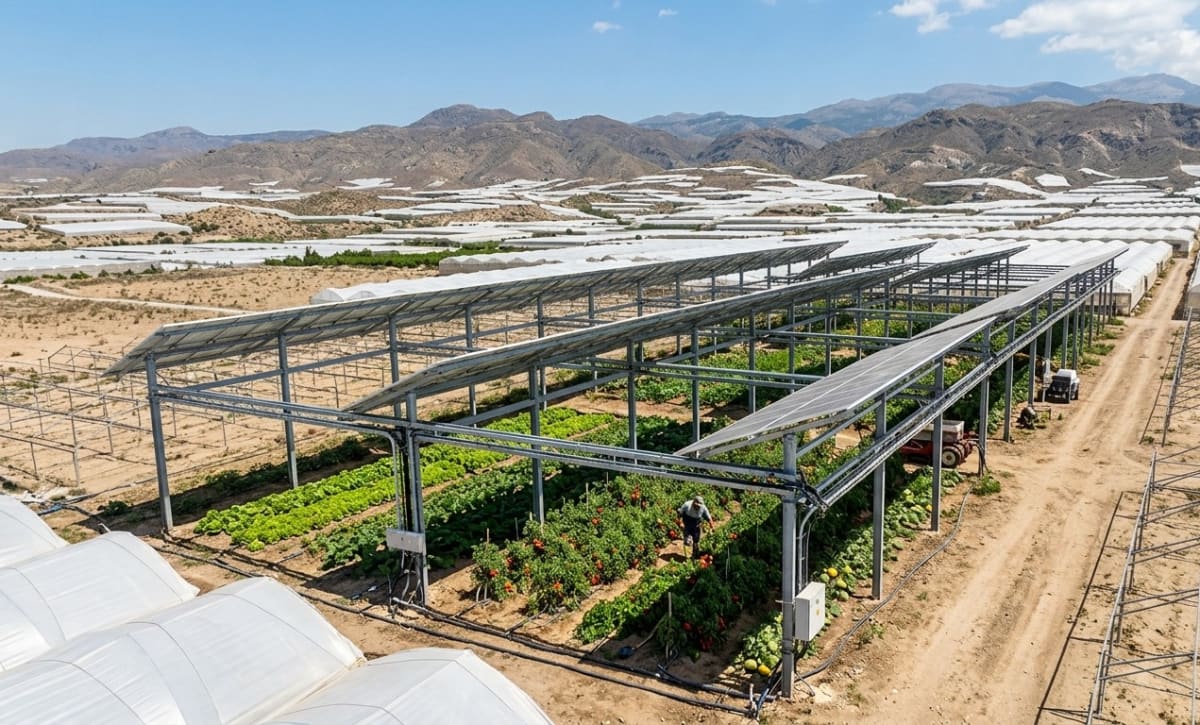
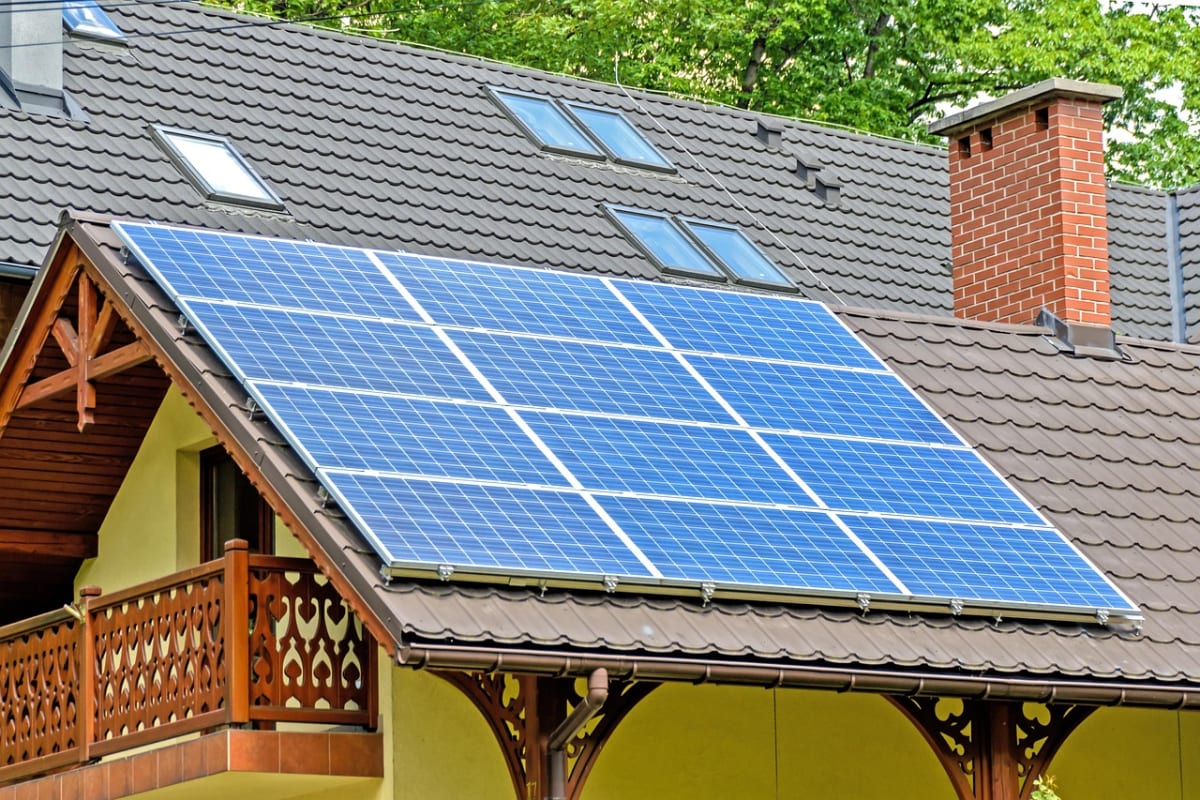
China's Photovoltaic Poverty Alleviation Program started in 2014 with a simple idea: install solar panels in the country's poorest regions so families could generate electricity, use what they needed, and sell the rest back to the national grid. By 2017, the program had spread to 236 counties with thousands of village solar stations humming quietly in fields and on rooftops.
The results just published in Nature Portfolio show the dual payoff. Counties in the program saw their economies grow by around 3% while sulphur dioxide pollution dropped by more than 4μg/m³ between 2010 and 2020. Researchers studied 832 impoverished counties, comparing the 236 in the solar program against those without panels.
The air quality improvements matter deeply because many rural families had been burning coal and crop waste for heating and cooking, filling their homes and villages with dangerous smoke. Solar power gave them a cleaner alternative while putting money in their pockets.
Industrial areas saw even bigger wins. Counties with more factories recorded nearly double the pollution reductions compared to less industrial regions because the solar electricity let factories cut their coal dependence and invest in cleaner technology.
The Ripple Effect
The health implications reach far beyond what satellite monitors can measure. Sulphur dioxide and nitrogen dioxide exposure causes respiratory illnesses including asthma, hitting children and elderly people hardest. When entire communities switch to cleaner energy, hospital visits drop and kids can play outside without wheezing.
The program also showed developing countries a path forward. Places struggling with both grinding poverty and toxic air often feel forced to choose between economic growth and environmental protection. China's solar experiment proves that choice is false.
Researchers noted challenges ahead, particularly around falling government subsidies and maintenance costs that could threaten the program's long term survival. Continued support and smarter funding models will determine whether these gains last.
Still, the blueprint is clear: targeted renewable energy programs can lift communities out of poverty while clearing the air they breathe. For millions of Chinese families, that combination has already changed everything.
##
Based on reporting by Google News - Poverty Reduction
This story was written by BrightWire based on verified news reports.
Spread the positivity!
Share this good news with someone who needs it