China Tests Starlight Navigation for 2030 Jupiter Mission
Chinese scientists successfully tested a breakthrough navigation system that lets spacecraft steer themselves through deep space by reading starlight. The technology brings them closer to their ambitious 2030 Jupiter mission.
Spacecraft may soon navigate the solar system like ancient sailors, using stars as their guide instead of waiting for instructions from Earth.
Chinese researchers just proved it's possible. In January, their Tianhui-7 satellite tested a navigation method called stellar aberration, pinpointing its position to within 3 miles while orbiting Earth. The system works by detecting tiny shifts in starlight as the spacecraft moves, letting it calculate speed and direction all on its own.
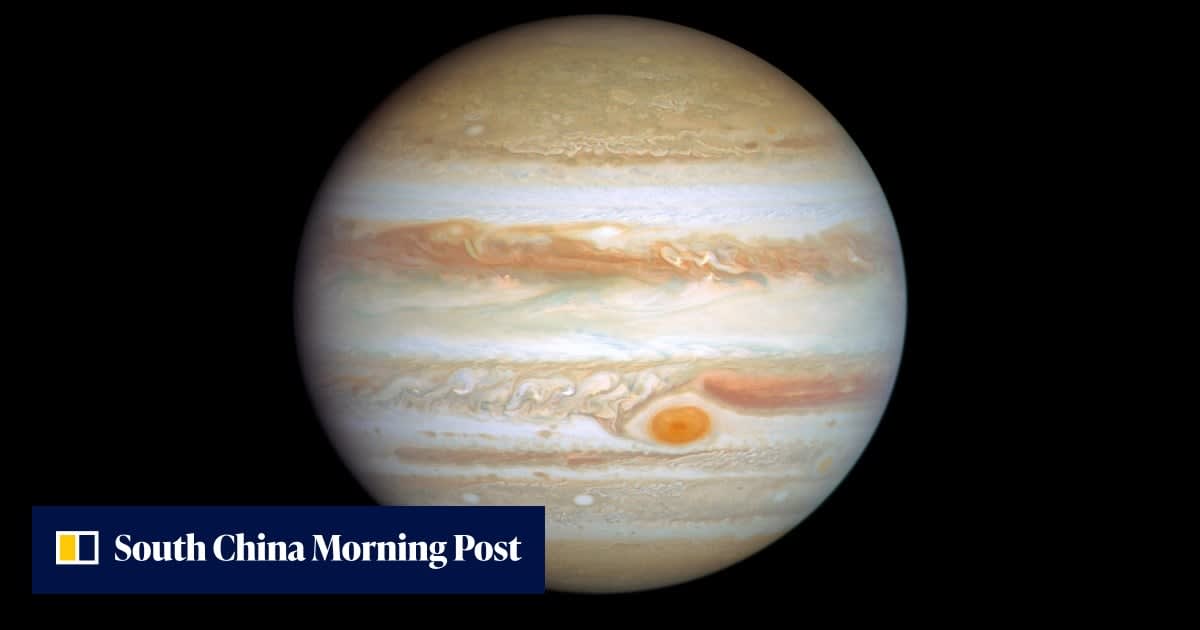
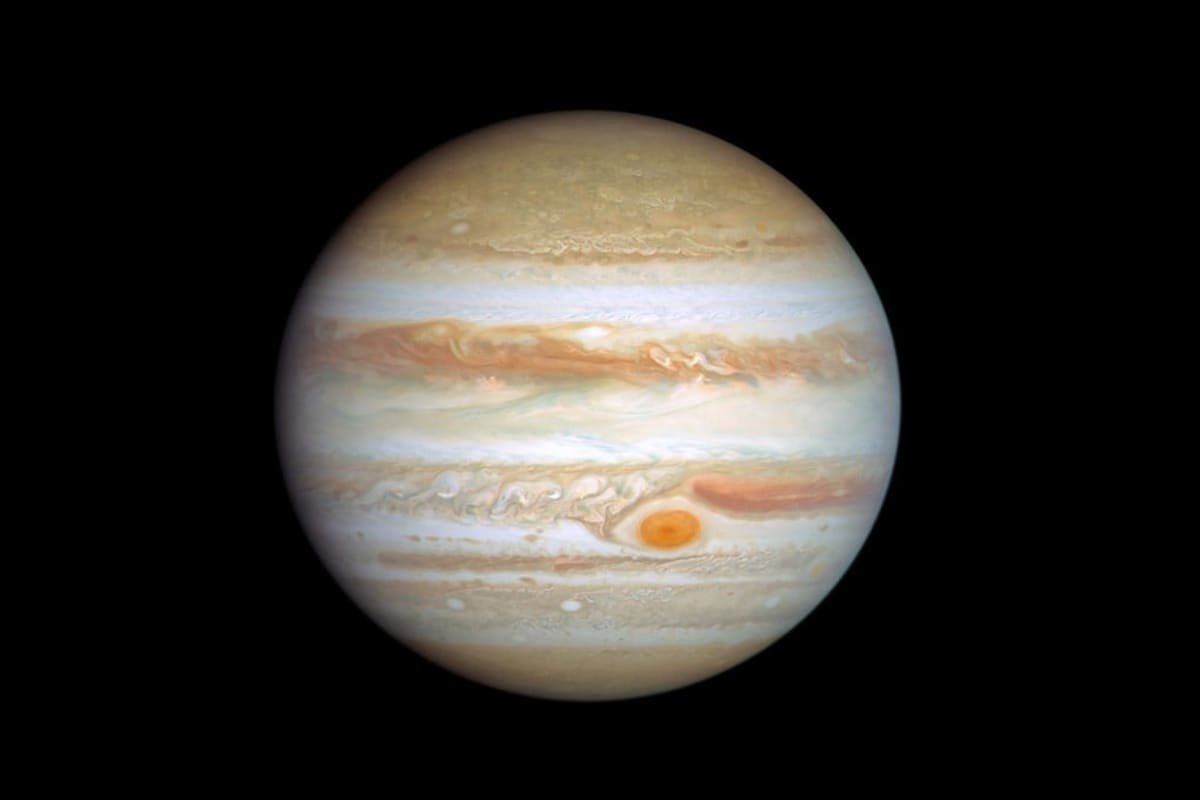
The breakthrough solves a massive challenge for deep space exploration. When Jupiter sits 560 million miles from Earth, radio signals take over 50 minutes to travel one way. That makes real-time control from ground stations impossible.
The China Academy of Space Technology developed the system to support their planned Jupiter mission in 2030. Their satellite matched the accuracy of NASA's ground-based Deep Space Network, which relies on massive antennas to track distant probes.
The concept originally came from NASA-funded research, but Chinese scientists turned the theory into working hardware. Instead of constantly phoning home for directions, future spacecraft can now think for themselves.
The Ripple Effect
This technology opens doors for every nation exploring space. Autonomous navigation means spacecraft can react instantly to hazards, adjust their course on the fly, and explore farther reaches of our solar system without the communication delays that currently limit missions.
The system also reduces the burden on ground control networks. As more countries and private companies launch deep space missions, those networks are becoming crowded. Self-navigating spacecraft free up tracking resources for everyone.
China joins a growing list of nations pushing boundaries in space exploration. Their 2030 Jupiter mission will test whether this starlight navigation works across the vast distances of the outer solar system.
The stars that guided explorers across Earth's oceans for thousands of years are about to do the same across space.
More Images
Based on reporting by South China Morning Post
This story was written by BrightWire based on verified news reports.
Spread the positivity!
Share this good news with someone who needs it