China Tomb Reveals 2M Coins, 115kg Gold After 2,000 Years
A Chinese emperor who ruled for just 27 days was buried with over 10 tons of ancient coins and 115 kilograms of gold. His forgotten tomb just rewrote 2,000 years of history.
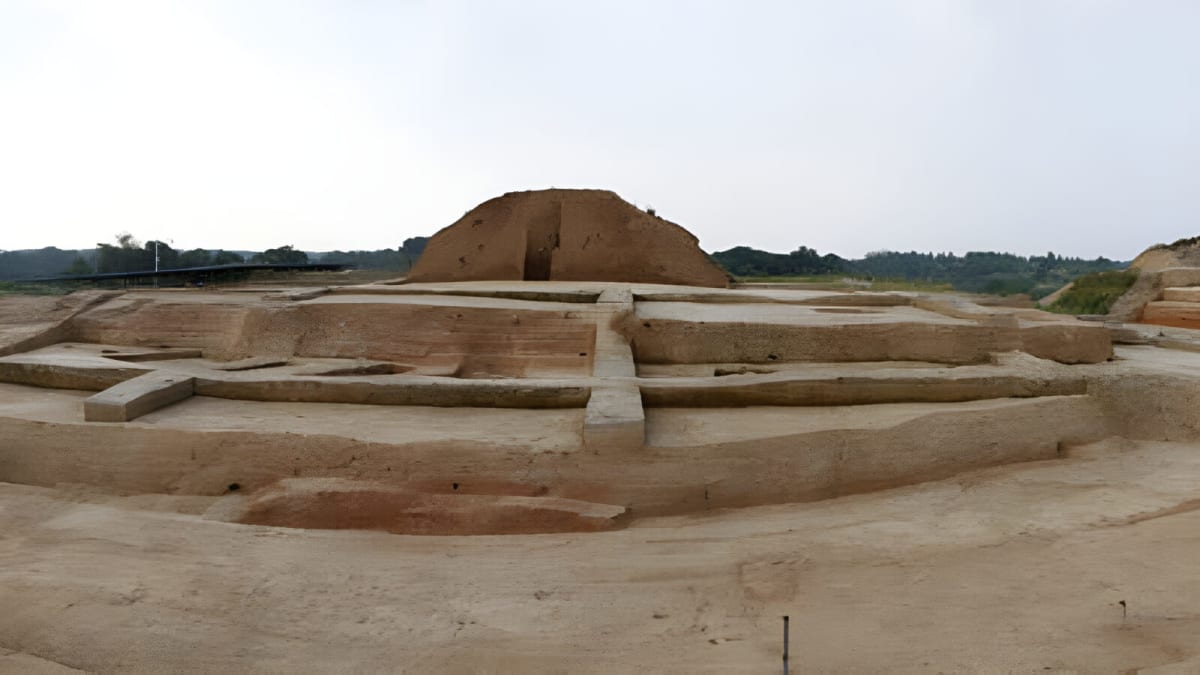
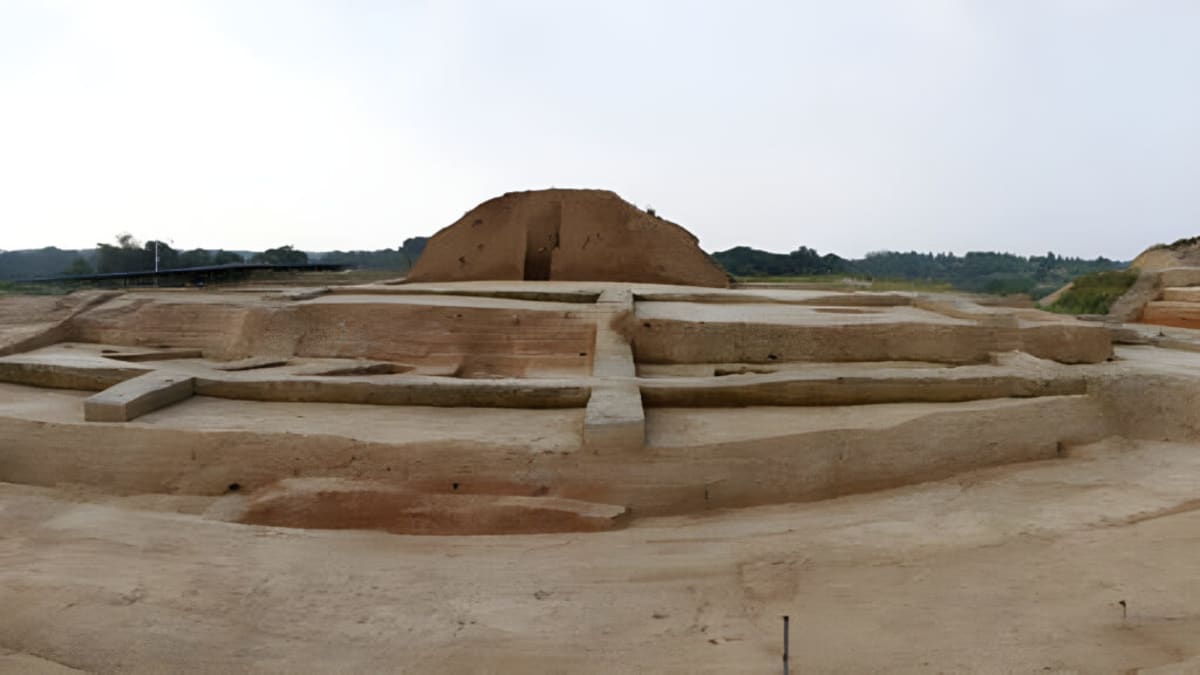
When villagers near Nanchang, China noticed a suspicious tunnel dug into a hillside in 2011, they had no idea they'd stumbled onto one of the richest archaeological discoveries in Chinese history. What started as a looters' attempt became a five-year excavation that would transform a forgotten emperor into one of the most studied figures of the Han Dynasty.
The tomb belonged to Liu He, a man who held China's throne for exactly 27 days in 74 BC before being stripped of power and demoted to commoner status. He was the grandson of one of China's greatest emperors, but his own brief reign earned him barely a footnote in history books. He died in his early thirties, largely forgotten.
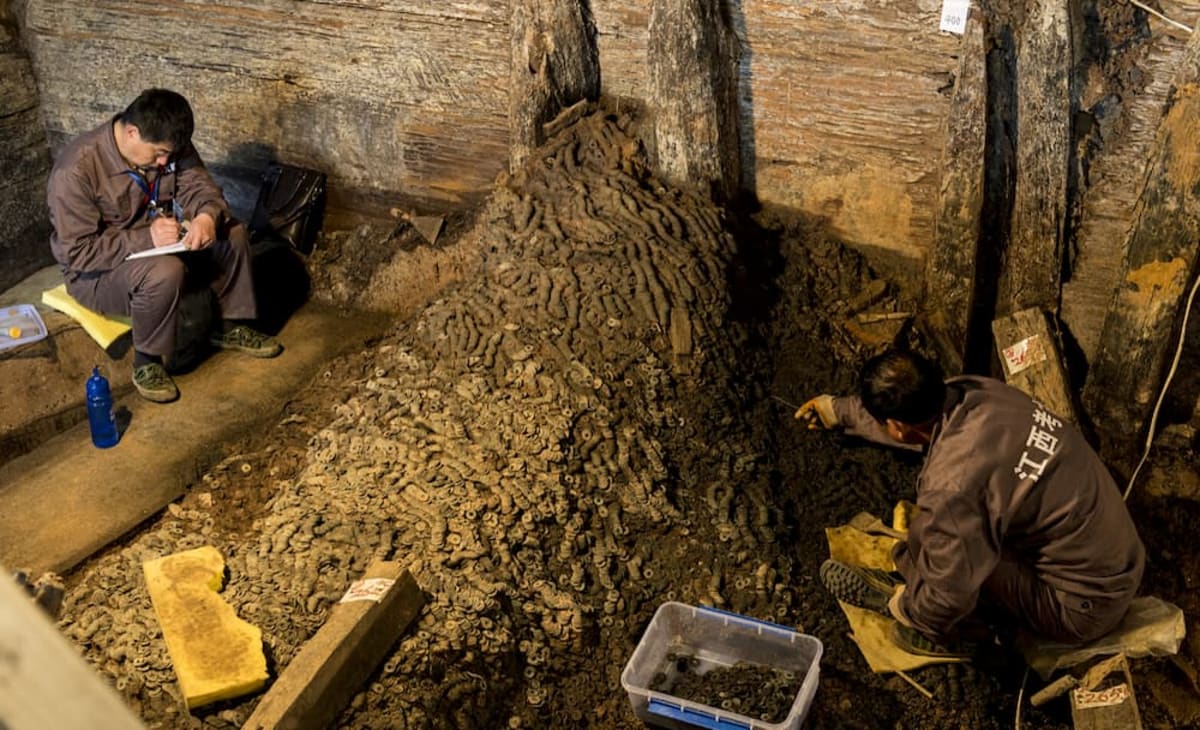
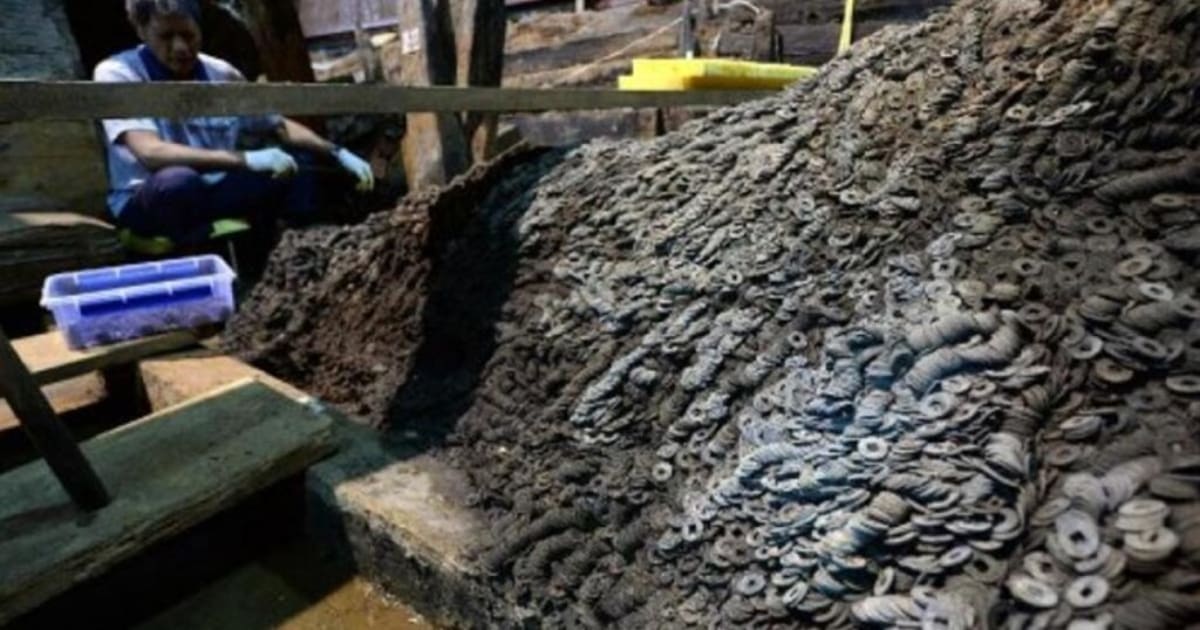
Then archaeologists opened his burial chamber and found treasure piled up like a mountain. The tomb contained over 10 tons of ancient bronze coins, nearly 2 million individual pieces, making it the largest hoard of ancient Chinese currency ever found in a single tomb. Researchers counted every single coin by hand, a process that took one archaeologist six months to complete.
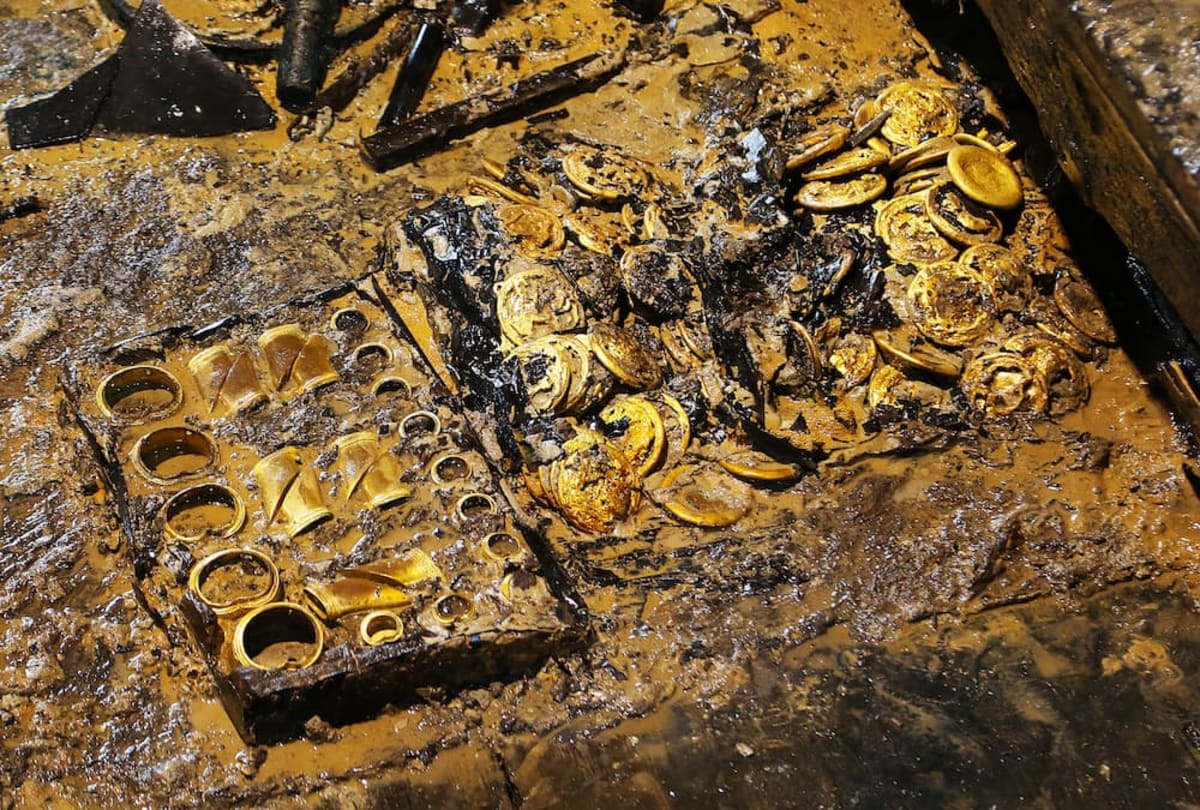
The gold alone rewrote the record books. While early reports inflated the numbers, the Jiangxi Provincial Institute of Cultural Relics and Archaeology confirmed the actual haul at 115 to 120 kilograms spread across 480 objects including hoof-shaped ingots, flat gold plaques, and gold cakes. No other Han Dynasty tomb has ever produced a gold collection this large or varied.
But the real treasures weren't measured in weight. Among the artifacts was a bronze mirror carrying what researchers believe is the oldest surviving portrait of Confucius. Thousands of bamboo strips preserved a version of the Analects that had been considered lost for 1,800 years.
The Ripple Effect
The discovery didn't just unearth ancient treasure. It filled gaps in history that written records left blank, revealing details about Han Dynasty politics, culture, and economics that scholars never knew existed. A museum built on the site now displays over a thousand artifacts, allowing visitors to witness history that nearly stayed buried forever.
Researchers are still studying the tomb's contents today using infrared scanning and hyperspectral imaging to decode faded documents and reveal hidden text. Each new discovery adds another chapter to Liu He's story, proving that even the briefest reigns can leave the longest legacies.
A man dismissed by ancient historians as a failure now stands as one of the most important archaeological finds in China, his story rewritten not by scholars but by the quiet objects he chose to take with him.
More Images
Based on reporting by Google: archaeological discovery
This story was written by BrightWire based on verified news reports.
Spread the positivity!
Share this good news with someone who needs it